
Maltese rock-centaury
Cheirolophus crassifolius, family Asteraceae
In its own language: Widnet il-Baħar
A rare cliffside flower found only in Malta
The Maltese rock-centaury is a flowering plant unique to Malta, growing wild on cliffs and in coastal valleys. Its spoon-shaped, succulent leaves and national significance make it a frequent sight in public plantings, though it remains scarce in the wild.
- Endemic to Malta and found on rocky cliffs
- National symbol and often planted in public gardens
- First described in the 1830s, reclassified in 2000
- Rare in the wild but cultivated for its importance
What does Maltese rock-centaury look like?
The Maltese rock-centaury is a perennial plant with thick, spoon-shaped succulent leaves. Its flowers grow in clusters and are part of the daisy family, though the sources do not describe their colour. The plant is adapted to rocky cliffs and coastal valleys, giving it a sturdy, compact form. It is often seen in public gardens and roundabouts in Malta, but is rare in the wild.
Where does Maltese rock-centaury come from?
This species is found only in Malta, where it grows on cliffs and in coastal valleys, especially on the western side of Malta and the southern cliffs of Gozo. It was first described around 1830 by Stefano Zerafa as the only member of the genus Palaeocyanus. In about 2000, genetic studies led to its reclassification under the genus Cheirolophus. The genus name refers to the hand-shaped tips of the bracts in related species, while 'crassifolius' means thick-leaved.
When and how Maltese rock-centaury blooms
The Maltese rock-centaury blooms on rocky cliffs and coastal valleys, thriving in well-drained, exposed locations. It is cultivated in Malta for its national importance, often planted in public spaces like roundabouts. The plant is propagated for gardens, but remains scarce in its natural habitat due to habitat loss.


How Maltese rock-centaury is used
This flower is valued as a national symbol of Malta and is often grown in public gardens and roundabouts. In the wild, it is rare and protected, but its presence in cultivated spaces helps raise awareness of its importance. Its use is mainly ornamental and emblematic.
Kinds of Maltese rock-centaury
A rare variety called serratifolia, which has serrated leaves, is only known from Gozo. Otherwise, the species is not noted for a wide range of forms.
What Maltese rock-centaury means
The Maltese rock-centaury holds national significance as Malta’s emblematic flower. Its scarcity in the wild has made it a symbol of conservation efforts in Malta. The plant’s unique status and limited range highlight the importance of protecting native flora.
Questions people ask about Maltese rock-centaury
Where does the Maltese rock-centaury come from?
The Maltese rock-centaury is native only to Malta, where it grows on cliffs and in coastal valleys, especially on the western side of Malta and on Gozo.
What does the Maltese rock-centaury look like?
It has thick, spoon-shaped succulent leaves and grows in clusters. The sources do not describe the colour of its flowers, but it belongs to the daisy family and is adapted to rocky, exposed places.
Why is the Maltese rock-centaury important?
It is Malta’s national flower and a symbol of the country’s natural heritage. Its rarity in the wild makes it important for conservation and national identity.
Is the Maltese rock-centaury grown outside the wild?
Yes, it is often cultivated in public gardens and roundabouts in Malta due to its national significance, even though it is rare in its natural habitat.
Good reading and sources
- IUCN Red List of Threatened SpeciesIUCN Red List, Article
- Plants of the World OnlineRoyal Botanic Gardens, Kew, Plant database
- Where it has been recordedGBIF, Plant database
- Sightings and photos by naturalistsiNaturalist, Plant database
- Cheirolophus crassifolius on WikipediaEncyclopedia
- More photos on Wikimedia CommonsPhotos
- Wikidata recordOpen data
The facts on this page come from the Wikipedia article "Cheirolophus crassifolius", written by its contributors and used under the CC BY-SA 4.0 licence, and from its Wikidata record (CC0). Phool rewrote the text in its own words, with AI assistance, and compares every page with the article to make sure no passage is copied. It may be reused under the same CC BY-SA 4.0 licence with a link back.
It may contain mistakes. It is not medical or foraging advice: many flowers are poisonous, and traditional uses are reported, not recommended. If something is wrong, tell us. Last refreshed 2026-10-03.
Others in the family Asteraceae
The whole family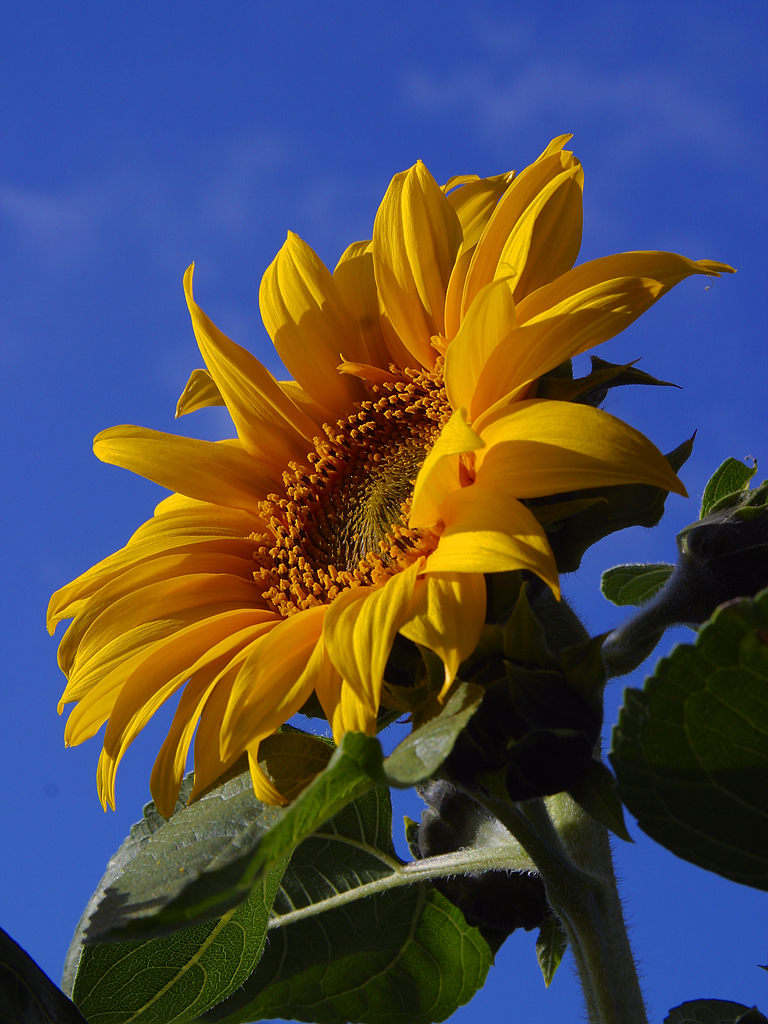 Common sunflowerHelianthus annuus
A tall annual plant grown for its large yellow flower heads and edible seeds
🇨🇦 Canada and 4 more · Wildflower
Common sunflowerHelianthus annuus
A tall annual plant grown for its large yellow flower heads and edible seeds
🇨🇦 Canada and 4 more · Wildflower
 Chrysanthemum菊花
Autumn-blooming flower with thousands of varieties, cherished in East Asia and beyond
🇨🇳 China and 6 more · Wildflower
Chrysanthemum菊花
Autumn-blooming flower with thousands of varieties, cherished in East Asia and beyond
🇨🇳 China and 6 more · Wildflower
 Asteraceae
The vast family of daisies, asters, and sunflowers with star-like flower heads
Asteraceae · Wildflower
Asteraceae
The vast family of daisies, asters, and sunflowers with star-like flower heads
Asteraceae · Wildflower
 DandelionTaraxacum
A yellow-flowered perennial found in fields, lawns, and gardens worldwide
Taraxacum · Wildflower
DandelionTaraxacum
A yellow-flowered perennial found in fields, lawns, and gardens worldwide
Taraxacum · Wildflower
More from Malta
All the flowers of Malta Indian fig opuntiaOpuntia ficus-indica
A large, spiny cactus grown for its sweet fruit and edible pads
🇲🇽 Mexico and 7 more · Wildflower
Indian fig opuntiaOpuntia ficus-indica
A large, spiny cactus grown for its sweet fruit and edible pads
🇲🇽 Mexico and 7 more · Wildflower
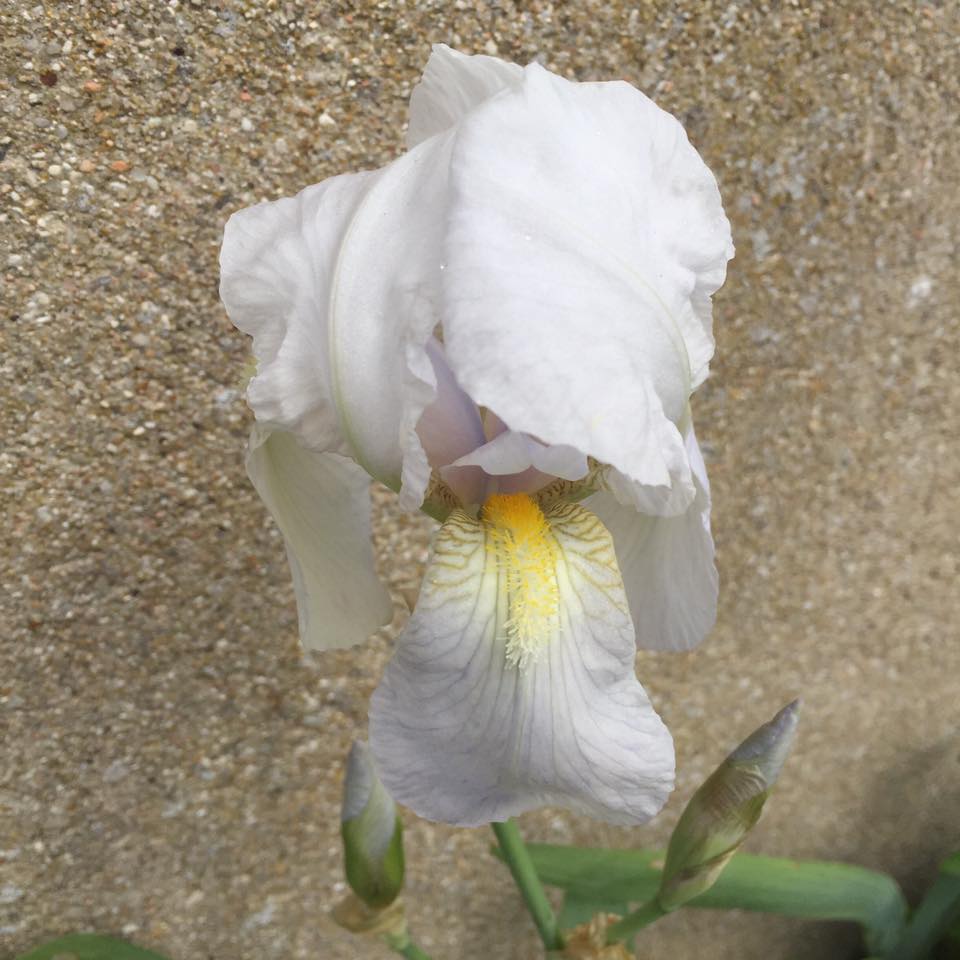 Iris florentina
A white, violet-scented iris grown for orris root and as a grave flower
🇮🇹 Italy and 7 more · Wildflower
Iris florentina
A white, violet-scented iris grown for orris root and as a grave flower
🇮🇹 Italy and 7 more · Wildflower
 Ixora
Tropical evergreen shrubs with clusters of small, bright flowers
🇮🇳 India and 4 more · Garden flower
Ixora
Tropical evergreen shrubs with clusters of small, bright flowers
🇮🇳 India and 4 more · Garden flower
 Wild tulipTulipa sylvestris
A wild yellow tulip with a light scent, found from Portugal to western China
🇵🇹 Portugal and 6 more · Wildflower
Wild tulipTulipa sylvestris
A wild yellow tulip with a light scent, found from Portugal to western China
🇵🇹 Portugal and 6 more · Wildflower