
Dotted hawthorn
Crataegus punctata, family Rosaceae
A thorny North American hawthorn with pale bark and colourful fruit
Dotted hawthorn is a spiny shrub or small tree found across eastern Canada and the eastern United States. It is known for its pale bark and fruit that ripens in shades of red, yellow, or burgundy, and its flowers have a range of anther colours. People notice its bark in winter, and its fruit and flowers add interest through the seasons.
- Fruit ripens to red, yellow, burgundy, or yellow with a red area
- Pale grey bark is especially noticeable in winter
- Grows as a thorny shrub or small tree up to 7 meters tall
- Native to eastern Canada and the eastern United States
What does Dotted hawthorn look like?
Dotted hawthorn grows as a dense, thorn-covered shrub or a small tree, reaching up to 7 meters tall. Its bark is pale grey, which stands out especially in winter. The flowers have three to five styles and about 20 stamens, with anthers that can be white, pink, red, or deep purple. Its fruit is a small pome, with three to five pits inside, and matures to red, yellow, burgundy, or yellow with a reddish area.
Where does Dotted hawthorn come from?
This hawthorn is native to the eastern parts of Canada and the United States. It grows wild in these regions, where it is part of the local landscape. The name 'white haw' comes from its light-coloured bark. While sometimes mentioned as a state flower for Missouri, official records and state agencies attribute that title to a different hawthorn species.
When and how Dotted hawthorn blooms
Dotted hawthorn blooms and sets fruit as part of its natural cycle in its home regions. The plant is diploid and reproduces sexually, at least in Ontario, Canada, unlike some other North American hawthorns that reproduce without fertilization. It grows from seed and thrives in the climates of eastern North America.


How Dotted hawthorn is used
There are no specific traditions or widespread uses for dotted hawthorn noted in the sources. Its main value is as a native plant in wild landscapes, where its flowers and fruit provide seasonal interest and its thorns offer protection.
Kinds of Dotted hawthorn
The fruit of dotted hawthorn comes in several colours, including red, yellow, burgundy, and yellow with a reddish blush. The anthers of the flowers also vary in colour, from white and pink to red and deep purple. This species is diploid, while many other North American hawthorns are polyploid.
What Dotted hawthorn means
Some sources have named dotted hawthorn as Missouri's state flower, but official documents identify a different species. Its pale bark is a notable feature in winter, and it is recognized for its colourful fruit. There are no major cultural or symbolic associations recorded in the sources.
Questions people ask about Dotted hawthorn
Where does dotted hawthorn grow naturally?
Dotted hawthorn is native to the eastern United States and eastern Canada, where it grows wild as part of the local flora.
What does the fruit of dotted hawthorn look like?
The fruit is a small pome that can be red, yellow, burgundy, or yellow with a reddish area, and contains three to five pits.
Is dotted hawthorn the state flower of Missouri?
Although some sources mention it, official records and the Missouri Department of Conservation state that a different hawthorn species holds that title.
What is distinctive about the bark of dotted hawthorn?
Its bark is pale grey, making it stand out in the winter landscape when leaves are gone.
Does dotted hawthorn have any special uses?
The sources do not mention any particular uses or traditions for this species; it is mainly valued as a native wild plant.
Good reading and sources
- IUCN Red List of Threatened SpeciesIUCN Red List, Article
- USDA Plants DatabaseUS Department of Agriculture, Article
- Plants of the World OnlineRoyal Botanic Gardens, Kew, Plant database
- Where it has been recordedGBIF, Plant database
- Sightings and photos by naturalistsiNaturalist, Plant database
- Crataegus punctata on WikipediaEncyclopedia
- More photos on Wikimedia CommonsPhotos
- Wikidata recordOpen data
The facts on this page come from the Wikipedia article "Crataegus punctata", written by its contributors and used under the CC BY-SA 4.0 licence, and from its Wikidata record (CC0). Phool rewrote the text in its own words, with AI assistance, and compares every page with the article to make sure no passage is copied. It may be reused under the same CC BY-SA 4.0 licence with a link back.
It may contain mistakes. It is not medical or foraging advice: many flowers are poisonous, and traditional uses are reported, not recommended. If something is wrong, tell us. Last refreshed 2026-10-03.
Others in the family Rosaceae
The whole family RoseRosa
Woody perennial plants with showy, often fragrant flowers in many colours
Rosa · Wildflower
RoseRosa
Woody perennial plants with showy, often fragrant flowers in many colours
Rosa · Wildflower
 PeachPrunus persica
A flowering fruit tree from China, grown for its pink blossoms and sweet fruit
🇨🇳 China and 7 more · Flowering tree
PeachPrunus persica
A flowering fruit tree from China, grown for its pink blossoms and sweet fruit
🇨🇳 China and 7 more · Flowering tree
 AlmondPrunus amygdalus
A Mediterranean tree grown for its fragrant spring flowers and edible seeds
🇮🇷 Iran and 6 more · Flowering tree
AlmondPrunus amygdalus
A Mediterranean tree grown for its fragrant spring flowers and edible seeds
🇮🇷 Iran and 6 more · Flowering tree
 ApricotPrunus armeniaca
A small fruit tree with early white to pink blossoms and golden-orange fruit
🇨🇳 China and 6 more · Flowering tree
ApricotPrunus armeniaca
A small fruit tree with early white to pink blossoms and golden-orange fruit
🇨🇳 China and 6 more · Flowering tree
More from Canada
All the flowers of Canada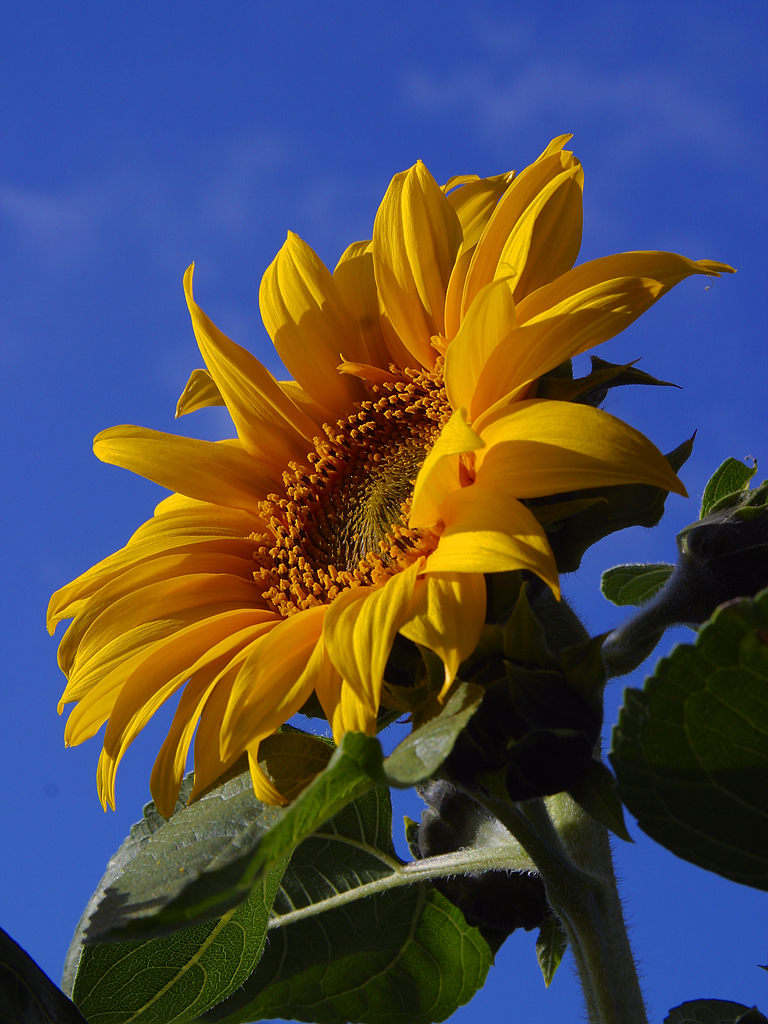 Common sunflowerHelianthus annuus
A tall annual plant grown for its large yellow flower heads and edible seeds
🇨🇦 Canada and 4 more · Wildflower
Common sunflowerHelianthus annuus
A tall annual plant grown for its large yellow flower heads and edible seeds
🇨🇦 Canada and 4 more · Wildflower
 BirchBetula
Slender trees with papery bark found across the northern world
🇨🇳 China and 7 more · Wildflower
BirchBetula
Slender trees with papery bark found across the northern world
🇨🇳 China and 7 more · Wildflower
 CactusCactaceae
Succulent plants with spines, native to the Americas
🇲🇽 Mexico and 7 more · Wildflower
CactusCactaceae
Succulent plants with spines, native to the Americas
🇲🇽 Mexico and 7 more · Wildflower
 TulipTulipa
Spring-blooming bulbs with showy, cup-shaped flowers in many colours
🇳🇱 Netherlands and 7 more · Wildflower
TulipTulipa
Spring-blooming bulbs with showy, cup-shaped flowers in many colours
🇳🇱 Netherlands and 7 more · Wildflower