![春蕙 Cymbidium faberi [香港沙田洋蘭展 Shatin Orchid Show, Hong Kong]](https://upload.wikimedia.org/wikipedia/commons/d/d5/%E6%98%A5%E8%95%99_Cymbidium_faberi_-%E9%A6%99%E6%B8%AF%E6%B2%99%E7%94%B0%E6%B4%8B%E8%98%AD%E5%B1%95_Shatin_Orchid_Show%2C_Hong_Kong-_%2812304546216%29.jpg)
Cymbidium faberi
A wild orchid with pale green, yellow, or purple-tinged flowers from Asia
Cymbidium faberi is a wild orchid that grows in high-altitude grasslands and open woods from Nepal and Myanmar through Tibet and China to Taiwan. Its flowers, about 5–7 cm wide, appear in soft green, yellow, or with hints of purple. The plant has long, narrow leaves and forms pseudobulbs underground.
- Native to high mountains from Nepal to Taiwan
- Flowers are pale green, yellow, or tinged with purple
- Grows at 1500–3000 meters elevation
- Leaves can reach up to 90 cm long
What does Cymbidium faberi look like?
Cymbidium faberi is a type of orchid that forms swollen underground stems called pseudobulbs. Its leaves are long and slender, reaching up to 90 cm in length but only about a centimeter wide. The flowers, which open to 5–7 cm across, come in soft shades of green or yellow, sometimes showing a touch of purple. The sepals are shaped between oblong and narrow spoon-like, while the petals are slim and pointed.
Where does Cymbidium faberi come from?
This orchid is native to the highlands stretching from Nepal and Myanmar, through Tibet and China, to Taiwan. It grows wild in open, sunny meadows and beneath scattered trees at elevations between 1500 and 3000 meters. The species is part of the Cymbidium group, which includes many Asian orchids. Its spread follows the mountain ranges and grasslands of the eastern Himalayas and southeastern China.
When and how Cymbidium faberi blooms
Cymbidium faberi grows from underground storage organs called pseudobulbs. It thrives in bright, open places with well-drained soil, often at higher elevations. The plant sends up long, grass-like leaves, and its flowers appear on upright stems. It can be found in the wild rather than as a common garden plant.
![綠蕙 Cymbidium faberi [香港沙田洋蘭展 Shatin Orchid Show, Hong Kong]](https://upload.wikimedia.org/wikipedia/commons/2/23/%E7%B6%A0%E8%95%99_Cymbidium_faberi_-%E9%A6%99%E6%B8%AF%E6%B2%99%E7%94%B0%E6%B4%8B%E8%98%AD%E5%B1%95_Shatin_Orchid_Show%2C_Hong_Kong-_%2816945121795%29_%28cropped%29.jpg)
How Cymbidium faberi is used
There are no specific uses for Cymbidium faberi mentioned in the sources. It is mainly known as a wild orchid found in its native habitats, rather than for cultivation, decoration, or traditional uses.
Kinds of Cymbidium faberi
Cymbidium faberi belongs to the larger Cymbidium genus, which contains many species and cultivated varieties. This particular species is recognized for its pale flower colors and its preference for high-altitude environments. Other Cymbidium orchids may differ in flower color, size, and growing conditions.
What Cymbidium faberi means
No particular cultural or symbolic meanings are given for Cymbidium faberi in the sources. While Cymbidium orchids are popular in some Asian traditions, this species is primarily noted for its presence in the wild across the Himalayan region and parts of China and Taiwan.
Questions people ask about Cymbidium faberi
Where does Cymbidium faberi come from?
Cymbidium faberi is native to high-altitude regions from Nepal and Myanmar through Tibet and China to Taiwan, growing in grasslands and open woods.
What does Cymbidium faberi look like?
It has long, narrow leaves and produces flowers about 5–7 cm wide in pale green, yellow, or with a hint of purple. The plant forms pseudobulbs underground.
How is Cymbidium faberi different from other orchids?
This species prefers high mountain areas and has flowers in soft, muted colors. It is not widely grown in gardens and is mainly found in the wild.
Does Cymbidium faberi have any special uses or meanings?
The sources do not mention any particular uses or symbolic meanings for this orchid. It is mainly valued as a wild species.
Good reading and sources
- Plants of the World OnlineRoyal Botanic Gardens, Kew, Plant database
- Where it has been recordedGBIF, Plant database
- Sightings and photos by naturalistsiNaturalist, Plant database
- Cymbidium faberi on WikipediaEncyclopedia
- More photos on Wikimedia CommonsPhotos
- Wikidata recordOpen data
The facts on this page come from the Wikipedia article "Cymbidium faberi", written by its contributors and used under the CC BY-SA 4.0 licence, and from its Wikidata record (CC0). Phool rewrote the text in its own words, with AI assistance, and compares every page with the article to make sure no passage is copied. It may be reused under the same CC BY-SA 4.0 licence with a link back.
It may contain mistakes. It is not medical or foraging advice: many flowers are poisonous, and traditional uses are reported, not recommended. If something is wrong, tell us. Last refreshed 2026-10-03.
Others in the family Orchidaceae
The whole family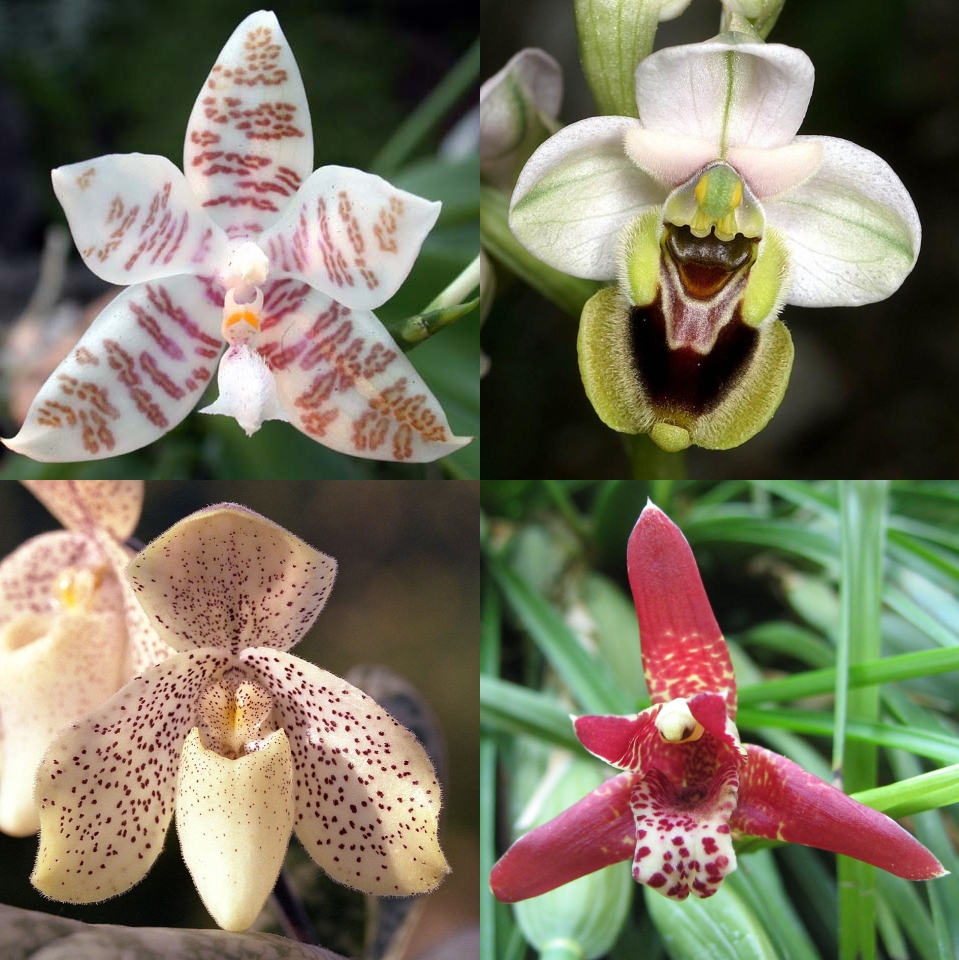 OrchidOrchidaceae
A vast family of colourful, often fragrant flowers found almost everywhere on earth
Orchidaceae · Wildflower
OrchidOrchidaceae
A vast family of colourful, often fragrant flowers found almost everywhere on earth
Orchidaceae · Wildflower
 Vanilla
Climbing orchids with pods used for the world’s most popular flavor
🇲🇽 Mexico and 7 more · Wildflower
Vanilla
Climbing orchids with pods used for the world’s most popular flavor
🇲🇽 Mexico and 7 more · Wildflower
 Orchis
A group of wild orchids with tuberous roots from Europe, North Africa and Asia
🇹🇷 Turkey and 7 more · Wildflower
Orchis
A group of wild orchids with tuberous roots from Europe, North Africa and Asia
🇹🇷 Turkey and 7 more · Wildflower
 Waling-walingVanda sanderiana
A rare orchid known as the 'Queen of Philippine flowers'
🇵🇭 Philippines · Orchid
Waling-walingVanda sanderiana
A rare orchid known as the 'Queen of Philippine flowers'
🇵🇭 Philippines · Orchid
More from China
All the flowers of China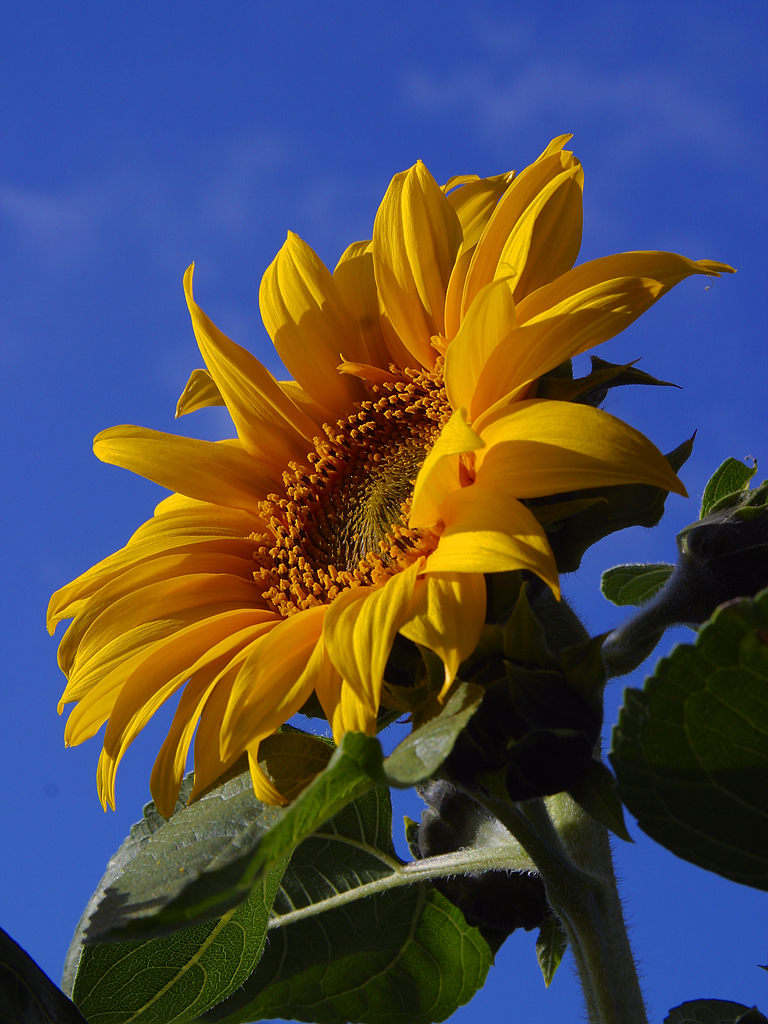 Common sunflowerHelianthus annuus
A tall annual plant grown for its large yellow flower heads and edible seeds
🇨🇦 Canada and 4 more · Wildflower
Common sunflowerHelianthus annuus
A tall annual plant grown for its large yellow flower heads and edible seeds
🇨🇦 Canada and 4 more · Wildflower
 BirchBetula
Slender trees with papery bark found across the northern world
🇨🇳 China and 7 more · Wildflower
BirchBetula
Slender trees with papery bark found across the northern world
🇨🇳 China and 7 more · Wildflower
 FennelFoeniculum vulgare
A tall, aromatic herb with feathery leaves and yellow umbels, used for food and spice
🇨🇳 China and 7 more · Herb or useful flower
FennelFoeniculum vulgare
A tall, aromatic herb with feathery leaves and yellow umbels, used for food and spice
🇨🇳 China and 7 more · Herb or useful flower
 Common flaxLinum usitatissimum
The slender blue-flowered plant grown for linen and linseed
🇨🇳 China and 7 more · Wildflower
Common flaxLinum usitatissimum
The slender blue-flowered plant grown for linen and linseed
🇨🇳 China and 7 more · Wildflower