
Disocactus ackermannii
A scarlet-flowered epiphytic cactus from southern Mexico's cloud forests
Disocactus ackermannii is an epiphytic cactus with striking red, funnel-shaped flowers and long, flattened stems. Native to cloud forests in southern Mexico, it grows on trees at high elevations and is sometimes confused in cultivation with similar hybrids.
- Native to cloud forests in southern Mexico
- Produces large, scarlet funnel-shaped flowers
- Grows as an epiphyte on trees at high elevations
- Has two recognized botanical varieties
- Awarded for its value as a garden plant
What does Disocactus ackermannii look like?
This cactus grows with long, flattened stems that can reach about a meter in length. The stems are green, with wavy edges and branch from the base, arching downward. Its flowers are large, funnel-shaped, and bright scarlet with greenish throats. The floral parts include red filaments and styles, pale rose anthers, and a purplish stigma. After flowering, it produces fruits that turn from green to brownish red.
Where does Disocactus ackermannii come from?
Disocactus ackermannii is native to the cloud forests of southern Mexico, found in regions like Veracruz, Oaxaca, Puebla, and Chiapas. It grows at elevations between 1,800 and 2,500 meters, often perched on trees. The plant was first described in 1829 and has had several scientific names over time before being placed in the genus Disocactus in 1991.
When and how Disocactus ackermannii blooms
This cactus blooms in the wild by growing on trees in humid, high-altitude forests. In gardens, it is grown for its showy flowers and trailing stems. It is often started from cuttings and prefers conditions that mimic its native cloud forest habitat, such as filtered light and good air circulation.

How Disocactus ackermannii is used
Disocactus ackermannii is mainly grown as an ornamental plant, valued for its dramatic flowers and trailing growth. It is popular in hanging baskets and collections of epiphytic cacti. Occasionally, it is confused with similar hybrids in cultivation, but true plants are prized by collectors.
Kinds of Disocactus ackermannii
There are two recognized varieties: var. ackermannii, which has longer stems and flower parts, and var. conzattianum, which is more compact. The species has also been known by several other scientific names in the past, reflecting its complex taxonomic history.
What Disocactus ackermannii means
This cactus has been recognized by horticultural societies for its ornamental value. It has received a major gardening award and is appreciated for its vivid flowers. In cultivation, it is sometimes mistaken for hybrids, but true specimens are sought after by enthusiasts.
Questions people ask about Disocactus ackermannii
Where does Disocactus ackermannii come from?
It is native to the cloud forests of southern Mexico, especially in the regions of Veracruz, Oaxaca, Puebla, and Chiapas, growing at elevations between 1,800 and 2,500 meters.
What does the flower of Disocactus ackermannii look like?
The plant produces large, bright red, funnel-shaped flowers with greenish throats. The flowers can be up to 15 cm across and are followed by green to reddish fruits.
How is Disocactus ackermannii used?
It is mainly grown as an ornamental plant for its striking flowers and trailing stems, often displayed in hanging baskets or as part of cactus collections.
Are there different types of Disocactus ackermannii?
Yes, there are two main varieties: one with longer stems and flower parts, and a more compact form with shorter stems and flowers.
Has Disocactus ackermannii received any recognition?
Yes, it has been awarded for its ornamental value by horticultural societies, highlighting its popularity among gardeners.
Good reading and sources
- Disocactus ackermanniiRoyal Horticultural Society, Article
- IUCN Red List of Threatened SpeciesIUCN Red List, Article
- Plants of the World OnlineRoyal Botanic Gardens, Kew, Plant database
- Where it has been recordedGBIF, Plant database
- Sightings and photos by naturalistsiNaturalist, Plant database
- Disocactus ackermannii on WikipediaEncyclopedia
- More photos on Wikimedia CommonsPhotos
- Wikidata recordOpen data
The facts on this page come from the Wikipedia article "Disocactus ackermannii", written by its contributors and used under the CC BY-SA 4.0 licence, and from its Wikidata record (CC0). Phool rewrote the text in its own words, with AI assistance, and compares every page with the article to make sure no passage is copied. It may be reused under the same CC BY-SA 4.0 licence with a link back.
It may contain mistakes. It is not medical or foraging advice: many flowers are poisonous, and traditional uses are reported, not recommended. If something is wrong, tell us. Last refreshed 2026-10-03.
Others in the family Cactaceae
The whole family Prickly pearOpuntia
Cactus with flat pads and edible fruit, native to the Americas
🇲🇽 Mexico and 7 more · Wildflower
Indian fig opuntiaOpuntia ficus-indica
A large, spiny cactus grown for its sweet fruit and edible pads
🇲🇽 Mexico and 7 more · Wildflower
Prickly pearOpuntia
Cactus with flat pads and edible fruit, native to the Americas
🇲🇽 Mexico and 7 more · Wildflower
Indian fig opuntiaOpuntia ficus-indica
A large, spiny cactus grown for its sweet fruit and edible pads
🇲🇽 Mexico and 7 more · Wildflower
 Mammillaria
A diverse group of small, rounded cacti with funnel-shaped flowers
🇲🇽 Mexico and 5 more · Wildflower
Mammillaria
A diverse group of small, rounded cacti with funnel-shaped flowers
🇲🇽 Mexico and 5 more · Wildflower
 Echinopsis
South American cacti with large, showy flowers and spiny stems
🇦🇷 Argentina and 6 more · Wildflower
Echinopsis
South American cacti with large, showy flowers and spiny stems
🇦🇷 Argentina and 6 more · Wildflower
More from Mexico
All the flowers of Mexico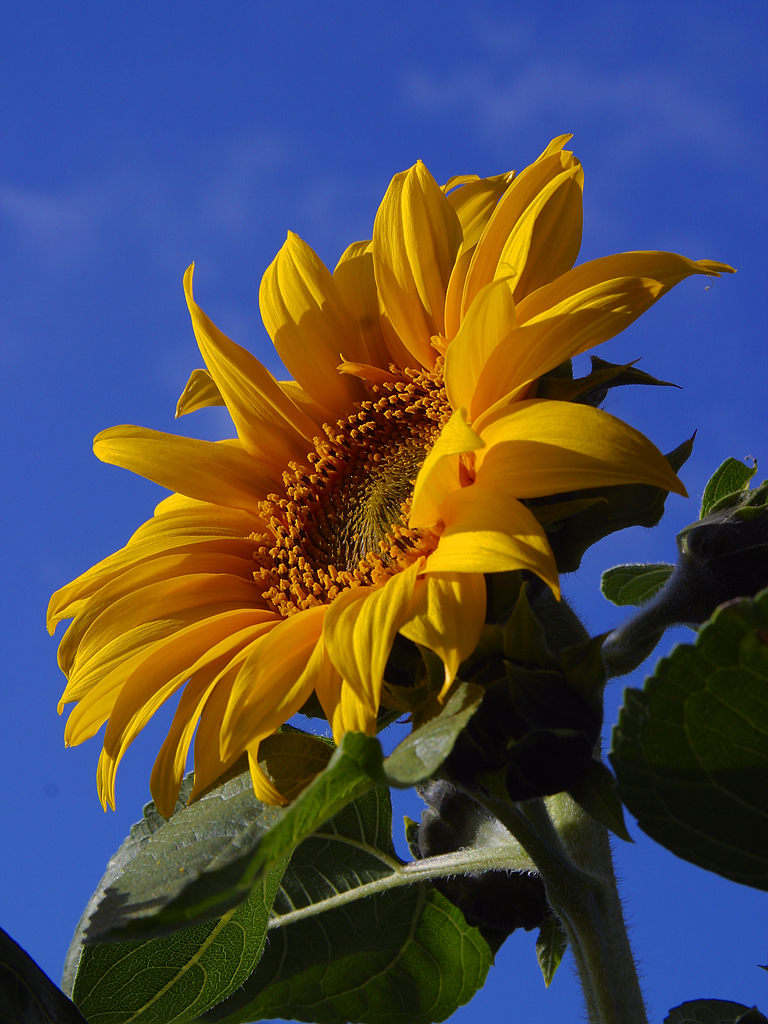 Common sunflowerHelianthus annuus
A tall annual plant grown for its large yellow flower heads and edible seeds
🇨🇦 Canada and 4 more · Wildflower
Common sunflowerHelianthus annuus
A tall annual plant grown for its large yellow flower heads and edible seeds
🇨🇦 Canada and 4 more · Wildflower
 CactusCactaceae
Succulent plants with spines, native to the Americas
🇲🇽 Mexico and 7 more · Wildflower
CactusCactaceae
Succulent plants with spines, native to the Americas
🇲🇽 Mexico and 7 more · Wildflower
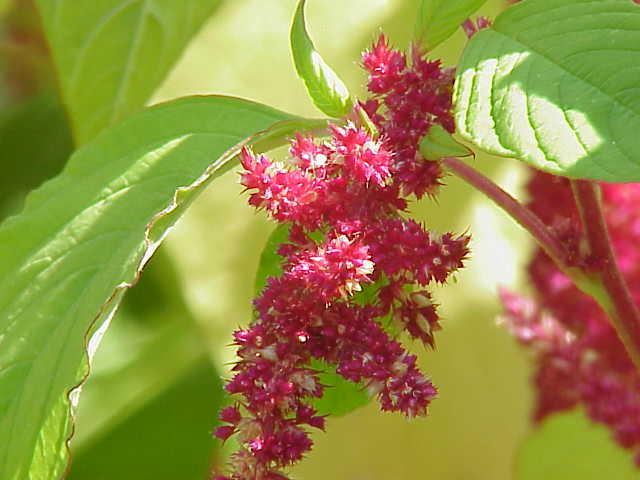 AmaranthAmaranthus
A tall, colourful plant grown for its flowers, leaves and edible seeds
🇲🇽 Mexico and 7 more · Wildflower
AmaranthAmaranthus
A tall, colourful plant grown for its flowers, leaves and edible seeds
🇲🇽 Mexico and 7 more · Wildflower
 HawthornCrataegus
A thorny shrub or tree with white or pink spring flowers and small edible fruits
🇮🇪 Ireland and 7 more · Wildflower
HawthornCrataegus
A thorny shrub or tree with white or pink spring flowers and small edible fruits
🇮🇪 Ireland and 7 more · Wildflower