
Mammillaria
A diverse group of small, rounded cacti with funnel-shaped flowers
Mammillaria is a large genus of cacti, with most species native to Mexico and some found in the southwestern United States, Central America, and northern South America. These small, tubercled plants often form clusters and produce funnel-shaped flowers in shades from white and yellow to pink and red. Some species are popular with collectors, while others are rare and threatened in the wild.
- Mammillaria includes nearly 200 species of small, tubercled cacti
- Most species are native to Mexico, with some in the US and Central America
- Flowers are funnel-shaped and come in white, yellow, pink, or red
- Some species produce edible fruit
- Many species are threatened in the wild and protected by trade laws
What does Mammillaria look like?
Mammillaria cacti are generally small, with stems that can be round or slightly elongated, ranging from about 1 to 20 centimeters wide and up to 40 centimeters tall. The surface is covered in prominent tubercles (rounded projections), each with a split areole: the top part bears spines, while the lower part may have bristles or wool and is where flowers and fruit appear. Flowers are funnel-shaped and come in a range of colors, including white, yellow, pink, and red, often with a darker line down the middle of each petal. The fruit is club-shaped or elongated and can be red, white, magenta, yellow, or green.
Where does Mammillaria come from?
Most Mammillaria species grow naturally in Mexico, but the genus also extends into the southwestern United States, parts of Central America, and reaches as far south as Colombia and Venezuela. The name comes from the Latin word for 'nipple,' referencing the tubercles. Carl Linnaeus first described a species in 1753, and the genus was formally named in 1812. Over time, many similar genera have been merged into Mammillaria, while others have been separated out as distinct. The genus has a long history of taxonomic changes due to its diversity and the many local variations among species.
When and how Mammillaria blooms
Mammillaria cacti flower from the lower part of their tubercles, producing small, funnel-shaped blooms. They are grown from seed or cuttings and are popular among cactus enthusiasts for their varied appearance and manageable size. While many species are easy to cultivate, some are more demanding. The plants prefer well-drained soils and are suited to dry, sunny conditions. Their spines and flower colors can vary greatly, even within a single species.


How Mammillaria is used
People grow Mammillaria mainly as ornamental plants, both in gardens and in pots. Some species produce edible fruit, which is harvested when it comes away easily from the plant. In areas where wild populations are threatened, collectors are encouraged to buy nursery-grown specimens. A few species serve as regional emblems, and the plants are valued for their unique shapes and flowers.
Kinds of Mammillaria
There are about 170 to 190 recognized Mammillaria species, with many subspecies and local forms. The genus has seen frequent reclassification, with some former species now placed in other genera like Cochemiea. Differences in flower color, spine arrangement, and growth habit are common. Some species are widespread, while others are limited to small areas and are considered critically endangered.
What Mammillaria means
Mammillaria holds a special place among cactus collectors due to its diversity and attractive flowers. The genus is protected under international trade regulations (CITES Appendix II) to prevent overharvesting. Conservation status varies: some species are common, while others are at risk due to habitat loss and collection. The plants are sometimes used as local symbols, and their edible fruit is a traditional treat in some regions.
Questions people ask about Mammillaria
Where does Mammillaria come from?
Most Mammillaria species are native to Mexico, but the genus also occurs in the southwestern United States, Central America, and as far south as Colombia and Venezuela.
What does a Mammillaria cactus look like?
These cacti are small and rounded or slightly elongated, with prominent tubercles and a split areole. They produce funnel-shaped flowers in colors such as white, yellow, pink, and red.
Are Mammillaria fruits edible?
Yes, the fruit of several Mammillaria species can be eaten and is sometimes described as tasty. It is best picked when it separates easily from the plant.
Why are some Mammillaria species endangered?
Habitat destruction and overcollection for the plant trade have put many species at risk. Some are very limited in range and are considered critically endangered.
What is Mammillaria used for?
Mammillaria is mainly grown as an ornamental plant, both in gardens and pots. Some species are also valued for their edible fruit and as regional emblems.
Good reading and sources
- Encyclopaedia BritannicaArticle
- USDA Plants DatabaseUS Department of Agriculture, Article
- Plants of the World OnlineRoyal Botanic Gardens, Kew, Plant database
- Where it has been recordedGBIF, Plant database
- Sightings and photos by naturalistsiNaturalist, Plant database
The facts on this page come from the Wikipedia article "Mammillaria", written by its contributors and used under the CC BY-SA 4.0 licence, and from its Wikidata record (CC0). Phool rewrote the text in its own words, with AI assistance, and compares every page with the article to make sure no passage is copied. It may be reused under the same CC BY-SA 4.0 licence with a link back.
It may contain mistakes. It is not medical or foraging advice: many flowers are poisonous, and traditional uses are reported, not recommended. If something is wrong, tell us. Last refreshed 2026-10-03.
Others in the family Cactaceae
The whole family Prickly pearOpuntia
Cactus with flat pads and edible fruit, native to the Americas
🇲🇽 Mexico and 7 more · Wildflower
Indian fig opuntiaOpuntia ficus-indica
A large, spiny cactus grown for its sweet fruit and edible pads
🇲🇽 Mexico and 7 more · Wildflower
Prickly pearOpuntia
Cactus with flat pads and edible fruit, native to the Americas
🇲🇽 Mexico and 7 more · Wildflower
Indian fig opuntiaOpuntia ficus-indica
A large, spiny cactus grown for its sweet fruit and edible pads
🇲🇽 Mexico and 7 more · Wildflower
 Disocactus ackermannii
A scarlet-flowered epiphytic cactus from southern Mexico's cloud forests
🇲🇽 Mexico and 1 more · Wildflower
Disocactus ackermannii
A scarlet-flowered epiphytic cactus from southern Mexico's cloud forests
🇲🇽 Mexico and 1 more · Wildflower
 Echinopsis
South American cacti with large, showy flowers and spiny stems
🇦🇷 Argentina and 6 more · Wildflower
Echinopsis
South American cacti with large, showy flowers and spiny stems
🇦🇷 Argentina and 6 more · Wildflower
More from Mexico
All the flowers of Mexico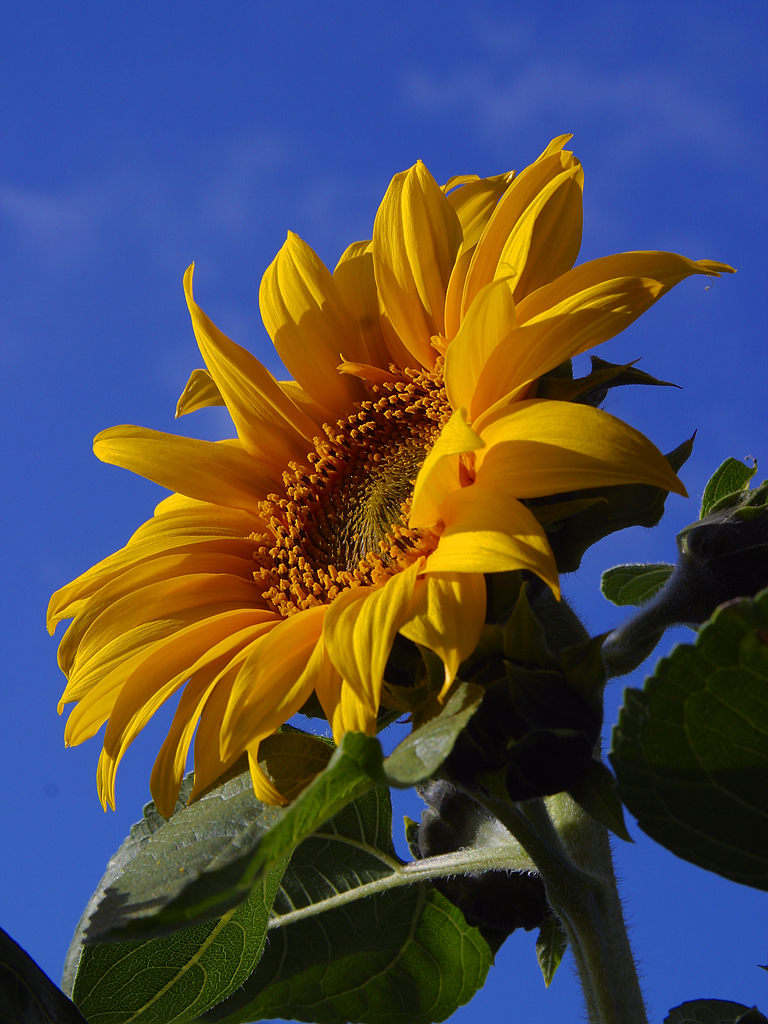 Common sunflowerHelianthus annuus
A tall annual plant grown for its large yellow flower heads and edible seeds
🇨🇦 Canada and 4 more · Wildflower
Common sunflowerHelianthus annuus
A tall annual plant grown for its large yellow flower heads and edible seeds
🇨🇦 Canada and 4 more · Wildflower
 CactusCactaceae
Succulent plants with spines, native to the Americas
🇲🇽 Mexico and 7 more · Wildflower
CactusCactaceae
Succulent plants with spines, native to the Americas
🇲🇽 Mexico and 7 more · Wildflower
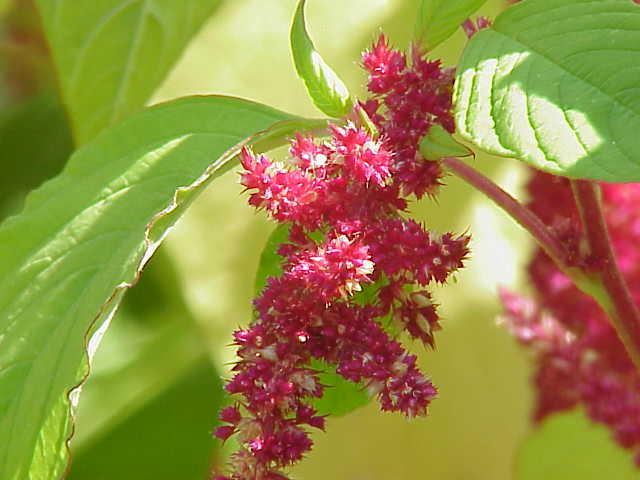 AmaranthAmaranthus
A tall, colourful plant grown for its flowers, leaves and edible seeds
🇲🇽 Mexico and 7 more · Wildflower
AmaranthAmaranthus
A tall, colourful plant grown for its flowers, leaves and edible seeds
🇲🇽 Mexico and 7 more · Wildflower
 HawthornCrataegus
A thorny shrub or tree with white or pink spring flowers and small edible fruits
🇮🇪 Ireland and 7 more · Wildflower
HawthornCrataegus
A thorny shrub or tree with white or pink spring flowers and small edible fruits
🇮🇪 Ireland and 7 more · Wildflower