
Entireleaf mountain-avens
Dryas integrifolia, family Rosaceae
A mat-forming Arctic shrub with white to yellow flowers
Entireleaf mountain-avens is a low, mat-forming shrub native to the Arctic regions of Alaska, Canada, and Greenland. Its white, cream, or yellow flowers often follow the sun, and the plant is vital for stabilizing rocky, barren ground and supporting Arctic habitats.
- Forms dense mats up to 17 cm tall in Arctic regions
- Flowers are usually white, sometimes yellow or cream
- Flowers may turn to follow the sun (heliotropism)
- Helps revegetate and stabilize disturbed Arctic soils
- Known by several traditional Inuit names
What does Entireleaf mountain-avens look like?
Entireleaf mountain-avens is a dwarf shrub, forming low mats up to 17 cm tall. Its stems branch out along the ground, and the leaves are narrow, with smooth tops and woolly, hairy undersides. Each flowering stem carries a single flower, usually with up to 11 obovate petals that are white, yellow, or cream. The flower center holds many yellow-tipped stamens. As fruits mature, their styles lengthen and develop fluffy, plume-like hairs, which help the seeds disperse on the wind.
Where does Entireleaf mountain-avens come from?
This plant is native to the Arctic, found from Alaska across northern Canada to Greenland. It is one of the most common flowering plants on some western Arctic islands. Entireleaf mountain-avens likely spread widely as the ice sheets retreated, quickly colonizing newly exposed ground. Its ability to thrive in cold, rocky, and nutrient-poor soils has made it a dominant species in many Arctic habitats.
When and how Entireleaf mountain-avens blooms
Entireleaf mountain-avens grows in tundra, meadows, river valleys, scree slopes, and gravelly areas. It is well adapted to cold, wet environments and poor soils. The plant is actinorhizal, forming a symbiotic relationship with nitrogen-fixing bacteria, and can also partner with certain fungi. Its dense mats help trap organic matter, gradually improving the soil.

How Entireleaf mountain-avens is used
This species is important for stabilizing disturbed or barren Arctic landscapes, especially after mining. Its mat-like growth helps accumulate organic material and supports revegetation. The Inuit have many names for the plant and use its seasonal changes to track the passage of time. It is also an emblematic plant of the Arctic.
Kinds of Entireleaf mountain-avens
Some flowers of Dryas integrifolia show heliotropism, turning to follow the sun, which makes them slightly warmer and attractive to insects. Occasionally, petals may display unusual markings, such as yellow spots or greenish midribs. The species can hybridize with related mountain-avens.
What Entireleaf mountain-avens means
Entireleaf mountain-avens is a key part of Arctic ecosystems and is recognized by the Inuit with several traditional names. Its ability to colonize and stabilize harsh environments makes it valuable for ecological restoration. The plant’s seasonal changes have cultural importance for Arctic peoples, who observe it to mark the seasons.
Questions people ask about Entireleaf mountain-avens
Where does entireleaf mountain-avens come from?
Entireleaf mountain-avens grows natively in the Arctic regions of North America, from Alaska through northern Canada to Greenland. It is especially common on some western Arctic islands.
What does the flower look like?
The plant is a low, mat-forming shrub with single flowers on each stem. The flowers usually have up to 11 white, yellow, or cream petals and a center of yellow-tipped stamens. The leaves are narrow and hairy underneath.
How is entireleaf mountain-avens used?
It is important for stabilizing and revegetating disturbed Arctic soils, especially after mining. The Inuit observe its seasonal changes to track the passage of time, and it is emblematic of the Arctic landscape.
Does the flower have any special behaviors?
Some flowers of this species exhibit heliotropism, turning to face the sun, which makes them warmer than their surroundings and provides a resting spot for insects.
What does entireleaf mountain-avens symbolize?
It is an emblematic plant of the Arctic and holds cultural significance for the Inuit, who use its growth and flowering to track the seasons.
Good reading and sources
- USDA Plants DatabaseUS Department of Agriculture, Article
- Plants of the World OnlineRoyal Botanic Gardens, Kew, Plant database
- Where it has been recordedGBIF, Plant database
- Sightings and photos by naturalistsiNaturalist, Plant database
- Dryas integrifolia on WikipediaEncyclopedia
- More photos on Wikimedia CommonsPhotos
- Wikidata recordOpen data
The facts on this page come from the Wikipedia article "Dryas integrifolia", written by its contributors and used under the CC BY-SA 4.0 licence, and from its Wikidata record (CC0). Phool rewrote the text in its own words, with AI assistance, and compares every page with the article to make sure no passage is copied. It may be reused under the same CC BY-SA 4.0 licence with a link back.
It may contain mistakes. It is not medical or foraging advice: many flowers are poisonous, and traditional uses are reported, not recommended. If something is wrong, tell us. Last refreshed 2026-10-03.
Others in the family Rosaceae
The whole family RoseRosa
Woody perennial plants with showy, often fragrant flowers in many colours
Rosa · Wildflower
RoseRosa
Woody perennial plants with showy, often fragrant flowers in many colours
Rosa · Wildflower
 PeachPrunus persica
A flowering fruit tree from China, grown for its pink blossoms and sweet fruit
🇨🇳 China and 7 more · Flowering tree
PeachPrunus persica
A flowering fruit tree from China, grown for its pink blossoms and sweet fruit
🇨🇳 China and 7 more · Flowering tree
 AlmondPrunus amygdalus
A Mediterranean tree grown for its fragrant spring flowers and edible seeds
🇮🇷 Iran and 6 more · Flowering tree
AlmondPrunus amygdalus
A Mediterranean tree grown for its fragrant spring flowers and edible seeds
🇮🇷 Iran and 6 more · Flowering tree
 ApricotPrunus armeniaca
A small fruit tree with early white to pink blossoms and golden-orange fruit
🇨🇳 China and 6 more · Flowering tree
ApricotPrunus armeniaca
A small fruit tree with early white to pink blossoms and golden-orange fruit
🇨🇳 China and 6 more · Flowering tree
More from Canada
All the flowers of Canada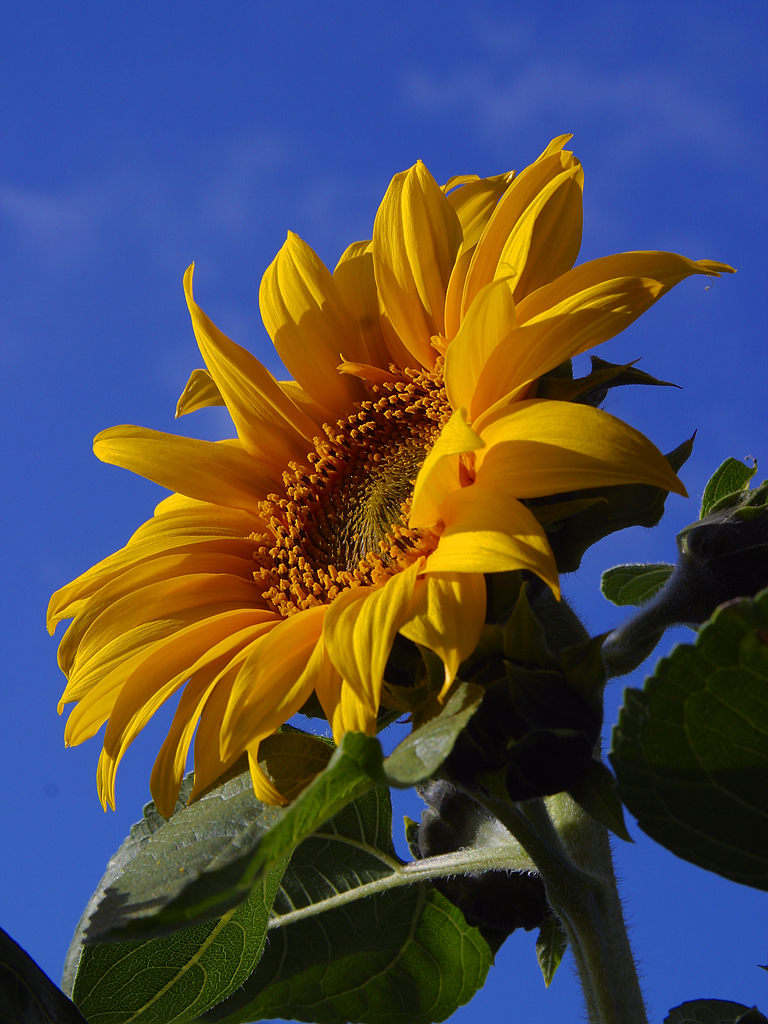 Common sunflowerHelianthus annuus
A tall annual plant grown for its large yellow flower heads and edible seeds
🇨🇦 Canada and 4 more · Wildflower
Common sunflowerHelianthus annuus
A tall annual plant grown for its large yellow flower heads and edible seeds
🇨🇦 Canada and 4 more · Wildflower
 BirchBetula
Slender trees with papery bark found across the northern world
🇨🇳 China and 7 more · Wildflower
BirchBetula
Slender trees with papery bark found across the northern world
🇨🇳 China and 7 more · Wildflower
 CactusCactaceae
Succulent plants with spines, native to the Americas
🇲🇽 Mexico and 7 more · Wildflower
CactusCactaceae
Succulent plants with spines, native to the Americas
🇲🇽 Mexico and 7 more · Wildflower
 TulipTulipa
Spring-blooming bulbs with showy, cup-shaped flowers in many colours
🇳🇱 Netherlands and 7 more · Wildflower
TulipTulipa
Spring-blooming bulbs with showy, cup-shaped flowers in many colours
🇳🇱 Netherlands and 7 more · Wildflower