
Edelweiss
Leontopodium nivale, family Asteraceae
A woolly white star-shaped flower of the European mountains
Edelweiss is a small, white, woolly flower found in high mountain regions of Europe, especially the Alps and Carpathians. It grows on rocky limestone slopes and is known for its star shape and dense white hairs. The flower is a symbol of the Alps and is protected in several countries due to past overcollection.
- Edelweiss grows at 1,800–3,400 metres in European mountains
- Its star-shaped white flowers are covered with dense woolly hairs
- It is a national symbol in Austria, Switzerland, Bulgaria, Slovenia, and Italy
- Edelweiss Day is celebrated on March 5
- Protected in many countries due to past overcollection
What does Edelweiss look like?
Edelweiss is a short-lived perennial with flowering stalks that reach 3–20 cm in the wild, sometimes up to 40 cm in gardens. Its leaves and flowers are coated in dense white hairs, giving a woolly look. Each flower head has five to six small yellow florets, surrounded by fuzzy white bracts arranged in a double-star pattern. The plant’s star-shaped blooms appear between July and September.
Where does Edelweiss come from?
Edelweiss is native to rocky limestone slopes in European mountain ranges, especially the Alps, Pyrenees, Apennines, and Balkans. It thrives at high altitudes, from about 1,800 to 3,400 metres, where it endures strong sun, wind, and thin soils. The plant’s woolly hairs help protect it from cold and ultraviolet light. Its name comes from German words meaning 'noble white', and it has been known by several regional names across Europe.
When and how Edelweiss blooms
Edelweiss blooms in summer, usually from July to September. It prefers full sun and well-drained, gritty soils that resemble its natural alpine habitat. In gardens, it is grown from seed, often with cold stratification to help germination. Plants are short-lived and may be maintained by sowing new seeds or dividing clumps. Wild collection is discouraged to protect natural populations.


How Edelweiss is used
Edelweiss has long been used as a symbol of the Alps and mountain purity. It appears in badges, souvenirs, and as a national emblem in several countries. In the Alps, it was traditionally given as a token of love and dedication. The plant has also been used in folk medicine to treat various ailments and is sometimes included in dry bouquets. Edelweiss Day is celebrated on March 5.
Kinds of Edelweiss
Leontopodium nivale includes two main subspecies: subsp. alpinum and subsp. nivale. Some horticultural varieties have been selected for compact growth or longer flowering. Regional names and forms exist across European mountain areas, reflecting local traditions and languages.
What Edelweiss means
Edelweiss is a national symbol in Austria, Switzerland, Bulgaria, Slovenia, and Italy, and is protected by law in many places. It is closely linked to alpinism and mountain troops, appearing in military badges and emblems. The flower stands for rugged beauty, purity, and devotion, and is celebrated in songs, stories, and art. Overcollection once threatened wild populations, but conservation efforts have helped stabilize them.
Questions people ask about Edelweiss
Where does edelweiss come from?
Edelweiss is native to high mountain regions in Europe, especially the Alps, Pyrenees, Apennines, and the Balkans. It grows on rocky limestone slopes at elevations between 1,800 and 3,400 metres.
What does edelweiss look like?
Edelweiss has small yellow flower clusters surrounded by fuzzy white bracts, forming a double-star shape. The whole plant is covered in dense white hairs, giving it a woolly appearance.
Why is edelweiss important?
Edelweiss is a symbol of the Alps, representing purity, rugged beauty, and devotion. It is a national emblem in several countries and is featured in badges, art, and folklore.
Is edelweiss protected?
Yes, edelweiss is protected in many countries due to past overcollection and habitat loss. Laws and conservation measures help maintain its wild populations.
How is edelweiss used?
Edelweiss is used as a symbol in emblems and souvenirs, in folk medicine, and in dry bouquets. It is also celebrated in festivals and is grown in gardens for its unique appearance.
Good reading and sources
- IUCN Red List of Threatened SpeciesIUCN Red List, Article
- Plants of the World OnlineRoyal Botanic Gardens, Kew, Plant database
- Where it has been recordedGBIF, Plant database
- Sightings and photos by naturalistsiNaturalist, Plant database
The facts on this page come from the Wikipedia article "Edelweiss", written by its contributors and used under the CC BY-SA 4.0 licence, and from its Wikidata record (CC0). Phool rewrote the text in its own words, with AI assistance, and compares every page with the article to make sure no passage is copied. It may be reused under the same CC BY-SA 4.0 licence with a link back.
It may contain mistakes. It is not medical or foraging advice: many flowers are poisonous, and traditional uses are reported, not recommended. If something is wrong, tell us. Last refreshed 2026-10-03.
Others in the family Asteraceae
The whole family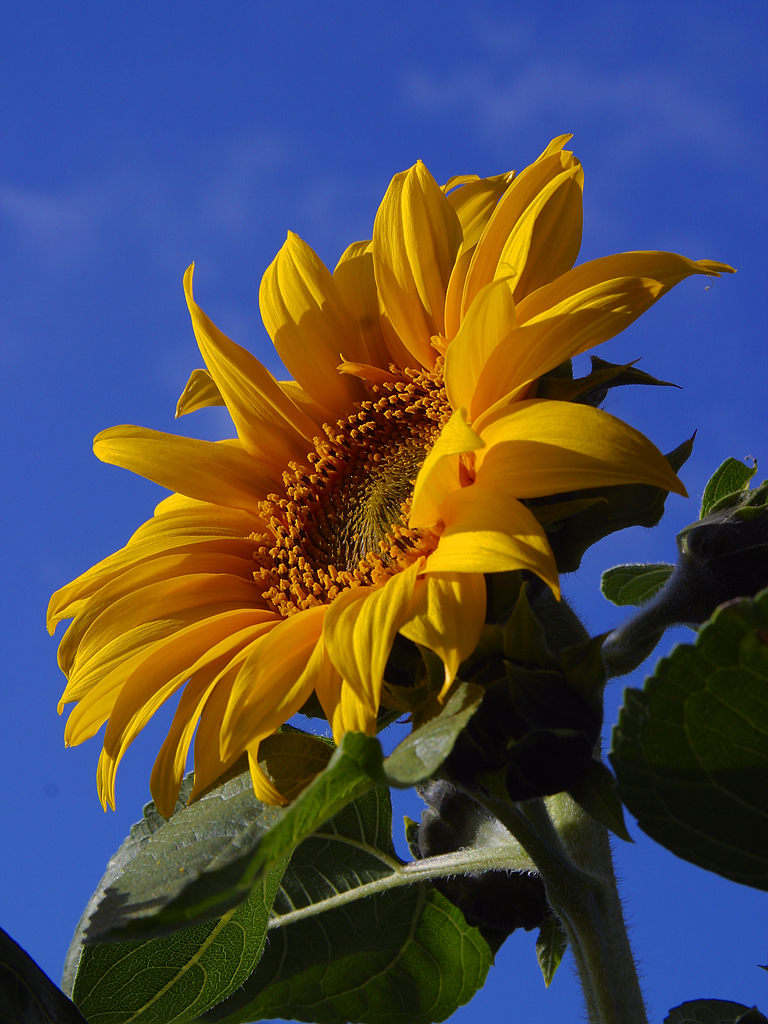 Common sunflowerHelianthus annuus
A tall annual plant grown for its large yellow flower heads and edible seeds
🇨🇦 Canada and 4 more · Wildflower
Common sunflowerHelianthus annuus
A tall annual plant grown for its large yellow flower heads and edible seeds
🇨🇦 Canada and 4 more · Wildflower
 Chrysanthemum菊花
Autumn-blooming flower with thousands of varieties, cherished in East Asia and beyond
🇨🇳 China and 6 more · Wildflower
Chrysanthemum菊花
Autumn-blooming flower with thousands of varieties, cherished in East Asia and beyond
🇨🇳 China and 6 more · Wildflower
 Asteraceae
The vast family of daisies, asters, and sunflowers with star-like flower heads
Asteraceae · Wildflower
Asteraceae
The vast family of daisies, asters, and sunflowers with star-like flower heads
Asteraceae · Wildflower
 DandelionTaraxacum
A yellow-flowered perennial found in fields, lawns, and gardens worldwide
Taraxacum · Wildflower
DandelionTaraxacum
A yellow-flowered perennial found in fields, lawns, and gardens worldwide
Taraxacum · Wildflower
More from Austria
All the flowers of Austria RapeseedBrassica napus
A yellow-flowered crop grown for its oil-rich seeds and protein meal
🇨🇳 China and 7 more · Wildflower
RapeseedBrassica napus
A yellow-flowered crop grown for its oil-rich seeds and protein meal
🇨🇳 China and 7 more · Wildflower
 BlackthornPrunus spinosa
A spiny shrub with white spring flowers and tart blue-black fruit
🇬🇧 United Kingdom and 7 more · Wildflower
BlackthornPrunus spinosa
A spiny shrub with white spring flowers and tart blue-black fruit
🇬🇧 United Kingdom and 7 more · Wildflower
 ColtsfootTussilago farfara
A yellow spring-flowering herb once used in traditional remedies
🇨🇳 China and 4 more · Wildflower
ColtsfootTussilago farfara
A yellow spring-flowering herb once used in traditional remedies
🇨🇳 China and 4 more · Wildflower
 CornflowerCentaurea cyanus
A bright blue wildflower once common in European grain fields
🇩🇪 Germany and 7 more · Wildflower
CornflowerCentaurea cyanus
A bright blue wildflower once common in European grain fields
🇩🇪 Germany and 7 more · Wildflower