
Cornflower
Centaurea cyanus, family Asteraceae
A bright blue wildflower once common in European grain fields
Cornflower is an annual plant with vivid blue flowers, native to temperate Europe but now found worldwide. Once a familiar weed in grain fields, it is grown for gardens, cut flowers, and edible petals, and is valued by bees and birds.
- Cornflower's vivid blue comes from the pigment protocyanin.
- It is endangered in its native European fields due to herbicides.
- Petals are edible and used in teas and food decoration.
- Bees and goldfinches are attracted to its nectar and seeds.
- It is a national symbol in Germany and Austria.
What does Cornflower look like?
Cornflower is an upright annual that grows 20 to 100 cm tall, with slender, branched grey-green stems and narrow, lance-shaped leaves. Its flowerheads are usually a striking deep blue, about 1.5 to 3 cm across, with a ring of larger, spreading petals around a cluster of smaller ones. Other cultivated forms can be pink, purple, white, or very dark maroon. The plant produces small fruits with bristles. Cornflower blooms through summer.
Where does Cornflower come from?
Cornflower is native to temperate Europe, where it once grew widely as a weed in cereal fields. Its name comes from its habit of appearing among crops like wheat and barley. The plant has been present in Britain and Ireland since ancient times, but has become rare in its original range due to modern farming and herbicide use. It is now naturalized in many regions, including North America, Australia, and China, often introduced as a garden flower or through contaminated seed.
When and how Cornflower blooms
Cornflower grows best in full sun and well-drained, neutral to mildly alkaline soil. It is sown in late spring for summer blooms, or in early autumn in milder climates for earlier flowering. Plants are spaced about 20–30 cm apart. Deadheading encourages more blooms. Several cultivars exist, with a range of pastel shades. Seeds can be collected by hand or with machines in larger settings.


How Cornflower is used
People grow cornflower for its bright flowers in gardens and as cut flowers for bouquets. The petals are edible and used to decorate salads, desserts, cheeses, and teas, including Lady Grey tea. Dried petals add color to foods and drinks. The plant is also used in herbal medicine, especially for minor eye inflammations. Bees and other insects are attracted to its nectar, and birds such as goldfinches eat its seeds.
Kinds of Cornflower
Gardeners have bred cornflower into many forms, including double-flowered blue types like 'Blue Boy', as well as pink, lavender, white, and nearly black varieties. Wild forms are usually blue. No accepted subspecies exist, but there are many synonyms and some regional names.
What Cornflower means
Cornflower is a symbol of Germany and was linked to Prussian royalty. It has appeared in folklore as a token of love and was worn by young men. In Austria, it has been used as a political symbol. The flower's intense blue inspired the German Romantic 'Blue Flower' motif. Conservation groups now work to protect it in its original European habitats, where it is endangered.
Where Cornflower is used and seen

Traditions that use it
Where to see Cornflower

Questions people ask about Cornflower
Where does cornflower come from?
Cornflower is native to temperate Europe, where it once grew widely as a weed in grain fields. It is now also found in North America, Australia, China, and other regions as a naturalized or garden plant.
What does cornflower look like?
Cornflower is an upright annual plant with slender, branched stems and narrow leaves. Its flowerheads are usually bright blue, about 1.5 to 3 cm across, but garden varieties can also be pink, purple, white, or maroon.
Is cornflower edible?
Yes, the petals of cornflower can be eaten raw, dried, or cooked. They are often used to add color to salads, desserts, cheeses, and teas.
What does cornflower symbolize?
Cornflower has been a symbol of Germany and Prussian royalty. In folklore, it was worn by young men in love, and it appears in literature as a symbol of romantic longing.
Why is cornflower endangered in Europe?
Cornflower has declined in its native European fields mainly because of intensive agriculture and heavy herbicide use, which have reduced its habitat.
Good reading and sources
- Encyclopaedia BritannicaArticle
- New far-right German party adopts former secret Nazi symbolThe Guardian, Article
- Plants of the World OnlineRoyal Botanic Gardens, Kew, Plant database
- Where it has been recordedGBIF, Plant database
- Sightings and photos by naturalistsiNaturalist, Plant database
- Centaurea cyanus on WikipediaEncyclopedia
- More photos on Wikimedia CommonsPhotos
- Wikidata recordOpen data
The facts on this page come from the Wikipedia article "Centaurea cyanus", written by its contributors and used under the CC BY-SA 4.0 licence, and from its Wikidata record (CC0). Phool rewrote the text in its own words, with AI assistance, and compares every page with the article to make sure no passage is copied. It may be reused under the same CC BY-SA 4.0 licence with a link back.
It may contain mistakes. It is not medical or foraging advice: many flowers are poisonous, and traditional uses are reported, not recommended. If something is wrong, tell us. Last refreshed 2026-10-03.
Others in the family Asteraceae
The whole family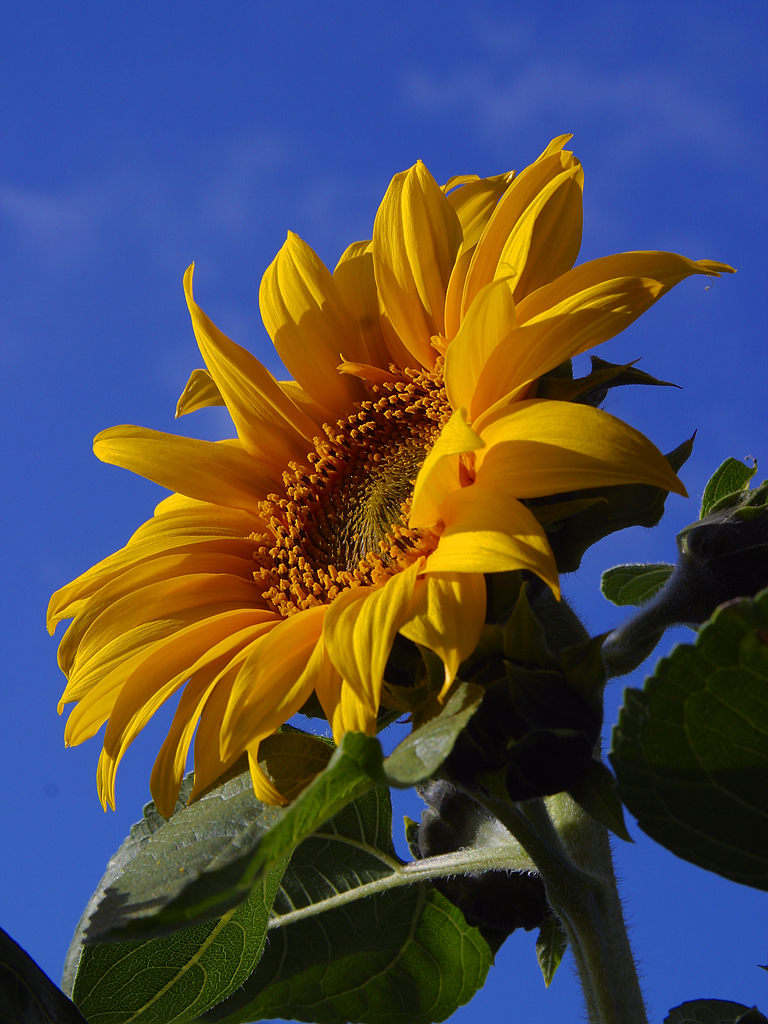 Common sunflowerHelianthus annuus
A tall annual plant grown for its large yellow flower heads and edible seeds
🇨🇦 Canada and 4 more · Wildflower
Common sunflowerHelianthus annuus
A tall annual plant grown for its large yellow flower heads and edible seeds
🇨🇦 Canada and 4 more · Wildflower
 Chrysanthemum菊花
Autumn-blooming flower with thousands of varieties, cherished in East Asia and beyond
🇨🇳 China and 6 more · Wildflower
Chrysanthemum菊花
Autumn-blooming flower with thousands of varieties, cherished in East Asia and beyond
🇨🇳 China and 6 more · Wildflower
 Asteraceae
The vast family of daisies, asters, and sunflowers with star-like flower heads
Asteraceae · Wildflower
Asteraceae
The vast family of daisies, asters, and sunflowers with star-like flower heads
Asteraceae · Wildflower
 DandelionTaraxacum
A yellow-flowered perennial found in fields, lawns, and gardens worldwide
Taraxacum · Wildflower
DandelionTaraxacum
A yellow-flowered perennial found in fields, lawns, and gardens worldwide
Taraxacum · Wildflower
More from Germany
All the flowers of Germany AlmondPrunus amygdalus
A Mediterranean tree grown for its fragrant spring flowers and edible seeds
🇮🇷 Iran and 6 more · Flowering tree
AlmondPrunus amygdalus
A Mediterranean tree grown for its fragrant spring flowers and edible seeds
🇮🇷 Iran and 6 more · Flowering tree
 TulipTulipa
Spring-blooming bulbs with showy, cup-shaped flowers in many colours
🇳🇱 Netherlands and 7 more · Wildflower
TulipTulipa
Spring-blooming bulbs with showy, cup-shaped flowers in many colours
🇳🇱 Netherlands and 7 more · Wildflower
 LindenTilia
Tall, broad-leaved trees with fragrant yellow flowers and heart-shaped leaves
🇨🇳 China and 7 more · Flowering tree
LindenTilia
Tall, broad-leaved trees with fragrant yellow flowers and heart-shaped leaves
🇨🇳 China and 7 more · Flowering tree
 BlackthornPrunus spinosa
A spiny shrub with white spring flowers and tart blue-black fruit
🇬🇧 United Kingdom and 7 more · Wildflower
BlackthornPrunus spinosa
A spiny shrub with white spring flowers and tart blue-black fruit
🇬🇧 United Kingdom and 7 more · Wildflower