
Epidendrum secundum
A South American orchid with dense clusters of colorful flowers
Epidendrum secundum is an orchid found in the highlands and forests of Brazil, Peru, and nearby countries. Its flowers, which can be lilac, red, orange, or yellow, grow tightly around the stem and are known for their fringed lips. This plant is notable for its many forms and unusually long seeds.
- Flowers form a dense, cylindrical cluster around the stem
- Found in Brazil, Peru, Bolivia, and Venezuela
- Seeds can reach up to 6 mm, the longest in the orchid family
- Shows a wide range of flower colors and forms
- Often grows in mountain forests and disturbed habitats
What does Epidendrum secundum look like?
Epidendrum secundum is a reed-stemmed orchid with thin stems covered by overlapping sheaths. Its flowers are arranged in a tight, cylindrical cluster around the top of the stem, rather than on one side. Each flower has a fringed, three-lobed lip attached to the column, and the colors range from lilac to red, orange, or yellow. The plant can handle cooler temperatures and even light frost.
Where does Epidendrum secundum come from?
This orchid grows wild in the mountains and forests of South America, especially in Brazil and Peru, sometimes at high elevations. It can also be found in disturbed places like roadsides. The species was named by Jacquin in the 18th century, though the name is misleading since the flowers do not grow all on one side. Over time, many similar orchids have been grouped under this name, leading to a complex with many forms.
When and how Epidendrum secundum blooms
Epidendrum secundum grows as a sympodial orchid, producing new shoots from the base. It can be found growing on the ground or on trees. The plant forms a terminal flower cluster at the top of each stem, with each flower featuring a prominent callus on its lip. The seeds are especially long for an orchid, reaching up to 6 mm.

How Epidendrum secundum is used
There are no specific traditional uses or cultural practices tied to Epidendrum secundum in the sources. It is mainly noted for its botanical interest and diversity, and for being part of the wild flora in its native regions.
Kinds of Epidendrum secundum
There are dozens of forms within the Epidendrum secundum group, with some botanists considering certain types as separate species. The plant shows a wide range of flower colors and chromosome numbers, and many names have been given to its variants over time. This diversity has led to confusion and debate among orchid specialists.
What Epidendrum secundum means
Epidendrum secundum does not have a strong presence in symbolism, religion, or national emblems according to the sources. Its main significance lies in its botanical complexity and the interest it holds for orchid researchers, especially due to its seed length and the variety within the group.
Questions people ask about Epidendrum secundum
Where does Epidendrum secundum grow naturally?
It is native to the montane forests of South America, especially in Brazil and Peru, and can also be found in places like Bolivia and Venezuela, often at high elevations or in disturbed areas.
What do the flowers of Epidendrum secundum look like?
The flowers are tightly packed around the top of the stem in a cylindrical cluster. They can be lilac, red, orange, or yellow, and each has a fringed, three-lobed lip.
Is Epidendrum secundum used in any traditional practices?
The sources do not mention any traditional or cultural uses for this orchid. Its main importance is botanical, due to its diversity and unique features.
Why is it called the lopsided star orchid?
Although sometimes called the lopsided star orchid, this name is misleading. The flowers actually circle the stem, not growing on just one side.
What makes Epidendrum secundum notable among orchids?
It is known for having the longest seeds in the orchid family and for its great variation in flower color and form, leading to many different names and classifications.
Good reading and sources
- Encyclopaedia BritannicaArticle
- USDA Plants DatabaseUS Department of Agriculture, Article
- Plants of the World OnlineRoyal Botanic Gardens, Kew, Plant database
- Where it has been recordedGBIF, Plant database
- Sightings and photos by naturalistsiNaturalist, Plant database
- Epidendrum secundum on WikipediaEncyclopedia
- More photos on Wikimedia CommonsPhotos
- Wikidata recordOpen data
The facts on this page come from the Wikipedia article "Epidendrum secundum", written by its contributors and used under the CC BY-SA 4.0 licence, and from its Wikidata record (CC0). Phool rewrote the text in its own words, with AI assistance, and compares every page with the article to make sure no passage is copied. It may be reused under the same CC BY-SA 4.0 licence with a link back.
It may contain mistakes. It is not medical or foraging advice: many flowers are poisonous, and traditional uses are reported, not recommended. If something is wrong, tell us. Last refreshed 2026-10-03.
Others in the family Orchidaceae
The whole family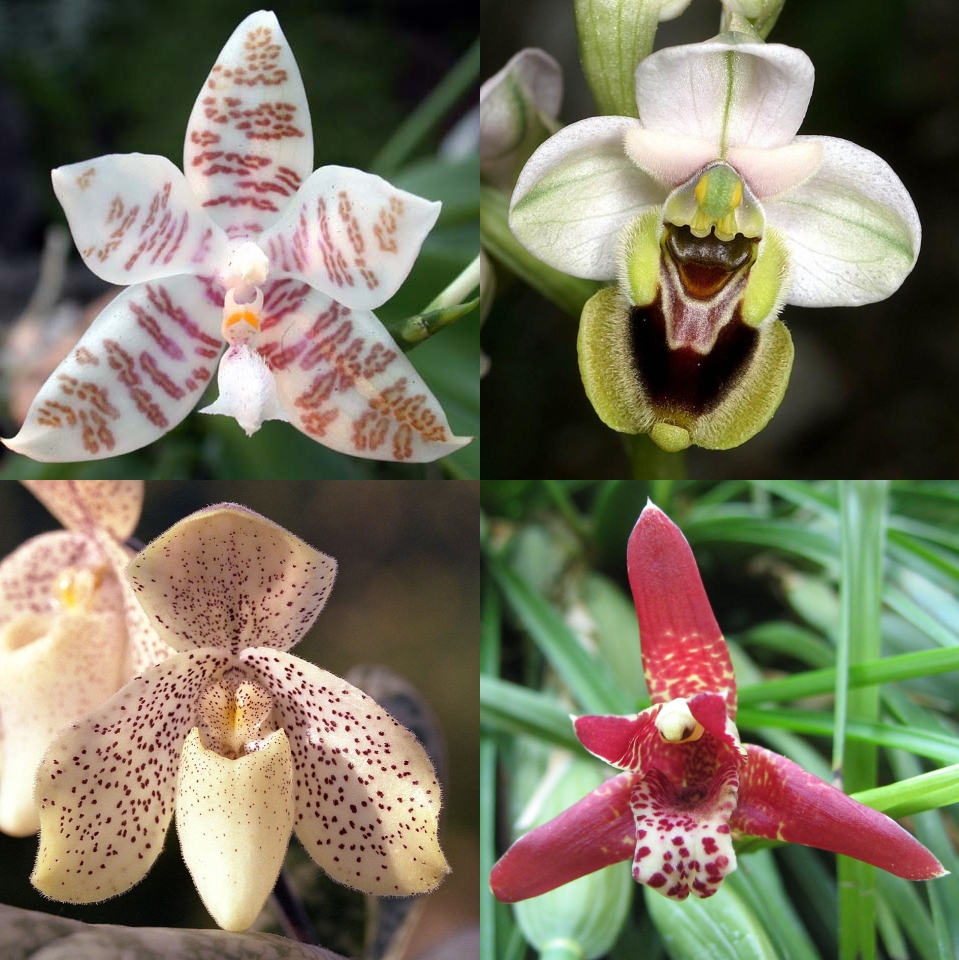 OrchidOrchidaceae
A vast family of colourful, often fragrant flowers found almost everywhere on earth
Orchidaceae · Wildflower
OrchidOrchidaceae
A vast family of colourful, often fragrant flowers found almost everywhere on earth
Orchidaceae · Wildflower
 Vanilla
Climbing orchids with pods used for the world’s most popular flavor
🇲🇽 Mexico and 7 more · Wildflower
Vanilla
Climbing orchids with pods used for the world’s most popular flavor
🇲🇽 Mexico and 7 more · Wildflower
 Orchis
A group of wild orchids with tuberous roots from Europe, North Africa and Asia
🇹🇷 Turkey and 7 more · Wildflower
Orchis
A group of wild orchids with tuberous roots from Europe, North Africa and Asia
🇹🇷 Turkey and 7 more · Wildflower
 Pansy orchidMiltoniopsis
An orchid with flowers that resemble garden pansies
🇨🇷 Costa Rica and 5 more · Orchid
Pansy orchidMiltoniopsis
An orchid with flowers that resemble garden pansies
🇨🇷 Costa Rica and 5 more · Orchid
More from Brazil
All the flowers of Brazil CactusCactaceae
Succulent plants with spines, native to the Americas
🇲🇽 Mexico and 7 more · Wildflower
CactusCactaceae
Succulent plants with spines, native to the Americas
🇲🇽 Mexico and 7 more · Wildflower
 Eucalyptus
The tall, aromatic trees and shrubs known as gum trees or eucalypts
🇦🇺 Australia and 7 more · Flowering tree
Eucalyptus
The tall, aromatic trees and shrubs known as gum trees or eucalypts
🇦🇺 Australia and 7 more · Flowering tree
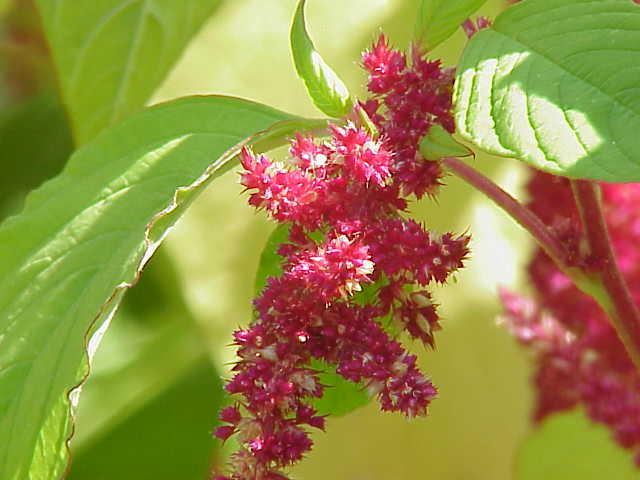 AmaranthAmaranthus
A tall, colourful plant grown for its flowers, leaves and edible seeds
🇲🇽 Mexico and 7 more · Wildflower
AmaranthAmaranthus
A tall, colourful plant grown for its flowers, leaves and edible seeds
🇲🇽 Mexico and 7 more · Wildflower
 Sensitive PlantMimosa pudica
A touch-sensitive plant whose leaves fold up when disturbed
🇧🇷 Brazil and 8 more · Wildflower
Sensitive PlantMimosa pudica
A touch-sensitive plant whose leaves fold up when disturbed
🇧🇷 Brazil and 8 more · Wildflower