
Fuchsia
Shrubs and small trees with pendulous, colourful flowers from the Americas and Pacific
Fuchsia is a genus of about 110 flowering shrubs and small trees, mostly native to South and Central America, with a few species in New Zealand and Tahiti. These plants are grown for their hanging, teardrop-shaped flowers in shades of red, purple, pink, white, and orange, and are popular in gardens and as ornamentals.
- About 110 species, mostly native to South America
- Flowers are pendulous and come in red, purple, pink, white, orange, and yellow
- Some species produce edible berries used for jam
- Hardy fuchsias thrive in mild coastal regions like Ireland and the Pacific Northwest
- Named after German botanist Leonhart Fuchs
What does Fuchsia look like?
Fuchsias are mostly shrubs, sometimes small trees, ranging from 20 cm to 4 m tall, with one New Zealand species growing up to 15 m. Their leaves are simple, often lance-shaped, and arranged in pairs or whorls. The flowers hang down in clusters, shaped like teardrops, with four long sepals and four shorter petals. Most are brightly coloured, often in red and purple, but can also be pink, white, orange, yellow, or blue. The flowers are showy and attract hummingbirds. The fruit is a small berry, deep red to purple, containing many tiny seeds.
Where does Fuchsia come from?
Most fuchsia species are native to South America, with some found in Central America, Mexico, New Zealand, and Tahiti. The first described species was discovered in the Caribbean in the late 17th century by Charles Plumier, who named the genus after the German botanist Leonhart Fuchs. Fuchsias likely spread to their current range through ancient land bridges. The genus has been divided into several sections based on geography and flower features. Fuchsias have been grown in gardens since the early 18th century.
When and how Fuchsia blooms
Fuchsias bloom from late spring through summer and into early autumn, with some tropical species flowering all year. They prefer cool, mild climates without frost and grow best in partial shade with regular watering. Gardeners propagate them from cuttings or seeds. There are upright, bushy, and trailing types, and some can be trained as hedges. Many hybrids and cultivars are available, some bred for hardiness in cooler climates.


How Fuchsia is used
Fuchsias are widely grown as ornamental shrubs in gardens and containers for their decorative flowers. Some species produce edible berries, which can be eaten fresh or made into jam, though taste varies by species. In regions like Ireland and the Pacific Northwest of the United States, hardy fuchsias are grown outdoors and sometimes naturalize in the wild. The plant is also used as a regional emblem in some areas.
Kinds of Fuchsia
There are about 110 species in the genus, grouped into sections by region. Notable species include F. magellanica (hardy and widely grown), F. excorticata (a tree from New Zealand), and F. splendens (known for tasty fruit). Hundreds of cultivars exist, with flowers in various shapes and colours. Some, like 'Alice Hoffman' and 'Mrs Popple', are recognized for garden merit.
What Fuchsia means
Fuchsias are named for Leonhart Fuchs, a German botanist. The plant is popular in gardens worldwide, especially in Britain, Ireland, and the Pacific Northwest. In Ireland, it grows abundantly in mild coastal regions and is part of the local landscape. The name is often misspelled as 'fuschia' in English. Fuchsias are valued for their beauty and as a symbol of certain regions.
Where Fuchsia is used and seen
 Hidcote Manor GardenA famous Arts and Crafts garden of outdoor rooms in Gloucestershire, England
 San Diego Botanic GardenA 37-acre garden in Encinitas with global plant collections and rare bamboos
 Mendocino Coast Botanical GardensA coastal garden in Mendocino County, California with ocean views and diverse plantings
Where to see Fuchsia

Questions people ask about Fuchsia
Where do fuchsias come from?
Most fuchsias are native to South and Central America, but a few species grow in New Zealand, Tahiti, and the Caribbean. They have spread to gardens worldwide and thrive in mild, frost-free climates.
What do fuchsia flowers look like?
Fuchsia flowers hang down like teardrops, with four long sepals and four shorter petals. They come in bright colours such as red, purple, pink, white, orange, and yellow, and are often grown for their decorative appeal.
Can you eat fuchsia berries?
Some fuchsia species produce edible berries. The taste varies: F. splendens is said to have a citrus and black pepper flavour, while others are sweet or bland. Some berries can be made into jam.
Are fuchsias hardy?
Certain species and cultivars, like F. magellanica, are hardy and can survive mild winters in regions such as Britain, Ireland, and the Pacific Northwest of the United States. Others are more tender and need protection from frost.
What does the fuchsia plant symbolise?
The sources do not mention a specific symbolism for fuchsias, but they are valued for their beauty and are used as regional emblems in some places.
Good reading and sources
- Encyclopaedia BritannicaArticle
- Onagraceae: Department of Botany, National Museum of Natural History, SmithsonianSmithsonian, Article
- Plants of the World OnlineRoyal Botanic Gardens, Kew, Plant database
- Where it has been recordedGBIF, Plant database
- Sightings and photos by naturalistsiNaturalist, Plant database
The facts on this page come from the Wikipedia article "Fuchsia", written by its contributors and used under the CC BY-SA 4.0 licence, and from its Wikidata record (CC0). Phool rewrote the text in its own words, with AI assistance, and compares every page with the article to make sure no passage is copied. It may be reused under the same CC BY-SA 4.0 licence with a link back.
It may contain mistakes. It is not medical or foraging advice: many flowers are poisonous, and traditional uses are reported, not recommended. If something is wrong, tell us. Last refreshed 2026-10-03.
Others in the family Onagraceae
The whole family FireweedChamaenerion angustifolium
A tall pink wildflower that quickly covers burned or disturbed ground
🇨🇳 China and 3 more · Wildflower
FireweedChamaenerion angustifolium
A tall pink wildflower that quickly covers burned or disturbed ground
🇨🇳 China and 3 more · Wildflower
 Evening primroseOenothera
A group of night-blooming wildflowers native to the Americas
🇲🇽 Mexico and 3 more · Wildflower
Evening primroseOenothera
A group of night-blooming wildflowers native to the Americas
🇲🇽 Mexico and 3 more · Wildflower
 Hardy fuchsiaFuchsia magellanica
A South American shrub with drooping red and purple flowers
🇦🇷 Argentina and 5 more · Flowering shrub
Hardy fuchsiaFuchsia magellanica
A South American shrub with drooping red and purple flowers
🇦🇷 Argentina and 5 more · Flowering shrub
 Clarkia
Wildflowers and garden annuals with four-petalled blooms, mostly from western North America
Clarkia · Wildflower
Clarkia
Wildflowers and garden annuals with four-petalled blooms, mostly from western North America
Clarkia · Wildflower
More from Mexico
All the flowers of Mexico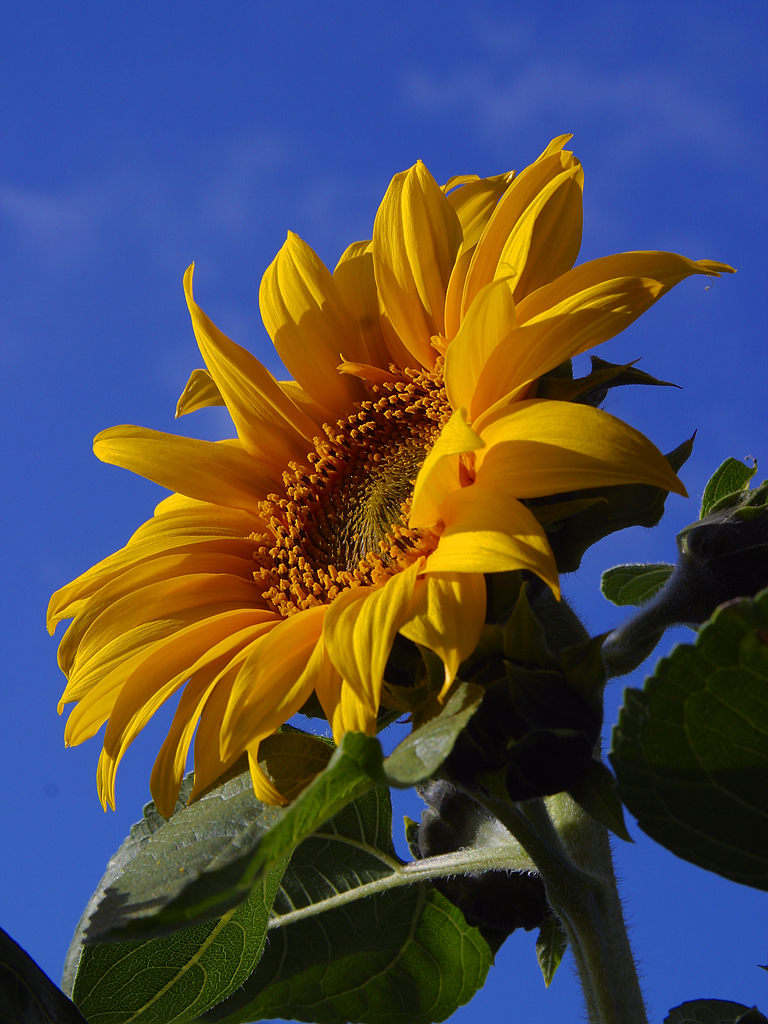 Common sunflowerHelianthus annuus
A tall annual plant grown for its large yellow flower heads and edible seeds
🇨🇦 Canada and 4 more · Wildflower
Common sunflowerHelianthus annuus
A tall annual plant grown for its large yellow flower heads and edible seeds
🇨🇦 Canada and 4 more · Wildflower
 CactusCactaceae
Succulent plants with spines, native to the Americas
🇲🇽 Mexico and 7 more · Wildflower
CactusCactaceae
Succulent plants with spines, native to the Americas
🇲🇽 Mexico and 7 more · Wildflower
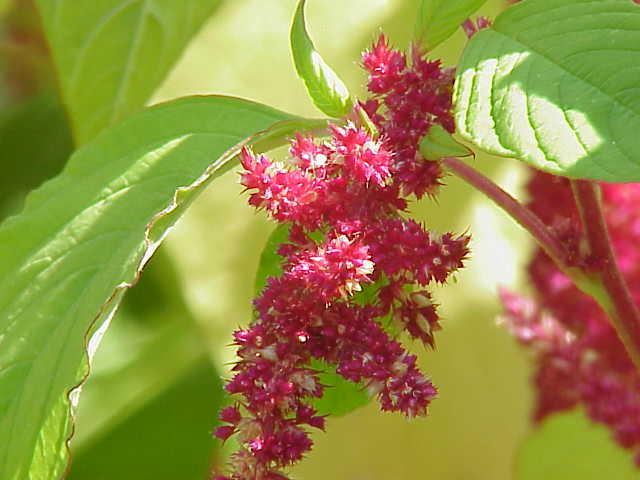 AmaranthAmaranthus
A tall, colourful plant grown for its flowers, leaves and edible seeds
🇲🇽 Mexico and 7 more · Wildflower
AmaranthAmaranthus
A tall, colourful plant grown for its flowers, leaves and edible seeds
🇲🇽 Mexico and 7 more · Wildflower
 HawthornCrataegus
A thorny shrub or tree with white or pink spring flowers and small edible fruits
🇮🇪 Ireland and 7 more · Wildflower
HawthornCrataegus
A thorny shrub or tree with white or pink spring flowers and small edible fruits
🇮🇪 Ireland and 7 more · Wildflower