
Firewheel
Gaillardia pulchella, family Asteraceae
In its own language: 天人菊
A daisy-like wildflower with red, orange, and yellow petals
Firewheel is a North American wildflower with bright, pinwheel-shaped blooms in red, orange, and yellow. It grows in sandy soils from northern Mexico through the southern and central United States, and has spread to places like China, South Africa, and Taiwan. People grow it for its vivid color in gardens and along roadsides.
- State wildflower of Oklahoma
- County flower of Penghu, Taiwan
- Blooms in red, orange, and yellow
- Grows well in sandy, sunny places
- Supports butterflies and bees
What does Firewheel look like?
Firewheel is a branching plant with upright, hairy stems that can reach about 60 cm tall. Its leaves are mostly at the base, shaped with smooth or toothed edges. The flower heads are daisy-like, 4–6.5 cm across, and show a mix of red, orange, and yellow, often with a red-violet center. Some forms are almost entirely red with yellow tips. The plant produces small, hairy fruits called achenes.
Where does Firewheel come from?
This flower is native to sandy areas of northern Mexico and stretches through the southern and central parts of the United States. It is often found on plains, deserts, and roadsides, thriving in well-drained, sandy soils. Over time, it has been introduced to other regions, including China, South Africa, and Taiwan, where it has adapted well and sometimes become naturalized.
When and how Firewheel blooms
Firewheel blooms mainly from late spring through summer and sometimes into autumn, especially in warm climates. It prefers full sun and dry, sandy soil, and can handle drought well. The plant is grown from seed and often self-sows, making it easy to maintain in gardens or wild areas. Deadheading spent flowers can encourage more blooms.


How Firewheel is used
People enjoy firewheel for its bright color in gardens, parks, and along highways. In Taiwan's Penghu County, it is celebrated as the county flower. In Oklahoma, it is recognized as the state wildflower. The plant also supports local wildlife, serving as food for butterfly and moth larvae, and is visited by honeybees.
Kinds of Firewheel
Several garden varieties and hybrids have been developed, including 'Sundance Bicolor' with double flower heads of red and yellow, 'Goblin', and 'Tangerine'. Gaillardia × grandiflora, a hybrid with another Gaillardia species, is popular for its large, colorful blooms.
What Firewheel means
Firewheel holds cultural significance as the state wildflower of Oklahoma and the county flower of Penghu in Taiwan. Its vivid colors make it a symbol of the local landscape in these places. The plant is also valued for attracting pollinators and for its ability to thrive in tough conditions.
Where to see Firewheel
 🇺🇸 Austin · Mar to OctThe Lady Bird Johnson Wildflower CenterA botanic garden in Austin given over entirely to the native plants of Texas, at its best in bluebonnet season.
 🇺🇸 Fredericksburg · Mar to AprA bluebonnet drive through the Texas Hill CountryBack roads west of Austin where bluebonnets and paintbrush line the verges and fill the pastures in early spring.
Questions people ask about Firewheel
Where does firewheel come from?
Firewheel is native to sandy regions of northern Mexico and the southern and central United States. It has also spread to other parts of the world, including China, South Africa, and Taiwan.
What does the firewheel flower look like?
The flower has a daisy-like shape with petals in red, orange, and yellow, often with a red-violet center. Some varieties are mostly red with yellow at the tips.
How is firewheel used?
Firewheel is grown for its bright color in gardens and along roadsides. It is also a symbol in places like Oklahoma and Penghu County, and supports pollinators like bees and butterflies.
Does firewheel have any special meaning?
It is the state wildflower of Oklahoma and the county flower of Penghu in Taiwan, making it a local emblem in both places.
When does firewheel bloom?
Firewheel usually flowers from late spring through summer and sometimes into autumn, depending on the climate.
Good reading and sources
- Encyclopaedia BritannicaArticle
- USDA Plants DatabaseUS Department of Agriculture, Article
- Plants of the World OnlineRoyal Botanic Gardens, Kew, Plant database
- Where it has been recordedGBIF, Plant database
- Sightings and photos by naturalistsiNaturalist, Plant database
- Gaillardia pulchella on WikipediaEncyclopedia
- More photos on Wikimedia CommonsPhotos
- Wikidata recordOpen data
The facts on this page come from the Wikipedia article "Gaillardia pulchella", written by its contributors and used under the CC BY-SA 4.0 licence, and from its Wikidata record (CC0). Phool rewrote the text in its own words, with AI assistance, and compares every page with the article to make sure no passage is copied. It may be reused under the same CC BY-SA 4.0 licence with a link back.
It may contain mistakes. It is not medical or foraging advice: many flowers are poisonous, and traditional uses are reported, not recommended. If something is wrong, tell us. Last refreshed 2026-10-03.
Others in the family Asteraceae
The whole family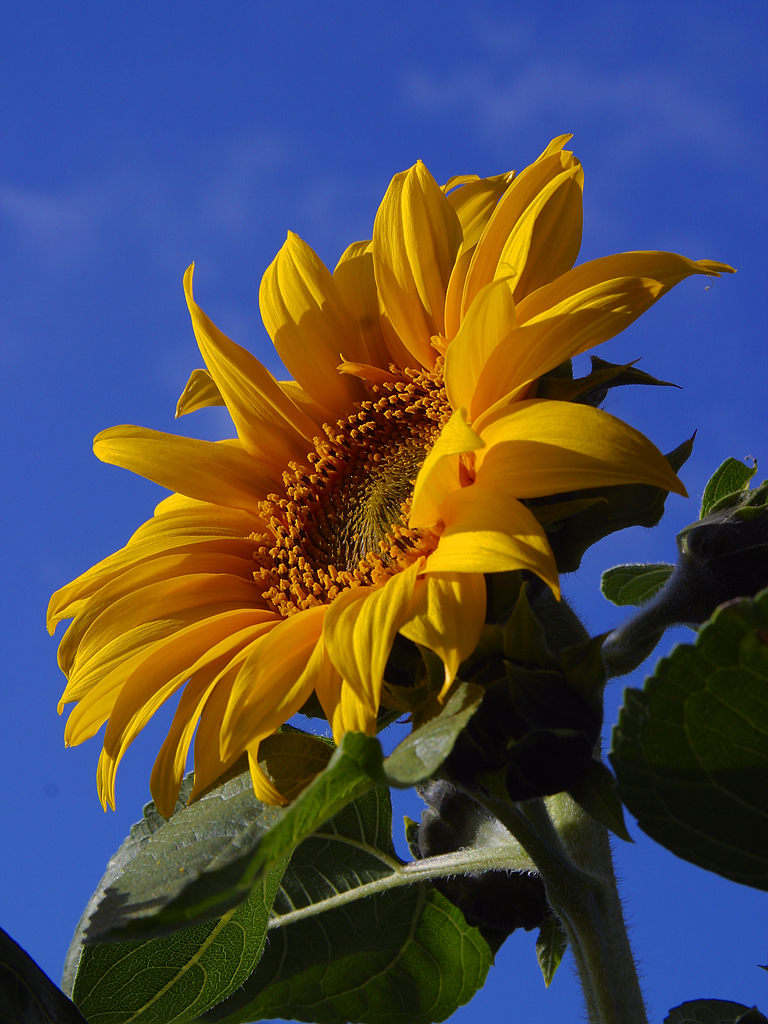 Common sunflowerHelianthus annuus
A tall annual plant grown for its large yellow flower heads and edible seeds
🇨🇦 Canada and 4 more · Wildflower
Common sunflowerHelianthus annuus
A tall annual plant grown for its large yellow flower heads and edible seeds
🇨🇦 Canada and 4 more · Wildflower
 Asteraceae
The vast family of daisies, asters, and sunflowers with star-like flower heads
Asteraceae · Wildflower
Asteraceae
The vast family of daisies, asters, and sunflowers with star-like flower heads
Asteraceae · Wildflower
 DandelionTaraxacum
A yellow-flowered perennial found in fields, lawns, and gardens worldwide
Taraxacum · Wildflower
DandelionTaraxacum
A yellow-flowered perennial found in fields, lawns, and gardens worldwide
Taraxacum · Wildflower
 Dahlia
A bushy perennial with tuberous roots and bright, star-shaped blooms
🇲🇽 Mexico and 1 more · Garden flower
Dahlia
A bushy perennial with tuberous roots and bright, star-shaped blooms
🇲🇽 Mexico and 1 more · Garden flower
More from the United States
All the flowers of the United States PeachPrunus persica
A flowering fruit tree from China, grown for its pink blossoms and sweet fruit
🇨🇳 China and 7 more · Flowering tree
PeachPrunus persica
A flowering fruit tree from China, grown for its pink blossoms and sweet fruit
🇨🇳 China and 7 more · Flowering tree
 AlmondPrunus amygdalus
A Mediterranean tree grown for its fragrant spring flowers and edible seeds
🇮🇷 Iran and 6 more · Flowering tree
AlmondPrunus amygdalus
A Mediterranean tree grown for its fragrant spring flowers and edible seeds
🇮🇷 Iran and 6 more · Flowering tree
 CactusCactaceae
Succulent plants with spines, native to the Americas
🇲🇽 Mexico and 7 more · Wildflower
CactusCactaceae
Succulent plants with spines, native to the Americas
🇲🇽 Mexico and 7 more · Wildflower
 Chrysanthemum菊花
Autumn-blooming flower with thousands of varieties, cherished in East Asia and beyond
🇨🇳 China and 6 more · Wildflower
Chrysanthemum菊花
Autumn-blooming flower with thousands of varieties, cherished in East Asia and beyond
🇨🇳 China and 6 more · Wildflower