
Barberton daisy
Gerbera jamesonii, family Asteraceae
The bright daisy from South Africa, ancestor of all cultivated gerberas
Barberton daisy is a perennial herb native to South Eastern Africa, known for its large and colourful daisy-like flowers. It grows on rocky woodland slopes and is the wild parent of the many gerbera hybrids now popular worldwide as ornamental flowers.
- Native to Mpumalanga, Limpopo, and Eswatini in South Eastern Africa
- Wild parent of all cultivated gerbera hybrids worldwide
- Flowers are usually orange-red, but can also be yellow, white, or pink
- Appears on the flag and coat of arms of Mpumalanga province
- Grows on rocky woodland slopes, often in some shade
What does Barberton daisy look like?
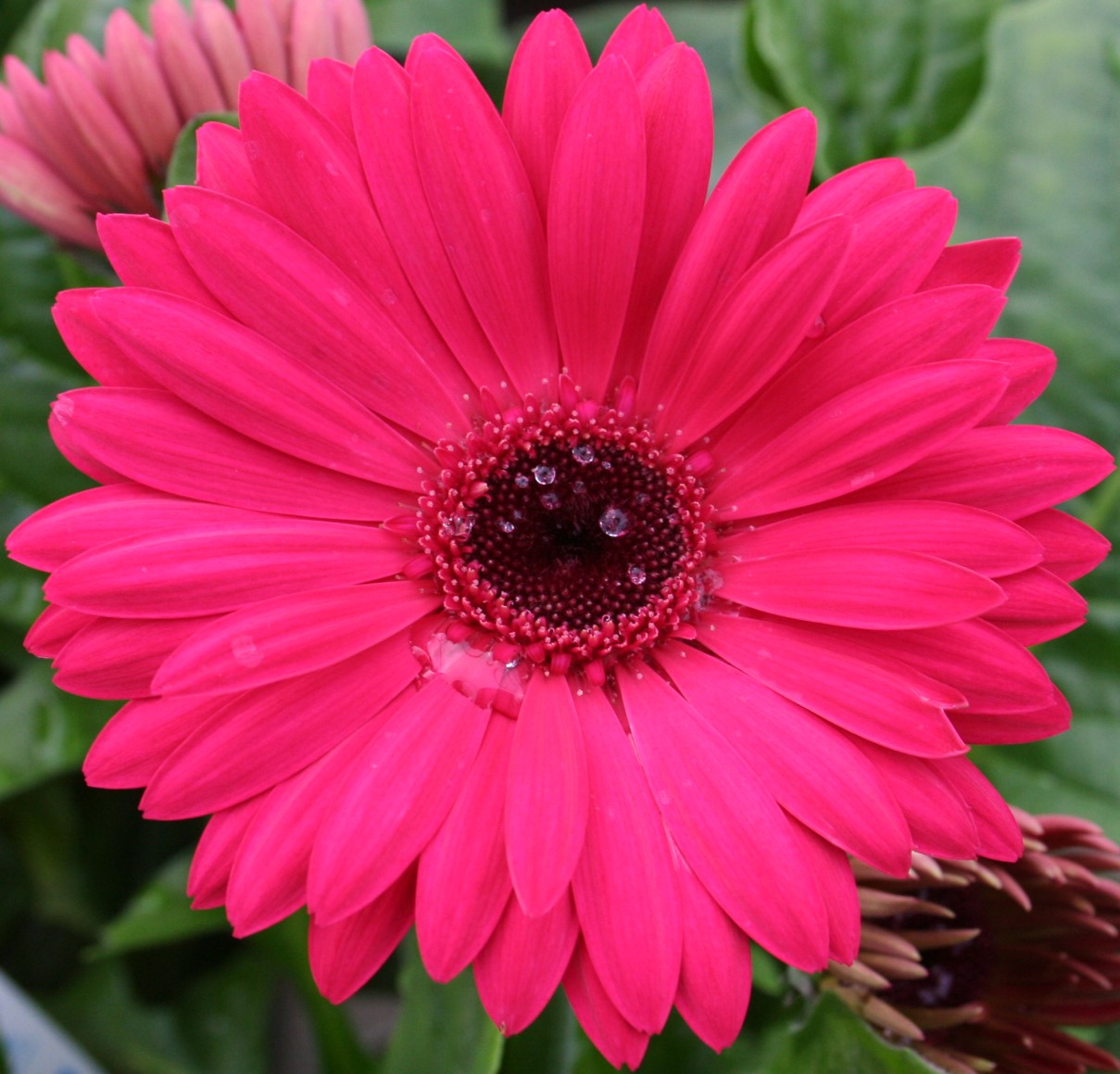
Barberton daisy is a tufted perennial herb with a rosette of deeply lobed leaves, each 15–68 cm long. Its leafless flower stalks can reach up to 75 cm high, topped by a single daisy-like flower head about 4–5 cm across. The most common flower colour is orange-red, but yellow, white, pink, and orange forms also occur. The flowers are made up of many slender ray florets, giving a bright, bold look.
Where does Barberton daisy come from?
This species is native to the rocky woodland slopes of Mpumalanga, Limpopo, and Eswatini in South Eastern Africa. It grows at elevations between 500 and 1670 metres, often in partial shade under trees or bushes. The plant was first described scientifically in the late 19th century, after being collected near Barberton. Its genus was named for the botanist Traugott Gerber, and the species for Robert Jameson, who found it in the wild.
When and how Barberton daisy blooms
Barberton daisy flowers from September to December in its native range. It reproduces asexually and produces seeds with bristles that help them disperse on the wind. The plant is usually grown from seed or by tissue culture. In the wild, it prefers well-drained, rocky soils and some shade. Its flowers are pollinated by bees and other insects.


How Barberton daisy is used
Barberton daisy is the original wild parent of all cultivated gerbera hybrids, which are now major ornamental crops worldwide. The wild species itself is grown in gardens and as a cut flower. In its native region, it is also used as a symbol, appearing on the flag and coat of arms of Mpumalanga province.
Kinds of Barberton daisy
Thousands of gerbera cultivars now exist, most descended from crosses between Barberton daisy and Gerbera viridifolia. Popular cultivated varieties include 'Sazou', 'Sangria', 'Rosalin', 'Pink Elegance', and others, offering a wide range of colours and forms. The wild species, however, is most often orange-red.
What Barberton daisy means
Barberton daisy is an important symbol in South Africa, especially in Mpumalanga where it appears on the provincial flag and coat of arms. As the ancestor of all garden gerberas, it has played a key role in horticulture. Its bright flowers are valued for home decoration and as cut flowers.
Where Barberton daisy is used and seen


Questions people ask about Barberton daisy
Where does Barberton daisy come from?
Barberton daisy is native to the rocky woodland slopes of Mpumalanga and Limpopo in South Africa, and Eswatini. It grows at elevations from 500 to 1670 metres, often in partial shade under trees or bushes.
What does Barberton daisy look like?
It is a tufted perennial with deeply lobed leaves in a rosette and tall, leafless stalks topped by single daisy-like flowers. The flowers are usually orange-red, but can also be yellow, white, or pink, and are about 4–5 cm across.
What is Barberton daisy used for?
Barberton daisy is grown in gardens and as a cut flower. It is the wild ancestor of all cultivated gerbera hybrids, which are now among the most important ornamental flowers worldwide.
Does Barberton daisy have any cultural significance?
Yes, it is a symbol of Mpumalanga province in South Africa, appearing on the provincial flag and coat of arms. It is also valued as the ancestor of all modern gerbera cultivars.
When does Barberton daisy flower?
In its native range in South Africa, Barberton daisy flowers from September to December, which covers the spring and early summer months.
Good reading and sources
- USDA Plants DatabaseUS Department of Agriculture, Article
- Plants of the World OnlineRoyal Botanic Gardens, Kew, Plant database
- Where it has been recordedGBIF, Plant database
- Sightings and photos by naturalistsiNaturalist, Plant database
- Gerbera jamesonii on WikipediaEncyclopedia
- More photos on Wikimedia CommonsPhotos
- Wikidata recordOpen data
The facts on this page come from the Wikipedia article "Gerbera jamesonii", written by its contributors and used under the CC BY-SA 4.0 licence, and from its Wikidata record (CC0). Phool rewrote the text in its own words, with AI assistance, and compares every page with the article to make sure no passage is copied. It may be reused under the same CC BY-SA 4.0 licence with a link back.
It may contain mistakes. It is not medical or foraging advice: many flowers are poisonous, and traditional uses are reported, not recommended. If something is wrong, tell us. Last refreshed 2026-10-03.
Others in the family Asteraceae
The whole family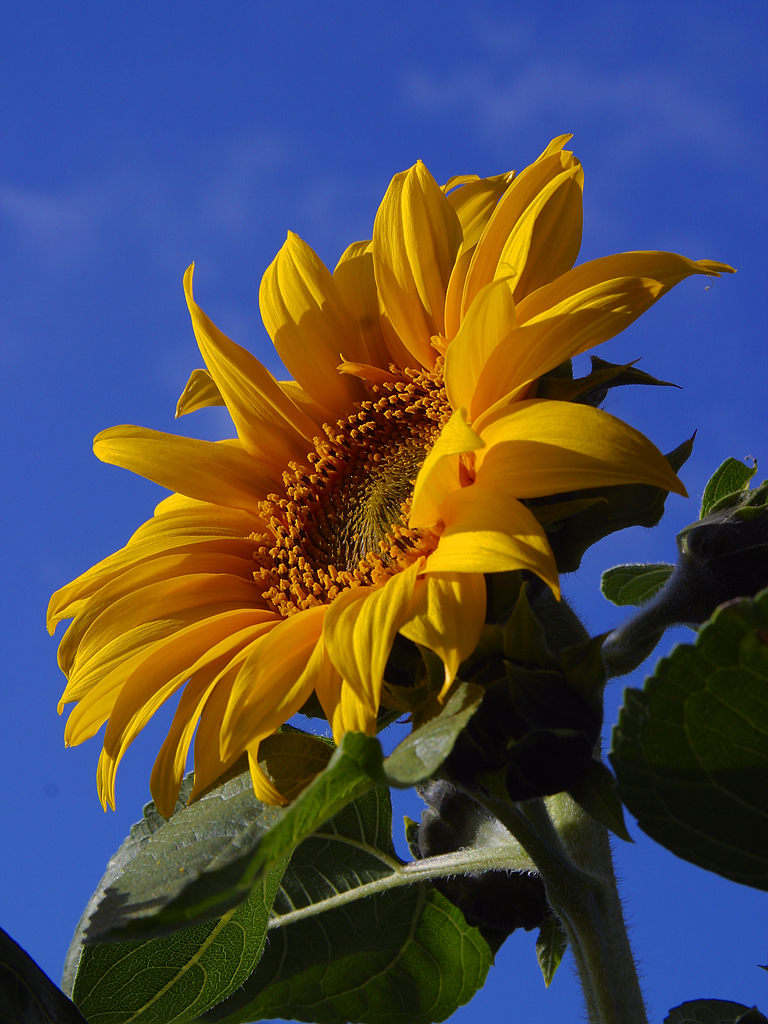 Common sunflowerHelianthus annuus
A tall annual plant grown for its large yellow flower heads and edible seeds
🇨🇦 Canada and 4 more · Wildflower
Common sunflowerHelianthus annuus
A tall annual plant grown for its large yellow flower heads and edible seeds
🇨🇦 Canada and 4 more · Wildflower
 Chrysanthemum菊花
Autumn-blooming flower with thousands of varieties, cherished in East Asia and beyond
🇨🇳 China and 6 more · Wildflower
Chrysanthemum菊花
Autumn-blooming flower with thousands of varieties, cherished in East Asia and beyond
🇨🇳 China and 6 more · Wildflower
 Asteraceae
The vast family of daisies, asters, and sunflowers with star-like flower heads
Asteraceae · Wildflower
Asteraceae
The vast family of daisies, asters, and sunflowers with star-like flower heads
Asteraceae · Wildflower
 DandelionTaraxacum
A yellow-flowered perennial found in fields, lawns, and gardens worldwide
Taraxacum · Wildflower
DandelionTaraxacum
A yellow-flowered perennial found in fields, lawns, and gardens worldwide
Taraxacum · Wildflower
More from South Africa
All the flowers of South Africa Eucalyptus
The tall, aromatic trees and shrubs known as gum trees or eucalypts
🇦🇺 Australia and 7 more · Flowering tree
Eucalyptus
The tall, aromatic trees and shrubs known as gum trees or eucalypts
🇦🇺 Australia and 7 more · Flowering tree
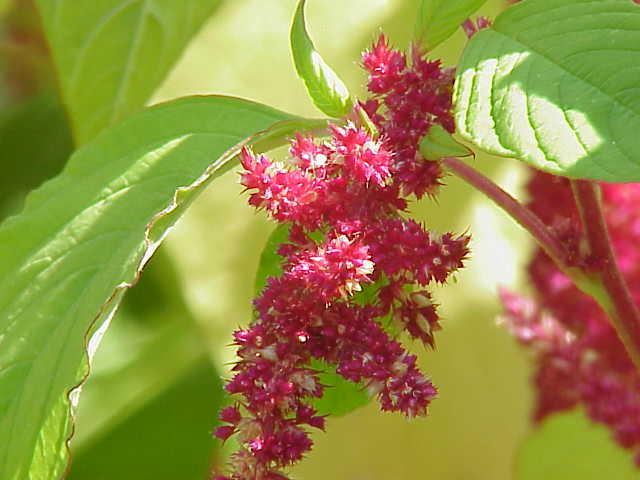 AmaranthAmaranthus
A tall, colourful plant grown for its flowers, leaves and edible seeds
🇲🇽 Mexico and 7 more · Wildflower
AmaranthAmaranthus
A tall, colourful plant grown for its flowers, leaves and edible seeds
🇲🇽 Mexico and 7 more · Wildflower
 Acacia
Shrubs and trees with golden or cream puffball flowers, native mostly to Australia
🇦🇺 Australia and 6 more · Wildflower
Acacia
Shrubs and trees with golden or cream puffball flowers, native mostly to Australia
🇦🇺 Australia and 6 more · Wildflower
 Sensitive PlantMimosa pudica
A touch-sensitive plant whose leaves fold up when disturbed
🇧🇷 Brazil and 8 more · Wildflower
Sensitive PlantMimosa pudica
A touch-sensitive plant whose leaves fold up when disturbed
🇧🇷 Brazil and 8 more · Wildflower