
Gladiolus tristis
A tall, fragrant gladiolus with cream flowers from southern Africa
Gladiolus tristis is a tall flowering plant native to southern Africa, especially South Africa. It grows from a small corm and produces spikes of large, white or cream flowers, sometimes with a scent like carnations and cloves. It is grown in gardens and has spread to Australia and coastal California.
- Native to southern Africa, especially South Africa
- Produces tall spikes with large, cream or white flowers
- Some plants have a scent like carnations and cloves
- Grown as a garden plant and introduced to Australia and California
What does Gladiolus tristis look like?
Gladiolus tristis is a perennial plant that grows from a small corm, usually reaching 0.5 to 1 metre in height, but sometimes up to 1.5 metres. It has three narrow, sheathing leaves. The flower spike carries two to eight large blooms. Each flower has six tepals—petal-like parts—that are white or cream, often with greenish or purplish lines down the middle. Some plants have a scent like carnations and cloves, but not all do.
Where does Gladiolus tristis come from?
This species is native to southern Africa, with a strong presence in South Africa. It has been introduced to other regions, including parts of Australia and coastal California, where it sometimes grows outside gardens. The plant belongs to the Gladiolus group, which is well known for its showy flowers. Its spread beyond Africa is due to its appeal as a garden plant.
When and how Gladiolus tristis blooms
Gladiolus tristis grows from a corm, a swollen underground stem about one or two centimetres wide. It sends up narrow leaves and a tall flower spike. The plant blooms with several large flowers per spike. Gardeners grow it for its attractive flowers and, in some cases, its pleasant scent. It is usually planted in well-drained soil and can be grown from corms.

How Gladiolus tristis is used
People grow Gladiolus tristis mainly as a garden flower, appreciating its tall spikes and, when present, its clove-like fragrance. In some regions outside its native range, it has escaped gardens and grows wild. There is no mention of it being used in ceremonies, food, or medicine in the sources.
Kinds of Gladiolus tristis
Not all Gladiolus tristis plants are fragrant. The presence of scent depends on genetics: the allele for scent is recessive, so only some individuals have the clove and carnation aroma. The flower colour is usually white or cream, with greenish or purplish lines.
What Gladiolus tristis means
Gladiolus tristis is sometimes called the ever-flowering gladiolus or marsh Afrikaner. While it is grown in gardens and valued for its flowers, the sources do not mention any special symbolism, festival, or emblem status. Its main cultural role is as an ornamental plant.
Where Gladiolus tristis is used and seen

Questions people ask about Gladiolus tristis
Where does Gladiolus tristis come from?
Gladiolus tristis is native to southern Africa, with a strong presence in South Africa. It has also been introduced to Australia and coastal California.
What does Gladiolus tristis look like?
It is a tall plant, usually 0.5 to 1 metre high, with spikes of two to eight large, white or cream flowers. The flowers have six tepals and often show greenish or purplish lines.
Does Gladiolus tristis have a scent?
Some Gladiolus tristis plants have a scent similar to carnations and cloves, but not all do. The presence of scent depends on the plant's genetics.
How is Gladiolus tristis used?
It is mainly grown as a garden plant for its attractive flowers and, in some cases, its pleasant fragrance. There is no mention of ceremonial or medicinal uses.
What are other names for Gladiolus tristis?
It is also known as the ever-flowering gladiolus and marsh Afrikaner.
Good reading and sources
- USDA Plants DatabaseUS Department of Agriculture, Article
- Gladiolus tristisRoyal Horticultural Society, Article
- Plants of the World OnlineRoyal Botanic Gardens, Kew, Plant database
- Where it has been recordedGBIF, Plant database
- Sightings and photos by naturalistsiNaturalist, Plant database
- Gladiolus tristis on WikipediaEncyclopedia
- More photos on Wikimedia CommonsPhotos
- Wikidata recordOpen data
The facts on this page come from the Wikipedia article "Gladiolus tristis", written by its contributors and used under the CC BY-SA 4.0 licence, and from its Wikidata record (CC0). Phool rewrote the text in its own words, with AI assistance, and compares every page with the article to make sure no passage is copied. It may be reused under the same CC BY-SA 4.0 licence with a link back.
It may contain mistakes. It is not medical or foraging advice: many flowers are poisonous, and traditional uses are reported, not recommended. If something is wrong, tell us. Last refreshed 2026-10-03.
Others in the family Iridaceae
The whole family Gladiolus
Tall, showy flower spikes grown from corms, known as sword lilies
Gladiolus · Garden flower
Gladiolus
Tall, showy flower spikes grown from corms, known as sword lilies
Gladiolus · Garden flower
 Iris
A large group of perennial flowers with striking, six-lobed blooms
Iris · Wildflower
Iris
A large group of perennial flowers with striking, six-lobed blooms
Iris · Wildflower
 Crocus
Small corm-grown flowers in white, yellow, orange or purple
🇹🇷 Turkey and 7 more · Wildflower
Crocus
Small corm-grown flowers in white, yellow, orange or purple
🇹🇷 Turkey and 7 more · Wildflower
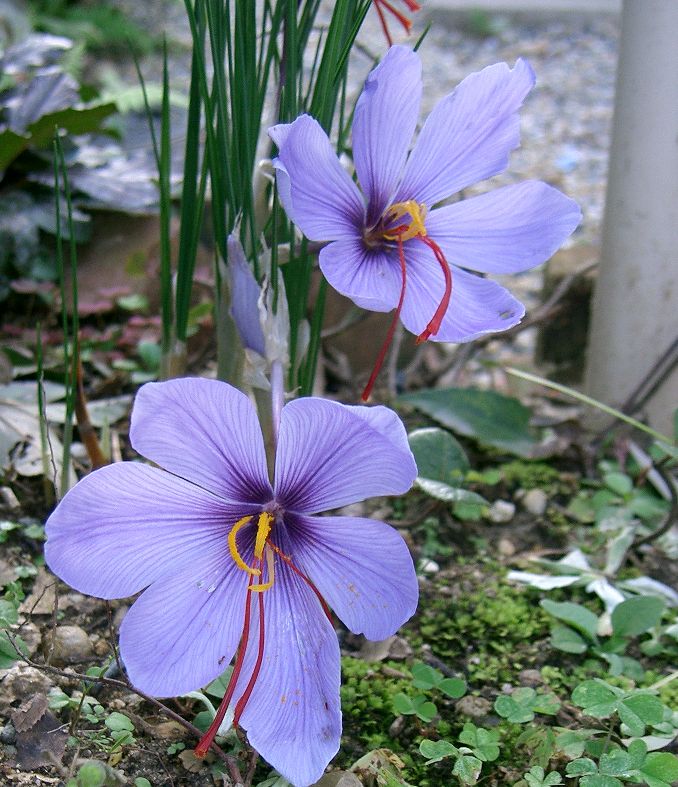 Saffron crocusCrocus sativus
The purple autumn flower whose red stigmas yield the spice saffron
🇨🇳 China and 1 more · Garden flower
Saffron crocusCrocus sativus
The purple autumn flower whose red stigmas yield the spice saffron
🇨🇳 China and 1 more · Garden flower
More from South Africa
All the flowers of South Africa Eucalyptus
The tall, aromatic trees and shrubs known as gum trees or eucalypts
🇦🇺 Australia and 7 more · Flowering tree
Eucalyptus
The tall, aromatic trees and shrubs known as gum trees or eucalypts
🇦🇺 Australia and 7 more · Flowering tree
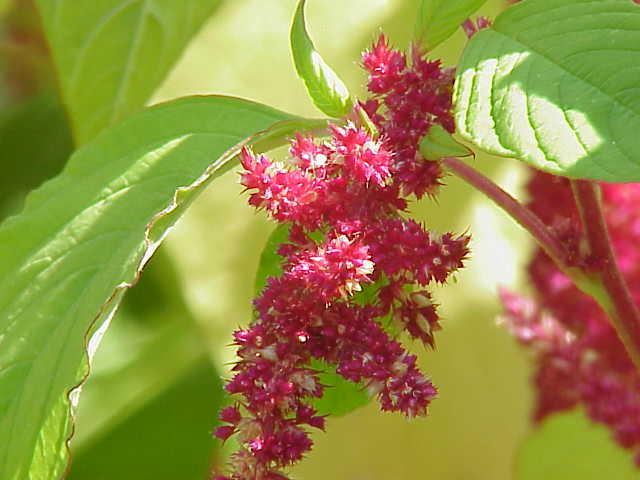 AmaranthAmaranthus
A tall, colourful plant grown for its flowers, leaves and edible seeds
🇲🇽 Mexico and 7 more · Wildflower
AmaranthAmaranthus
A tall, colourful plant grown for its flowers, leaves and edible seeds
🇲🇽 Mexico and 7 more · Wildflower
 Acacia
Shrubs and trees with golden or cream puffball flowers, native mostly to Australia
🇦🇺 Australia and 6 more · Wildflower
Acacia
Shrubs and trees with golden or cream puffball flowers, native mostly to Australia
🇦🇺 Australia and 6 more · Wildflower
 Sensitive PlantMimosa pudica
A touch-sensitive plant whose leaves fold up when disturbed
🇧🇷 Brazil and 8 more · Wildflower
Sensitive PlantMimosa pudica
A touch-sensitive plant whose leaves fold up when disturbed
🇧🇷 Brazil and 8 more · Wildflower