
Gypsophila
A group of delicate, small-flowered plants known as baby's-breath
Gypsophila is a large genus in the carnation family, with about 150 species of annuals and perennials. These plants are recognized for their tiny white or pink flowers and are widely used in bouquets, food, and traditional crafts, especially in regions such as Turkey and Iran.
- Turkey has about 35 Gypsophila species found only there
- Gypsophila paniculata is widely used in flower arrangements
- Some species are ingredients in desserts and foods
- The genus name means 'gypsum-loving' in Greek
What does Gypsophila look like?
Gypsophila plants can be annual or perennial, growing as upright, creeping, or cushion-like forms. Their flowers are tiny, usually white or pink, and are grouped in loose or dense clusters. Each bloom has five petals and sits in a small green cup of sepals. The fruit is a rounded capsule filled with small, kidney- or snail-shaped seeds.
Where does Gypsophila come from?
Gypsophila species are found mainly in the temperate mountain steppes of the Old World, with the greatest variety in the Irano-Turanian region. Turkey is especially rich in native species, with many found nowhere else. The name Gypsophila comes from Greek, meaning 'gypsum-loving', as some species grow in soils rich in gypsum.
When and how Gypsophila blooms
Gypsophila flowers at different times depending on the species and region. They grow best in open, often rocky or steppe habitats, and some prefer soils with high mineral content. Most are grown from seed and can be found both in the wild and in gardens. Some species are cultivated for floristry and food.


How Gypsophila is used
Florists often use Gypsophila, especially G. paniculata, in bouquets and arrangements for its airy sprays of small flowers. In Turkey, certain species are used to make desserts like kerebiç, and the plant provides saponins for soap and other products. Some species are also used in traditional medicine and as a food ingredient in liqueurs, cheese, and ice cream.
Kinds of Gypsophila
The genus includes about 150 species, showing a wide range of forms. Some, like G. paniculata and G. elegans, are popular as cut flowers. Others, such as G. simonii, are native to Turkey. G. muralis, once included here, is now placed in a different genus.
What Gypsophila means
Gypsophila is valued in floristry for its light, cloud-like clusters. In Turkey, it has culinary and craft uses, including as a foam topping for desserts. Some species are considered weeds when they spread outside their native areas, especially G. paniculata, which can crowd out local plants.
Where to see Gypsophila
 🇲🇽 Oaxaca · Oct to NovBuilding a Day of the Dead altar in OaxacaBuy marigolds at the market and help dress an ofrenda, the home altar that welcomes the dead in early November.
 🇪🇨 Cayambe · All yearThe rose farms of CayambeA valley on the equator north of Quito where roses grow slowly at altitude into very long stems with large heads.
Questions people ask about Gypsophila
Where does Gypsophila come from?
Gypsophila grows mainly in temperate mountain steppes of the Old World, with the greatest diversity in Turkey and the Irano-Turanian region. Some species are also native to Africa, Australia, and the Pacific Islands.
What does Gypsophila look like?
Gypsophila plants have small white or pink flowers, usually grouped in airy clusters. They can be upright, creeping, or cushion-forming, with each flower having five petals.
How is Gypsophila used?
It is popular in floral arrangements, especially as baby's-breath. In Turkey, some species are used in desserts and as a source of saponins for soap and other products.
Is Gypsophila important in any culture?
Gypsophila is widely used in floristry and has culinary and craft uses in Turkey. It is also sometimes considered a weed when it spreads outside its native range.
Good reading and sources
- Encyclopaedia BritannicaArticle
- USDA Plants DatabaseUS Department of Agriculture, Article
- Plants of the World OnlineRoyal Botanic Gardens, Kew, Plant database
- Where it has been recordedGBIF, Plant database
- Sightings and photos by naturalistsiNaturalist, Plant database
The facts on this page come from the Wikipedia article "Gypsophila", written by its contributors and used under the CC BY-SA 4.0 licence, and from its Wikidata record (CC0). Phool rewrote the text in its own words, with AI assistance, and compares every page with the article to make sure no passage is copied. It may be reused under the same CC BY-SA 4.0 licence with a link back.
It may contain mistakes. It is not medical or foraging advice: many flowers are poisonous, and traditional uses are reported, not recommended. If something is wrong, tell us. Last refreshed 2026-10-03.
Others in the family Caryophyllaceae
The whole family Dianthus
A group of frilled, often pink, flowers grown in gardens and bouquets worldwide
Dianthus · Wildflower
CarnationDianthus caryophyllus
A fragrant flower with ruffled petals, grown worldwide for decoration and meaning
🇨🇳 China and 7 more · Garden flower
Dianthus
A group of frilled, often pink, flowers grown in gardens and bouquets worldwide
Dianthus · Wildflower
CarnationDianthus caryophyllus
A fragrant flower with ruffled petals, grown worldwide for decoration and meaning
🇨🇳 China and 7 more · Garden flower
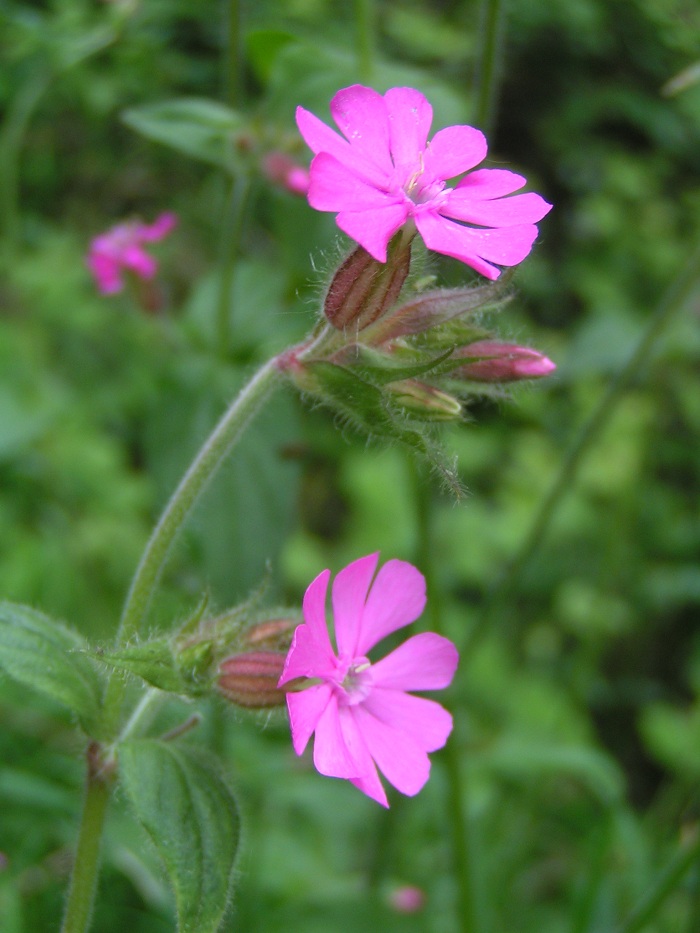 Red campionSilene dioica
A wild pink-red flower of woods and roadsides in northern and central Europe
🇮🇪 Ireland and 4 more · Wildflower
Red campionSilene dioica
A wild pink-red flower of woods and roadsides in northern and central Europe
🇮🇪 Ireland and 4 more · Wildflower
 Baby's breathGypsophila paniculata
A cloud of tiny white summer flowers used in bouquets and gardens
🇨🇳 China and 4 more · Herb or useful flower
Baby's breathGypsophila paniculata
A cloud of tiny white summer flowers used in bouquets and gardens
🇨🇳 China and 4 more · Herb or useful flower
More from Turkey
All the flowers of Turkey PeachPrunus persica
A flowering fruit tree from China, grown for its pink blossoms and sweet fruit
🇨🇳 China and 7 more · Flowering tree
PeachPrunus persica
A flowering fruit tree from China, grown for its pink blossoms and sweet fruit
🇨🇳 China and 7 more · Flowering tree
 PomegranatePunica granatum
A shrub with bright red flowers and a fruit full of edible seeds
🇮🇷 Iran and 9 more · Flowering shrub
PomegranatePunica granatum
A shrub with bright red flowers and a fruit full of edible seeds
🇮🇷 Iran and 9 more · Flowering shrub
 TulipTulipa
Spring-blooming bulbs with showy, cup-shaped flowers in many colours
🇳🇱 Netherlands and 7 more · Wildflower
TulipTulipa
Spring-blooming bulbs with showy, cup-shaped flowers in many colours
🇳🇱 Netherlands and 7 more · Wildflower
 Sour cherryPrunus cerasus
The small, tart cherry tree grown for its sour red fruit
🇹🇷 Turkey and 7 more · Flowering tree
Sour cherryPrunus cerasus
The small, tart cherry tree grown for its sour red fruit
🇹🇷 Turkey and 7 more · Flowering tree