
Helichrysum
A large group of daisy-like flowers known for their lasting dried blooms
Helichrysum is a genus of about 600 flowering plants in the sunflower family, found mainly in Africa, Madagascar, Australasia, and Eurasia. These plants are grown for their colourful, daisy-like flowers that keep their shape and colour when dried, making them popular for dried arrangements and essential oils.
- Helichrysum includes about 600 species in the sunflower family.
- Its flowers keep their colour and shape when dried.
- The genus is especially diverse in South Africa.
- Helichrysum italicum is used for essential oil in perfumes.
- The flowers come in almost every colour except blue.
What does Helichrysum look like?
Helichrysum plants can be annuals, perennials, or shrubs, usually growing 60–90 cm tall. Their leaves are oblong to lance-shaped, flat, and softly hairy. The flower heads look like small daisies and come in nearly every colour except blue, often forming flat-topped clusters. The bracts around the flowers are papery, which helps them keep their colour and shape when dried. Some species have a sweet, honey-like scent.
Where does Helichrysum come from?
Helichrysum grows wild across Africa, especially South Africa, as well as Madagascar, Australasia, and parts of Eurasia. The genus name comes from Greek words for 'sun' and 'gold.' Over time, botanists have moved some species to other genera as the group is very diverse and its classification is still debated. Many species from Australia and other regions have been reclassified as Xerochrysum, Chrysocephalum, and other related genera.
When and how Helichrysum blooms
Helichrysum flowers bloom on their own in the wild or are grown in gardens for their lasting blooms. For dried arrangements, the flowers are cut while young and left to dry, which preserves their colour and shape. Some species, like Helichrysum italicum, are harvested and steam distilled to make essential oils used in fragrances.


How Helichrysum is used
People grow Helichrysum for ornamental use in gardens and for making dried flower arrangements. The papery flowers are valued because they keep their appearance for a long time after drying. Essential oil from Helichrysum italicum is used in perfumes for its unique, sweet scent. Some species also serve as food for the larvae of certain moths and butterflies.
Kinds of Helichrysum
There are about 600 species in the Helichrysum genus, with many forms and flower colours. Some well-known species have been moved to other genera, such as Xerochrysum in Australia. Botanists have divided the group into several smaller groups, but the overall classification remains unsettled.
What Helichrysum means
Helichrysum is often called 'everlasting' or 'immortelle' because its dried flowers last so long. The flowers are popular in dried arrangements and crafts. The essential oil from some species is prized in perfumery. The genus is especially diverse in South Africa, where it is a notable part of the local flora.
Where Helichrysum is used and seen


Questions people ask about Helichrysum
Where does Helichrysum come from?
Helichrysum grows wild in Africa, especially South Africa, as well as Madagascar, Australasia, and Eurasia. It is most diverse in South Africa, with many species also found in Australia and Madagascar.
What does Helichrysum look like?
Helichrysum plants can be annuals, perennials, or shrubs, with daisy-like flower heads in many colours except blue. The flowers are papery and keep their colour and shape when dried.
What is Helichrysum used for?
Helichrysum is grown as an ornamental plant and for dried flower arrangements. Some species, like Helichrysum italicum, are used to make essential oils for perfumes.
Why are Helichrysum flowers called 'everlasting'?
They are called 'everlasting' or 'immortelle' because their papery flowers keep their colour and shape for a long time after drying, making them popular in dried arrangements.
Are there different types of Helichrysum?
Yes, there are about 600 species with a wide range of forms and colours. Some species have been reclassified into other genera as botanists study their relationships.
Good reading and sources
- Encyclopaedia BritannicaArticle
- USDA Plants DatabaseUS Department of Agriculture, Article
- Plants of the World OnlineRoyal Botanic Gardens, Kew, Plant database
- Where it has been recordedGBIF, Plant database
- Sightings and photos by naturalistsiNaturalist, Plant database
The facts on this page come from the Wikipedia article "Helichrysum", written by its contributors and used under the CC BY-SA 4.0 licence, and from its Wikidata record (CC0). Phool rewrote the text in its own words, with AI assistance, and compares every page with the article to make sure no passage is copied. It may be reused under the same CC BY-SA 4.0 licence with a link back.
It may contain mistakes. It is not medical or foraging advice: many flowers are poisonous, and traditional uses are reported, not recommended. If something is wrong, tell us. Last refreshed 2026-10-03.
Others in the family Asteraceae
The whole family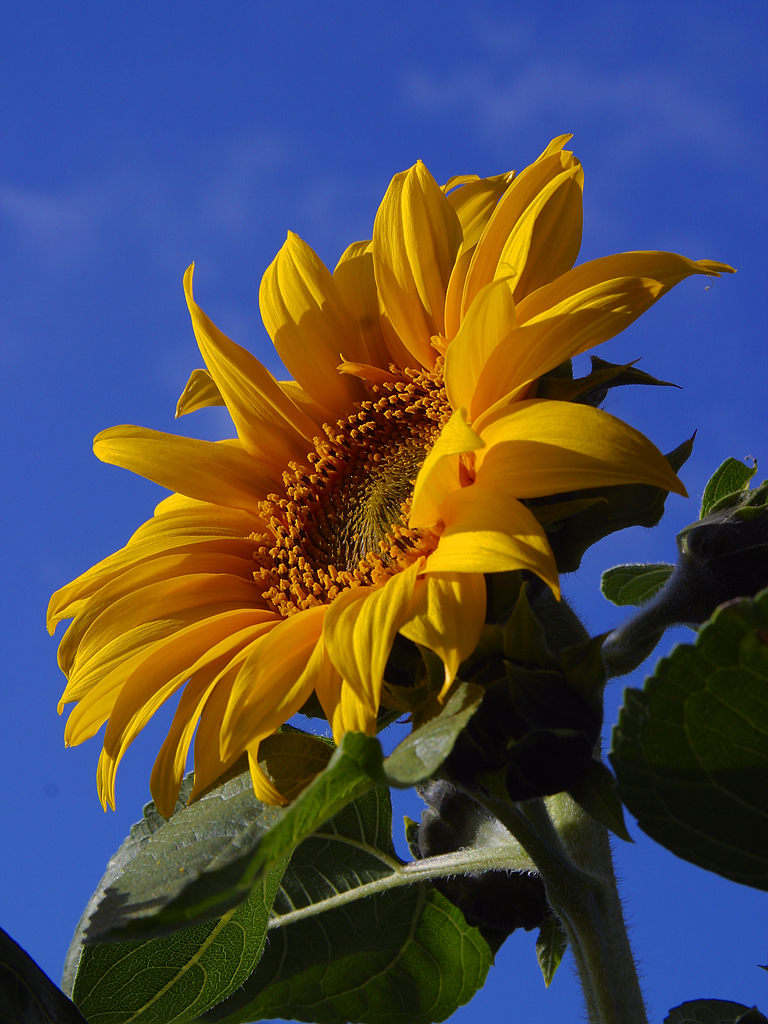 Common sunflowerHelianthus annuus
A tall annual plant grown for its large yellow flower heads and edible seeds
🇨🇦 Canada and 4 more · Wildflower
Common sunflowerHelianthus annuus
A tall annual plant grown for its large yellow flower heads and edible seeds
🇨🇦 Canada and 4 more · Wildflower
 Chrysanthemum菊花
Autumn-blooming flower with thousands of varieties, cherished in East Asia and beyond
🇨🇳 China and 6 more · Wildflower
Chrysanthemum菊花
Autumn-blooming flower with thousands of varieties, cherished in East Asia and beyond
🇨🇳 China and 6 more · Wildflower
 Asteraceae
The vast family of daisies, asters, and sunflowers with star-like flower heads
Asteraceae · Wildflower
Asteraceae
The vast family of daisies, asters, and sunflowers with star-like flower heads
Asteraceae · Wildflower
 DandelionTaraxacum
A yellow-flowered perennial found in fields, lawns, and gardens worldwide
Taraxacum · Wildflower
DandelionTaraxacum
A yellow-flowered perennial found in fields, lawns, and gardens worldwide
Taraxacum · Wildflower
More from South Africa
All the flowers of South Africa Eucalyptus
The tall, aromatic trees and shrubs known as gum trees or eucalypts
🇦🇺 Australia and 7 more · Flowering tree
Eucalyptus
The tall, aromatic trees and shrubs known as gum trees or eucalypts
🇦🇺 Australia and 7 more · Flowering tree
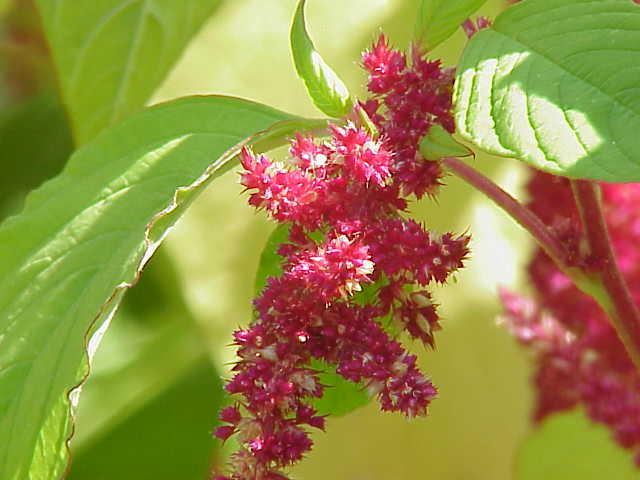 AmaranthAmaranthus
A tall, colourful plant grown for its flowers, leaves and edible seeds
🇲🇽 Mexico and 7 more · Wildflower
AmaranthAmaranthus
A tall, colourful plant grown for its flowers, leaves and edible seeds
🇲🇽 Mexico and 7 more · Wildflower
 Acacia
Shrubs and trees with golden or cream puffball flowers, native mostly to Australia
🇦🇺 Australia and 6 more · Wildflower
Acacia
Shrubs and trees with golden or cream puffball flowers, native mostly to Australia
🇦🇺 Australia and 6 more · Wildflower
 Sensitive PlantMimosa pudica
A touch-sensitive plant whose leaves fold up when disturbed
🇧🇷 Brazil and 8 more · Wildflower
Sensitive PlantMimosa pudica
A touch-sensitive plant whose leaves fold up when disturbed
🇧🇷 Brazil and 8 more · Wildflower