
Hosta
Shade-loving perennial with bold leaves and summer flower spikes
Hosta is a group of perennial plants grown for their broad, often variegated leaves and upright flower stalks. Native to northeast Asia, hostas thrive in shady spots and are valued in gardens for their foliage, with flowers in white, lavender, or violet. Some kinds are eaten in Asia, but all parts can be harmful to pets.
- Hostas are native to northeast Asia, including Japan and China
- They are prized for their shade-tolerant, decorative foliage
- Some hosta species are eaten as vegetables in Asia
- All parts can be toxic to pets if consumed in large amounts
- Over 7,000 hosta cultivars are registered worldwide
What does Hosta look like?
Hostas are perennial plants with thick, fleshy roots and large leaves that can be lance-shaped or oval. Leaf size varies widely, from tiny miniatures to clumps over a meter across. Wild hostas usually have green leaves, but some show blue or yellow tones, and many garden types have leaves edged or centered with white or cream. Their flowers grow on tall stalks above the leaves, shaped like small bells, and come in shades of white, lavender, or violet. Most flowers have little or no scent, except for Hosta plantaginea, which is fragrant.
Where does Hosta come from?
Hostas come from northeast Asia, including China, Japan, Korea, and parts of Russia. The plants were named by Leopold Trattinnick in 1812 for Nicholas Thomas Host, an Austrian botanist. Another name, Funkia, honors Heinrich Christian Funck and appears in older texts. Most hostas found in gardens today trace their roots to Japanese species brought to Europe in the 1800s. New types have also been found in Korea. Over time, gardeners have bred many hybrids and cultivars for different leaf shapes and colors.
When and how Hosta blooms
Hostas grow from rhizomes and are long-lived perennials. They prefer shady, moist spots and are hardy in a wide range of climates. Plants bloom in summer, sending up flower stalks that rise above the leaves. Gardeners often choose hostas for their foliage, especially those with variegated or unusual colors. Many named varieties have been registered, and new ones continue to be developed through hybridization.


How Hosta is used
Hostas are mainly grown for their decorative leaves in gardens and shady borders. In some Asian countries, people eat the shoots and leaves as a vegetable. All parts of the plant, however, can be poisonous to dogs, cats, and horses if eaten in large amounts. Hostas are also displayed at flower shows and are popular with collectors.
Kinds of Hosta
There are about 45 species of hosta, with many more named cultivars. Some well-known types include 'Francee' with white-edged leaves, 'Gold Standard' with yellow centers, and 'Sum and Substance', which is very large and chartreuse-yellow. Hosta plantaginea stands out for its fragrant white flowers. Miniature varieties and those with blue or gold leaves are also popular. The American Hosta Society recognizes thousands of cultivars.
What Hosta means
Hostas are a staple in shade gardens and have a strong following among plant enthusiasts. They are featured in display gardens and at major flower shows such as the Chelsea Flower Show. While not tied to specific festivals or religious practices, their wide range of forms and colors makes them favorites for collectors and garden designers. In Asia, their use as food is part of local tradition, but in the West, they are mainly ornamental.
Where Hosta is used and seen

Questions people ask about Hosta
Where do hostas come from?
Hostas originate in northeast Asia, especially Japan, China, Korea, and parts of Russia. Most garden varieties were introduced to Europe from Japan in the 19th century.
What do hostas look like?
Hostas have large, often oval or lance-shaped leaves that can be green, blue, yellow, or variegated. Their flowers grow on tall stalks and are usually white, lavender, or violet.
Are hostas edible?
In some Asian cultures, young hosta shoots and leaves are eaten as a vegetable. However, all parts of the plant can be toxic to pets like dogs and cats if eaten in large quantities.
Why are hostas popular in gardens?
Hostas are valued for their bold, attractive foliage and ability to thrive in shady areas. They come in many sizes and colors, making them versatile for garden design.
Do hostas have any special meaning or symbolism?
Hostas are not strongly linked to symbolism or religious practice, but they are appreciated for their beauty and variety in gardens and are popular with collectors.
Good reading and sources
- Encyclopaedia BritannicaArticle
- Hosta 'Blue Angel' (_sieboldiana_)Royal Horticultural Society, Article
- USDA Plants DatabaseUS Department of Agriculture, Article
- Plants of the World OnlineRoyal Botanic Gardens, Kew, Plant database
- Where it has been recordedGBIF, Plant database
- Sightings and photos by naturalistsiNaturalist, Plant database
The facts on this page come from the Wikipedia article "Hosta", written by its contributors and used under the CC BY-SA 4.0 licence, and from its Wikidata record (CC0). Phool rewrote the text in its own words, with AI assistance, and compares every page with the article to make sure no passage is copied. It may be reused under the same CC BY-SA 4.0 licence with a link back.
It may contain mistakes. It is not medical or foraging advice: many flowers are poisonous, and traditional uses are reported, not recommended. If something is wrong, tell us. Last refreshed 2026-10-03.
Others in the family Asparagaceae
The whole family Lily-of-the-valleyConvallaria majalis
A woodland plant with sweet-scented white bell flowers in late spring
🇫🇮 Finland and 4 more · Wildflower
Lily-of-the-valleyConvallaria majalis
A woodland plant with sweet-scented white bell flowers in late spring
🇫🇮 Finland and 4 more · Wildflower
 HyacinthHyacinthus
A spring-blooming bulb with fragrant, colourful flower spikes
🇹🇷 Turkey and 7 more · Bulb flower
HyacinthHyacinthus
A spring-blooming bulb with fragrant, colourful flower spikes
🇹🇷 Turkey and 7 more · Bulb flower
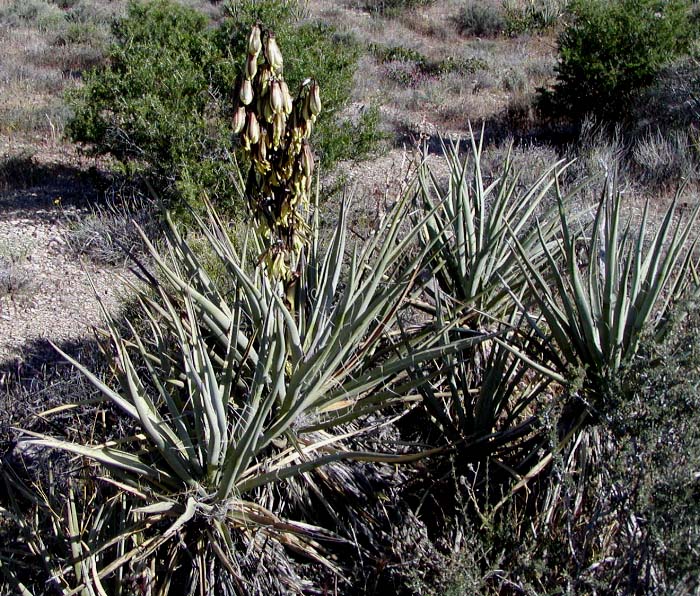 Yucca
Dry-climate plants with pointed leaves and clusters of creamy white flowers
🇲🇽 Mexico and 4 more · Wildflower
Yucca
Dry-climate plants with pointed leaves and clusters of creamy white flowers
🇲🇽 Mexico and 4 more · Wildflower
 Ornithogalum thyrsoides
A white, long-lasting bulb flower from South Africa’s Cape Province
🇿🇦 South Africa · Bulb flower
Ornithogalum thyrsoides
A white, long-lasting bulb flower from South Africa’s Cape Province
🇿🇦 South Africa · Bulb flower
More from Japan
All the flowers of Japan PeachPrunus persica
A flowering fruit tree from China, grown for its pink blossoms and sweet fruit
🇨🇳 China and 7 more · Flowering tree
PeachPrunus persica
A flowering fruit tree from China, grown for its pink blossoms and sweet fruit
🇨🇳 China and 7 more · Flowering tree
 Chrysanthemum菊花
Autumn-blooming flower with thousands of varieties, cherished in East Asia and beyond
🇨🇳 China and 6 more · Wildflower
Chrysanthemum菊花
Autumn-blooming flower with thousands of varieties, cherished in East Asia and beyond
🇨🇳 China and 6 more · Wildflower
 Sacred lotusNelumbo nucifera
The pink aquatic flower sacred in Asia and grown for food, worship and beauty
🇮🇳 India and 7 more · Water flower
Sacred lotusNelumbo nucifera
The pink aquatic flower sacred in Asia and grown for food, worship and beauty
🇮🇳 India and 7 more · Water flower
 Wild cherryPrunus avium
A tall flowering tree native to Europe, grown for its sweet fruit and spring blossom
🇮🇹 Italy and 6 more · Flowering tree
Wild cherryPrunus avium
A tall flowering tree native to Europe, grown for its sweet fruit and spring blossom
🇮🇹 Italy and 6 more · Flowering tree