
Ixia
Star-shaped flowers from the Cape Provinces of South Africa
Ixia is a group of corm plants from western South Africa, known for their star-shaped blooms on wiry stems. Often called African corn lilies, they are grown as ornamentals and attract insects like bees. Their flowers have a light scent and are valued in gardens for their unique look.
- Native only to the Cape Provinces of western South Africa
- Known for star-shaped flowers on wiry stems
- Lightly fragrant blooms attract bees
- Grown as ornamental plants in gardens
What does Ixia look like?
Ixia plants grow from corms and have slender, sword-like leaves. Their wiry stems hold clusters of star-shaped flowers, which can come in a range of colours, though the sources do not specify which. The flowers are not strongly scented but do have a light fragrance. These blooms are often visited by insects, especially bees, making them lively additions to gardens.
Where does Ixia come from?
Ixia is native and restricted to the Cape Provinces in western South Africa. The genus name comes from an ancient Greek word for a different plant, the pine thistle, though the two are unrelated. Ixia has developed in the unique climate and soils of this region, and its many species are adapted to local conditions.
When and how Ixia blooms
Ixia grows from corms, which are swollen underground stems. The plants prefer well-drained soil and are typically grown as ornamentals in gardens. They send up wiry stems topped with star-shaped flowers. The exact flowering season is not given, but they are suited to the climate of their native Cape region.
How Ixia is used
People mainly grow Ixia as ornamental plants in gardens, where their star-shaped flowers and wiry stems add interest. The flowers are lightly fragrant and attract bees and other insects, making them valued for both their looks and their role in supporting pollinators.
Kinds of Ixia
There are many species of Ixia, including Ixia maculata, Ixia polystachya, and Ixia viridiflora, among others. Some species have recognized varieties, showing a range of forms and possibly colours. The genus is diverse, with each species adapted to specific habitats within the Cape region.
What Ixia means
Ixia is not noted as a symbol or emblem in the sources, but it is valued in gardens for its unique star-shaped flowers and its ability to attract bees. Its name reflects a link to ancient Greek plant names, though it is not related to those plants. The genus is an example of the rich plant diversity of South Africa’s Cape Provinces.
Questions people ask about Ixia
Where does Ixia come from?
Ixia is native to the Cape Provinces in western South Africa and is not found growing wild outside this region.
What does the Ixia flower look like?
Ixia flowers are star-shaped and grow on long, wiry stems above sword-like leaves. The sources do not specify the colours, but the flowers are known for their distinct shape.
Is Ixia grown for any special use?
Ixia is mainly grown as an ornamental plant in gardens, valued for its unique flowers and its ability to attract bees and other insects.
Does Ixia have a scent?
The flowers of Ixia have a light fragrance, not very intense, making them pleasant but not overpowering in gardens.
What does the name Ixia mean?
The name Ixia comes from an ancient Greek word for the pine thistle, a plant unrelated to this genus.
Good reading and sources
- USDA Plants DatabaseUS Department of Agriculture, Article
- Plants of the World OnlineRoyal Botanic Gardens, Kew, Plant database
- Where it has been recordedGBIF, Plant database
- Sightings and photos by naturalistsiNaturalist, Plant database
The facts on this page come from the Wikipedia article "Ixia", written by its contributors and used under the CC BY-SA 4.0 licence, and from its Wikidata record (CC0). Phool rewrote the text in its own words, with AI assistance, and compares every page with the article to make sure no passage is copied. It may be reused under the same CC BY-SA 4.0 licence with a link back.
It may contain mistakes. It is not medical or foraging advice: many flowers are poisonous, and traditional uses are reported, not recommended. If something is wrong, tell us. Last refreshed 2026-10-03.
Others in the family Iridaceae
The whole family Gladiolus
Tall, showy flower spikes grown from corms, known as sword lilies
Gladiolus · Garden flower
Gladiolus
Tall, showy flower spikes grown from corms, known as sword lilies
Gladiolus · Garden flower
 Iris
A large group of perennial flowers with striking, six-lobed blooms
Iris · Wildflower
Iris
A large group of perennial flowers with striking, six-lobed blooms
Iris · Wildflower
 Crocus
Small corm-grown flowers in white, yellow, orange or purple
🇹🇷 Turkey and 7 more · Wildflower
Crocus
Small corm-grown flowers in white, yellow, orange or purple
🇹🇷 Turkey and 7 more · Wildflower
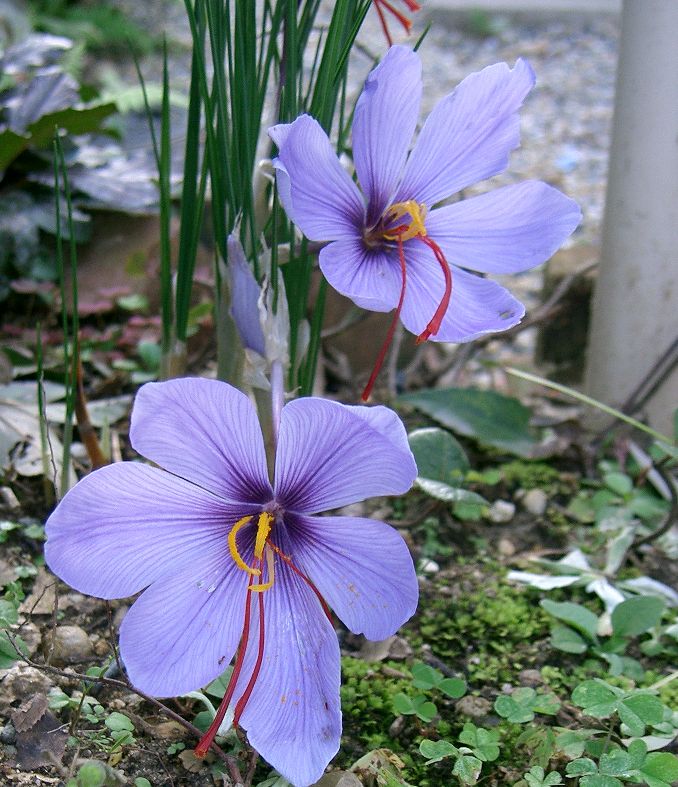 Saffron crocusCrocus sativus
The purple autumn flower whose red stigmas yield the spice saffron
🇨🇳 China and 1 more · Garden flower
Saffron crocusCrocus sativus
The purple autumn flower whose red stigmas yield the spice saffron
🇨🇳 China and 1 more · Garden flower
More from South Africa
All the flowers of South Africa Eucalyptus
The tall, aromatic trees and shrubs known as gum trees or eucalypts
🇦🇺 Australia and 7 more · Flowering tree
Eucalyptus
The tall, aromatic trees and shrubs known as gum trees or eucalypts
🇦🇺 Australia and 7 more · Flowering tree
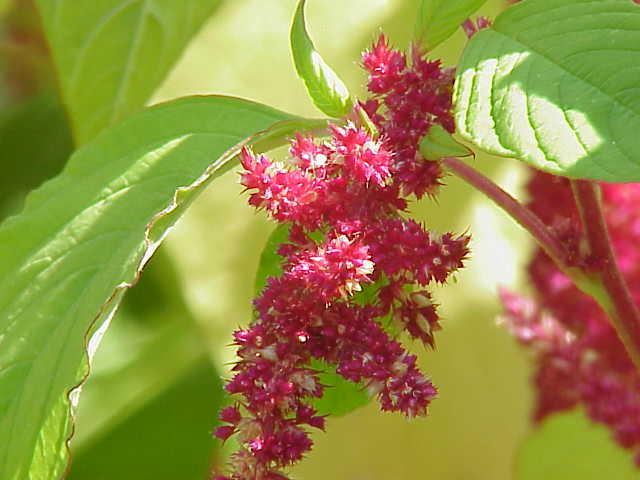 AmaranthAmaranthus
A tall, colourful plant grown for its flowers, leaves and edible seeds
🇲🇽 Mexico and 7 more · Wildflower
AmaranthAmaranthus
A tall, colourful plant grown for its flowers, leaves and edible seeds
🇲🇽 Mexico and 7 more · Wildflower
 Acacia
Shrubs and trees with golden or cream puffball flowers, native mostly to Australia
🇦🇺 Australia and 6 more · Wildflower
Acacia
Shrubs and trees with golden or cream puffball flowers, native mostly to Australia
🇦🇺 Australia and 6 more · Wildflower
 Sensitive PlantMimosa pudica
A touch-sensitive plant whose leaves fold up when disturbed
🇧🇷 Brazil and 8 more · Wildflower
Sensitive PlantMimosa pudica
A touch-sensitive plant whose leaves fold up when disturbed
🇧🇷 Brazil and 8 more · Wildflower