
Goldfields
Lasthenia, family Asteraceae
Small yellow wildflowers found in meadows and coastal areas
Goldfields are a group of mostly annual wildflowers in the daisy family, known for their bright yellow blooms. Native mainly to California and parts of North America, with one species in Chile, they grow in open, often dry places and are valued as tough garden plants and for their role in local habitats.
- Most goldfields species are native to California
- Their flowers are bright yellow and daisy-like
- One species grows only in Chile
- Some types are endangered and protected
- They attract insects for pollination
What does Goldfields look like?
Goldfields are low-growing herbs, usually less than 60 cm tall, with slender, branching stems. Their leaves are arranged in pairs, up to 20 cm long, and have a simple edge with a feather-like vein pattern. The flower heads are small and bright yellow, each with a ring of yellow petal-like rays around a center of tiny yellow disk florets. The plants may be smooth or covered in fine hairs. Their fruits are small, dark, and shaped like tiny cylinders or eggs.
Where does Goldfields come from?
Most goldfields grow wild in California and nearby parts of North America, where they thrive in grasslands, open woods, and even along the coast. One species is native to Chile. The genus includes several species that are found only in California, while a few extend into Oregon, Arizona, northern Mexico, and British Columbia. The name of the genus comes from a figure in ancient Greek history.
When and how Goldfields blooms
Goldfields bloom in spring and early summer, especially after seasonal rains. They prefer open, sunny places with well-drained soil and are often seen in meadows or near temporary pools. Gardeners can grow them from seed, sowing either in autumn or early spring. Once established, they are hardy and need little care, making them suitable for natural-style gardens or borders.


How Goldfields is used
These wildflowers are valued for their bright color in gardens and natural landscapes. Some species are important for local wildlife, attracting insects that help pollinate them. In their native regions, goldfields are part of the spring wildflower displays and contribute to the identity of local habitats. Some rare species are protected due to their limited range.
Kinds of Goldfields
There are about eighteen species in the goldfields group. Most are found only in California, such as Burke's goldfields and Contra Costa goldfields, both of which are endangered. Other species grow in Oregon, Arizona, northern Mexico, British Columbia, and Chile. Some, like maritime goldfields, are found along the coast and on offshore islands.
What Goldfields means
Goldfields are closely tied to the landscapes of California and the western United States. They are recognized as symbols of local flora and are featured in wildflower guides and conservation efforts. Some species are endangered and protected by law. Their golden color and mass bloom make them a highlight of springtime in their native regions.
Where Goldfields is used and seen

Where to see Goldfields
Questions people ask about Goldfields
Where do goldfields come from?
Most goldfields are native to California and nearby areas in North America, with one species found in Chile. They grow in open meadows, coastal regions, and sometimes near temporary pools.
What do goldfields look like?
Goldfields are small, branching herbs with yellow daisy-like flower heads. The leaves are paired and simple, and the plants are usually less than 60 cm tall.
Are any goldfields endangered?
Yes, some species such as Burke's goldfields and Contra Costa goldfields are endangered and have limited ranges, mostly in California.
How are goldfields used?
They are grown as ornamental plants in gardens and are important wildflowers in their native habitats. Some species are also symbols of local flora.
What do goldfields symbolize?
Goldfields are associated with the spring wildflower bloom in California and are valued as part of the region's natural heritage.
Good reading and sources
- USDA Plants DatabaseUS Department of Agriculture, Article
- Plants of the World OnlineRoyal Botanic Gardens, Kew, Plant database
- Where it has been recordedGBIF, Plant database
- Sightings and photos by naturalistsiNaturalist, Plant database
The facts on this page come from the Wikipedia article "Lasthenia", written by its contributors and used under the CC BY-SA 4.0 licence, and from its Wikidata record (CC0). EveryPhool rewrote the text in its own words, with AI assistance, and compares every page with the article to make sure no passage is copied. It may be reused under the same CC BY-SA 4.0 licence with a link back.
It may contain mistakes. It is not medical or foraging advice: many flowers are poisonous, and traditional uses are reported, not recommended. If something is wrong, tell us. Last refreshed 2026-10-03.
Others in the family Asteraceae
The whole family Chrysanthemum菊花
Autumn-blooming flower with thousands of varieties, cherished in East Asia and beyond
🇨🇳 China and 6 more · Wildflower
Chrysanthemum菊花
Autumn-blooming flower with thousands of varieties, cherished in East Asia and beyond
🇨🇳 China and 6 more · Wildflower
 DandelionTaraxacum
A yellow-flowered perennial found in fields, lawns, and gardens worldwide
Taraxacum · Wildflower
DandelionTaraxacum
A yellow-flowered perennial found in fields, lawns, and gardens worldwide
Taraxacum · Wildflower
 Dahlia
A bushy perennial with tuberous roots and bright, star-shaped blooms
🇲🇽 Mexico and 1 more · Garden flower
Dahlia
A bushy perennial with tuberous roots and bright, star-shaped blooms
🇲🇽 Mexico and 1 more · Garden flower
 Common dandelionTaraxacum officinale
A familiar yellow wildflower with fluffy seed heads found across temperate regions
🇨🇳 China · Wildflower
Common dandelionTaraxacum officinale
A familiar yellow wildflower with fluffy seed heads found across temperate regions
🇨🇳 China · Wildflower
More from Mexico
All the flowers of Mexico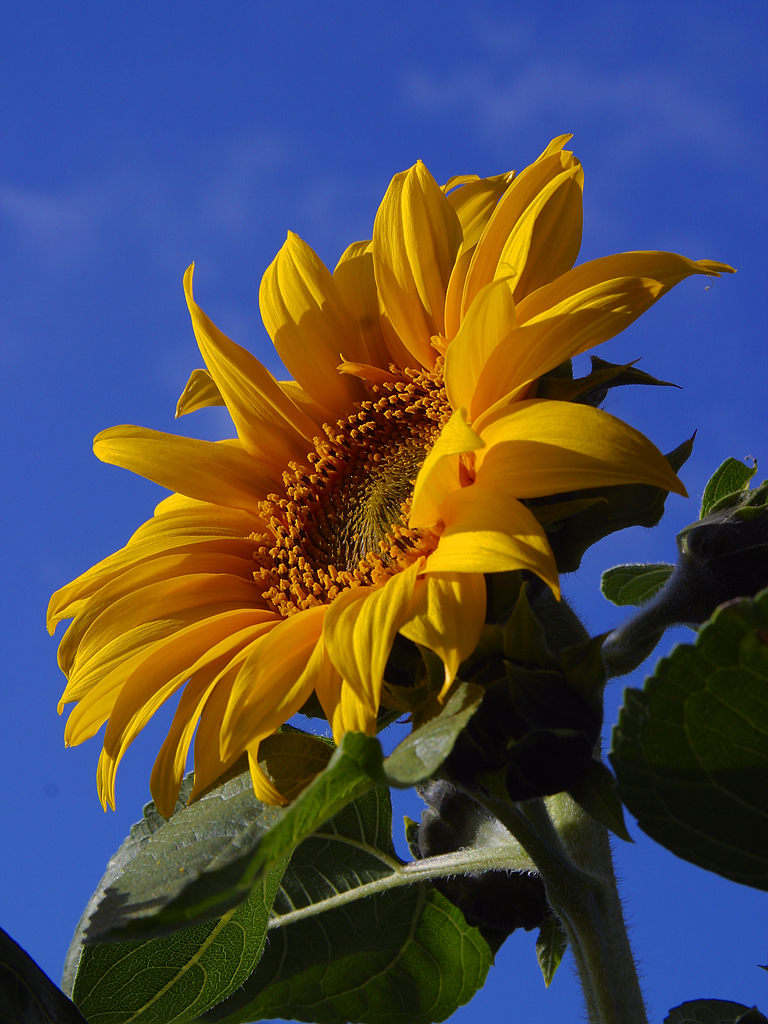 Common sunflowerHelianthus annuus
A tall annual plant grown for its large yellow flower heads and edible seeds
🇨🇦 Canada and 4 more · Wildflower
Common sunflowerHelianthus annuus
A tall annual plant grown for its large yellow flower heads and edible seeds
🇨🇦 Canada and 4 more · Wildflower
 CactusCactaceae
Succulent plants with spines, native to the Americas
🇲🇽 Mexico and 7 more · Wildflower
CactusCactaceae
Succulent plants with spines, native to the Americas
🇲🇽 Mexico and 7 more · Wildflower
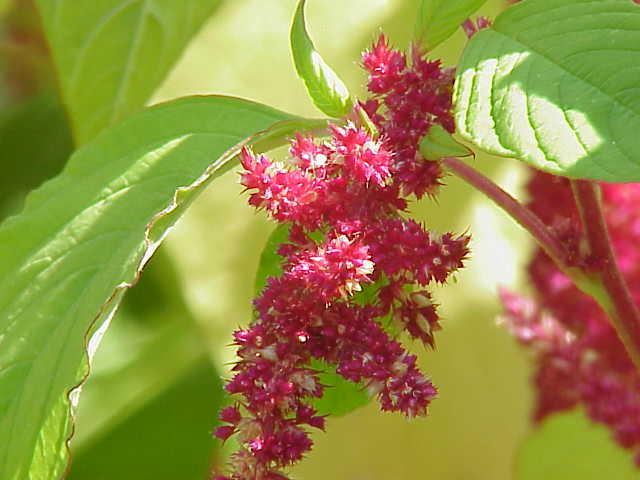 AmaranthAmaranthus
A tall, colourful plant grown for its flowers, leaves and edible seeds
🇲🇽 Mexico and 7 more · Wildflower
AmaranthAmaranthus
A tall, colourful plant grown for its flowers, leaves and edible seeds
🇲🇽 Mexico and 7 more · Wildflower
 HawthornCrataegus
A thorny shrub or tree with white or pink spring flowers and small edible fruits
🇮🇪 Ireland and 7 more · Wildflower
HawthornCrataegus
A thorny shrub or tree with white or pink spring flowers and small edible fruits
🇮🇪 Ireland and 7 more · Wildflower