
Leontopodium
A group of woolly alpine flowers, including the well-known edelweiss
Leontopodium is a group of flowering plants in the daisy family, found in the mountains of Europe and Asia. Its most famous member is the edelweiss, a symbol in Austria, with soft, white, felted bracts that look like small animal paws.
- Leontopodium includes the famous edelweiss flower
- The genus name means 'lion's foot' in Greek
- Edelweiss is a national symbol of Austria
- Flowers have soft, white, woolly bracts
What does Leontopodium look like?
Plants in the Leontopodium group are known for their woolly, white flower heads. The fuzzy covering on the bracts gives them a soft look, often compared to the pads of a lion’s foot. These flowers are usually small and grow in clusters. The most recognized is the edelweiss, which stands out for its star-shaped appearance and felt-like texture.
Where does Leontopodium come from?
Leontopodium grows naturally in mountain regions across Europe and Asia. The name comes from Greek words for 'lion' and 'foot', inspired by the shape of the flower’s bracts. Over time, the edelweiss species became especially well known in the Alps, and the group includes many species found in different high-altitude areas.
When and how Leontopodium blooms
These plants bloom in rocky, alpine places, thriving in cool climates and well-drained soil. They are often grown from seed in gardens that mimic their natural, mountainous environment. The flowers appear on short stems and are adapted to survive harsh weather.


How Leontopodium is used
Edelweiss, the best-known Leontopodium, is a symbol of Austria and has been used as a national emblem. It appears on badges, coins, and in popular songs. People also grow these flowers in gardens for their unique look and connection to alpine culture.
Kinds of Leontopodium
The genus includes many species, such as Leontopodium nivale (edelweiss), L. japonicum, and L. albogriseum. While edelweiss is the most famous, other species are found in different parts of Europe and Asia, each adapted to their local mountain conditions.
What Leontopodium means
Edelweiss holds a special place in Austrian identity and has appeared on military insignia and currency. The flower was celebrated in a well-known song from The Sound of Music, helping spread its fame beyond Europe. It remains a symbol of purity and rugged beauty in alpine regions.
Questions people ask about Leontopodium
Where does Leontopodium come from?
Leontopodium grows wild in mountain areas across Europe and Asia, especially in alpine regions.
What does Leontopodium look like?
These plants have small, white, woolly flower heads with fuzzy bracts that look like animal paws.
What is Leontopodium used for?
The most famous species, edelweiss, is used as a symbol in Austria and is grown in gardens for its unique appearance.
Is Leontopodium the same as edelweiss?
Edelweiss is one species within the Leontopodium group, but the genus includes many other related species.
What does Leontopodium symbolize?
Edelweiss, the best-known Leontopodium, stands for Austria and is linked to alpine tradition and purity.
Good reading and sources
- Plants of the World OnlineRoyal Botanic Gardens, Kew, Plant database
- Where it has been recordedGBIF, Plant database
- Sightings and photos by naturalistsiNaturalist, Plant database
The facts on this page come from the Wikipedia article "Leontopodium", written by its contributors and used under the CC BY-SA 4.0 licence, and from its Wikidata record (CC0). Phool rewrote the text in its own words, with AI assistance, and compares every page with the article to make sure no passage is copied. It may be reused under the same CC BY-SA 4.0 licence with a link back.
It may contain mistakes. It is not medical or foraging advice: many flowers are poisonous, and traditional uses are reported, not recommended. If something is wrong, tell us. Last refreshed 2026-10-03.
Others in the family Asteraceae
The whole family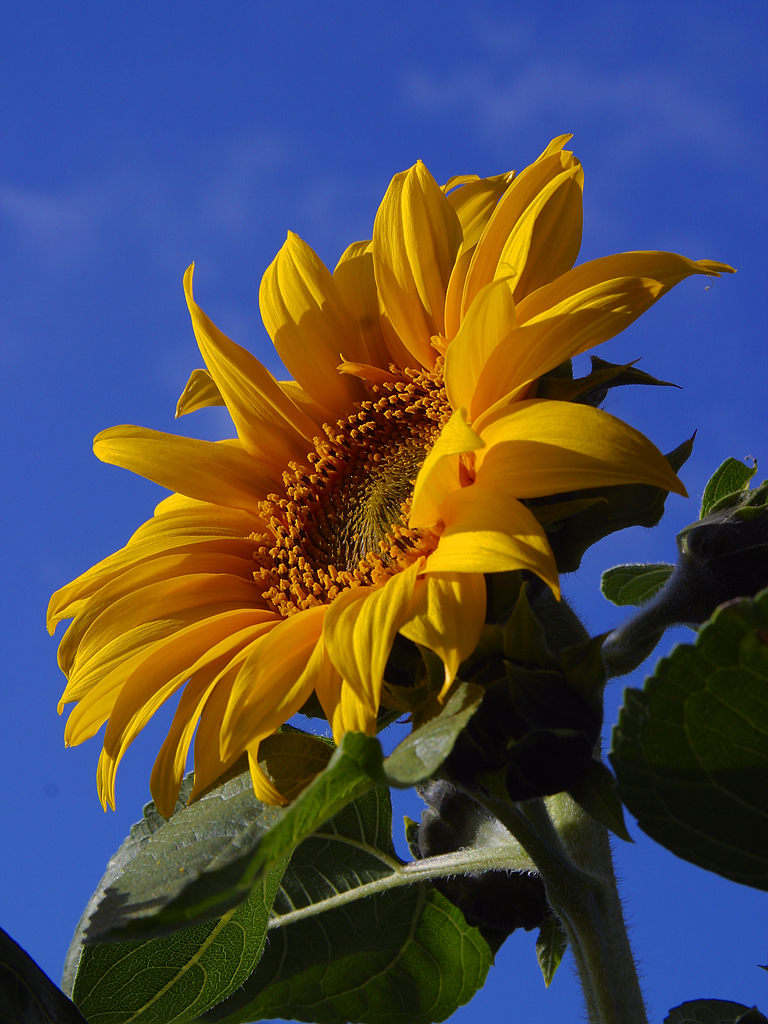 Common sunflowerHelianthus annuus
A tall annual plant grown for its large yellow flower heads and edible seeds
🇨🇦 Canada and 4 more · Wildflower
Common sunflowerHelianthus annuus
A tall annual plant grown for its large yellow flower heads and edible seeds
🇨🇦 Canada and 4 more · Wildflower
 Chrysanthemum菊花
Autumn-blooming flower with thousands of varieties, cherished in East Asia and beyond
🇨🇳 China and 6 more · Wildflower
Chrysanthemum菊花
Autumn-blooming flower with thousands of varieties, cherished in East Asia and beyond
🇨🇳 China and 6 more · Wildflower
 Asteraceae
The vast family of daisies, asters, and sunflowers with star-like flower heads
Asteraceae · Wildflower
Asteraceae
The vast family of daisies, asters, and sunflowers with star-like flower heads
Asteraceae · Wildflower
 DandelionTaraxacum
A yellow-flowered perennial found in fields, lawns, and gardens worldwide
Taraxacum · Wildflower
DandelionTaraxacum
A yellow-flowered perennial found in fields, lawns, and gardens worldwide
Taraxacum · Wildflower
More from Austria
All the flowers of Austria RapeseedBrassica napus
A yellow-flowered crop grown for its oil-rich seeds and protein meal
🇨🇳 China and 7 more · Wildflower
RapeseedBrassica napus
A yellow-flowered crop grown for its oil-rich seeds and protein meal
🇨🇳 China and 7 more · Wildflower
 BlackthornPrunus spinosa
A spiny shrub with white spring flowers and tart blue-black fruit
🇬🇧 United Kingdom and 7 more · Wildflower
BlackthornPrunus spinosa
A spiny shrub with white spring flowers and tart blue-black fruit
🇬🇧 United Kingdom and 7 more · Wildflower
 ColtsfootTussilago farfara
A yellow spring-flowering herb once used in traditional remedies
🇨🇳 China and 4 more · Wildflower
ColtsfootTussilago farfara
A yellow spring-flowering herb once used in traditional remedies
🇨🇳 China and 4 more · Wildflower
 CornflowerCentaurea cyanus
A bright blue wildflower once common in European grain fields
🇩🇪 Germany and 7 more · Wildflower
CornflowerCentaurea cyanus
A bright blue wildflower once common in European grain fields
🇩🇪 Germany and 7 more · Wildflower