
Lilium pumilum
A small Asian lily with nodding red flowers and a light scent
Lilium pumilum is a bulbous lily from northern China, Mongolia, Siberia, Korea, and the Russian Far East. It grows grassy leaves and produces several small, downward-facing red flowers with a light fragrance. In Taiwan, both its flowers and bulbs are eaten.
- Native to northern China, Mongolia, Siberia, Korea, and the Russian Far East
- Produces up to 20 small, red, nodding flowers per stem
- Flowers and bulbs are eaten in Taiwan
- Bulbs last 2 to 4 years in the ground
What does Lilium pumilum look like?
This lily grows from a bulb and usually reaches less than a metre in height. Its leaves are narrow and grass-like. The plant sends up a stem that can carry one to twenty flowers, each hanging down and curving back at the tips. The blooms are mostly red and may have black spots. The flowers have a gentle scent.
Where does Lilium pumilum come from?
Lilium pumilum is native to parts of northern and eastern Asia, including northern China, Mongolia, Siberia, Korea, and the Russian Far East. Its name refers to its relatively small size among lilies. It grows wild in these regions and has adapted to well-drained soils. The species has been collected and grown outside its native range, but it often does not live long in gardens.
When and how Lilium pumilum blooms
The plant grows from a bulb that sits about 10 to 13 centimetres below the soil surface. It prefers soils that drain well. The bulbs last for two to four years. Lilium pumilum can be grown from seed or by dividing bulbs, but it is often short-lived in cultivation.

How Lilium pumilum is used
In Taiwan, people use both the flowers and bulbs of this lily as food, similar to how other lilies are used in the region. The plant is also valued for its appearance in gardens, though it can be difficult to keep for many years. There are no records of it being used in religious or ceremonial contexts.
Kinds of Lilium pumilum
There are no widely recognised varieties or cultivars of Lilium pumilum mentioned in the sources. However, related lilies are also used for food in East Asia.
What Lilium pumilum means
The plant is mainly known for its edible uses in Taiwan and its ornamental value in gardens. Its small size and red, nodding flowers set it apart from other lilies. The sources do not mention any particular symbolism or cultural meaning for this species.
Questions people ask about Lilium pumilum
Where does Lilium pumilum come from?
It grows wild in northern China, Mongolia, Siberia, Korea, and the Russian Far East.
What does the flower look like?
It has slender, grass-like leaves and produces several small, red, downward-facing flowers with a light scent.
Is Lilium pumilum used for anything special?
In Taiwan, both its flowers and bulbs are eaten, much like other lilies in the region.
How long does the bulb live?
The bulb typically survives for two to four years in the soil.
Does it have any special meaning or symbolism?
The sources do not mention any particular symbolism or cultural meaning for this lily.
Good reading and sources
- Plants of the World OnlineRoyal Botanic Gardens, Kew, Plant database
- Where it has been recordedGBIF, Plant database
- Sightings and photos by naturalistsiNaturalist, Plant database
- Lilium pumilum on WikipediaEncyclopedia
- More photos on Wikimedia CommonsPhotos
- Wikidata recordOpen data
The facts on this page come from the Wikipedia article "Lilium pumilum", written by its contributors and used under the CC BY-SA 4.0 licence, and from its Wikidata record (CC0). Phool rewrote the text in its own words, with AI assistance, and compares every page with the article to make sure no passage is copied. It may be reused under the same CC BY-SA 4.0 licence with a link back.
It may contain mistakes. It is not medical or foraging advice: many flowers are poisonous, and traditional uses are reported, not recommended. If something is wrong, tell us. Last refreshed 2026-10-03.
Others in the family Liliaceae
The whole family TulipTulipa
Spring-blooming bulbs with showy, cup-shaped flowers in many colours
🇳🇱 Netherlands and 7 more · Wildflower
TulipTulipa
Spring-blooming bulbs with showy, cup-shaped flowers in many colours
🇳🇱 Netherlands and 7 more · Wildflower
 LilyLilium
Tall bulb flowers with large, colourful blooms in many gardens and cultures
Lilium · Wildflower
LilyLilium
Tall bulb flowers with large, colourful blooms in many gardens and cultures
Lilium · Wildflower
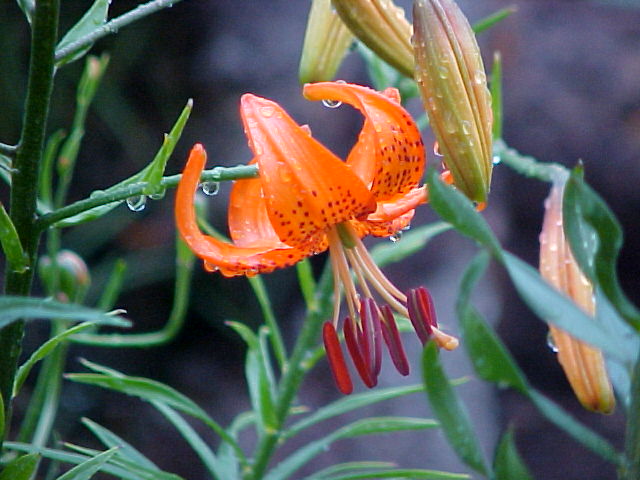 Lilium davidii
A tall Asian lily with edible bulbs and orange recurved flowers
🇨🇳 China and 1 more · Wildflower
Lilium davidii
A tall Asian lily with edible bulbs and orange recurved flowers
🇨🇳 China and 1 more · Wildflower
 Chinese LilyLilium brownii
A wild and cultivated lily from China with edible bulbs
🇨🇳 China and 3 more · Wildflower
Chinese LilyLilium brownii
A wild and cultivated lily from China with edible bulbs
🇨🇳 China and 3 more · Wildflower
More from China
All the flowers of China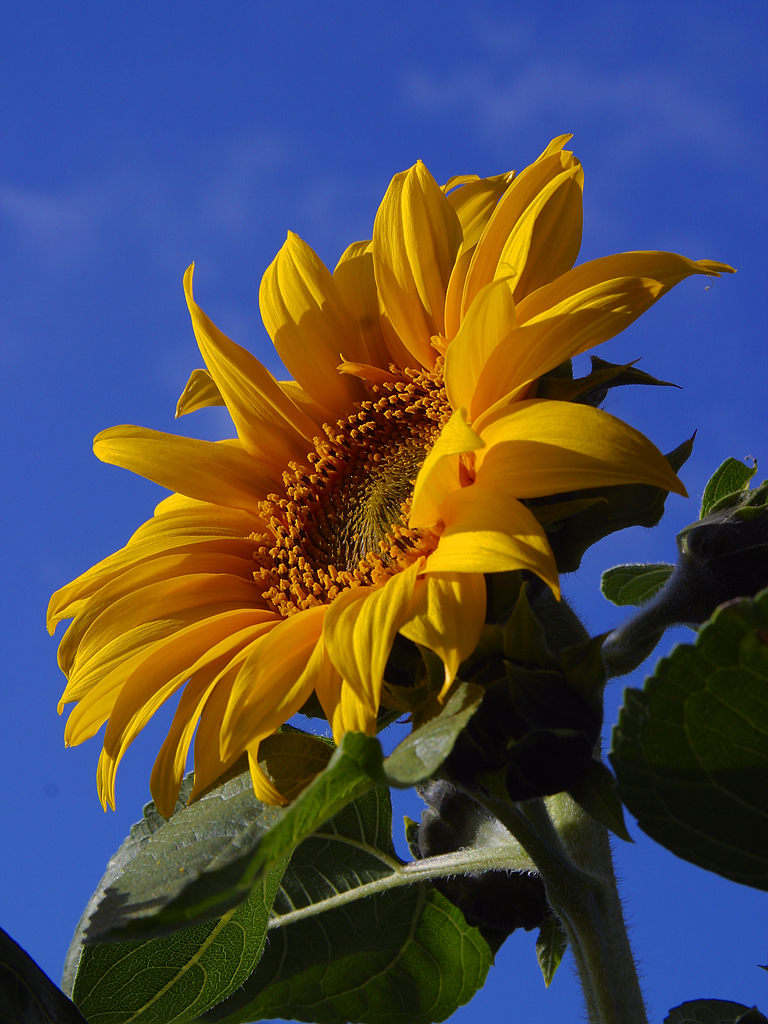 Common sunflowerHelianthus annuus
A tall annual plant grown for its large yellow flower heads and edible seeds
🇨🇦 Canada and 4 more · Wildflower
Common sunflowerHelianthus annuus
A tall annual plant grown for its large yellow flower heads and edible seeds
🇨🇦 Canada and 4 more · Wildflower
 BirchBetula
Slender trees with papery bark found across the northern world
🇨🇳 China and 7 more · Wildflower
BirchBetula
Slender trees with papery bark found across the northern world
🇨🇳 China and 7 more · Wildflower
 FennelFoeniculum vulgare
A tall, aromatic herb with feathery leaves and yellow umbels, used for food and spice
🇨🇳 China and 7 more · Herb or useful flower
FennelFoeniculum vulgare
A tall, aromatic herb with feathery leaves and yellow umbels, used for food and spice
🇨🇳 China and 7 more · Herb or useful flower
 Common flaxLinum usitatissimum
The slender blue-flowered plant grown for linen and linseed
🇨🇳 China and 7 more · Wildflower
Common flaxLinum usitatissimum
The slender blue-flowered plant grown for linen and linseed
🇨🇳 China and 7 more · Wildflower