
Madurai Malli
A famed, highly fragrant jasmine cultivated in south-central Tamil Nadu
Madurai Malli is a renowned fragrant jasmine cultivated in south-central Tamil Nadu, India. Grown since ancient times, these aromatic blooms are famed for their distinct scent and celebrated across regional art and literature.
- Grown continuously in Tamil Nadu since at least 300 BCE.
- Celebrated in classical Sangam literature and temple art.
- The first flower from Tamil Nadu awarded Geographical Indication status.
- Cultivated primarily around Nilakkottai and Madurai districts.
What does Madurai Malli look like?
Madurai Malli is a distinctive kind of jasmine cultivated in the south-central part of Tamil Nadu, India. Famous above all for its potent and unique fragrance, this flowering plant holds a revered position in South Indian floral culture. The blooms are particularly prized for their rich aroma, which sets them apart from other jasmine varieties. While closely associated with the city and district of Madurai, major farming also takes place in neighboring areas such as Nilakkottai. It holds special agricultural distinction as an officially recognized regional specialty.
Where does Madurai Malli come from?
Farming of Madurai Malli reaches far back into antiquity, with records of cultivation dating to around 300 BCE. The blossom appears repeatedly in classical Sangam literature, showing that local populations have cherished its sweet scent for well over two millennia. Visual depictions and carvings across historic temple artwork further testify to its enduring heritage in the Tamil region. In the 2012–13 period, the Indian government granted Madurai Malli official Geographical Indication status, making it the very first flower from Tamil Nadu to receive this legal geographical protection.
When and how Madurai Malli blooms
Cultivation of this jasmine variety is concentrated across several districts in south-central Tamil Nadu. Nilakkottai serves as one of the primary farming centers, alongside Madurai, Theni, Sivagangai, Dindigul, and Virudhunagar. Farmers manage these flowering plants within the distinct climatic conditions of this southern Indian territory, nurturing the crops to harvest blossoms known throughout the region for their intense, unmistakable scent.
How Madurai Malli is used
Prized for its unmistakable aroma, Madurai Malli has long been integrated into the cultural and visual traditions of Tamil Nadu. Historic temple art reflects how deeply these fragrant blossoms have been woven into sacred architecture and traditional practices. The enduring demand for its unique scent has sustained steady cultivation across multiple districts from the Sangam era into modern times.
What Madurai Malli means
Madurai Malli occupies a prominent place in Tamil literary and religious heritage. Ancient poems from Sangam literature celebrate its perfume, while local temples feature artistic representations of the flower. In 2012–2013, its cultural and geographical uniqueness was formalized when it became Tamil Nadu's first flower registered under India's Geographical Indications registry.
Traditions that use it
Where to see Madurai Malli

Questions people ask about Madurai Malli
Where is Madurai Malli grown?
Madurai Malli is cultivated in the south-central districts of Tamil Nadu, India. Major growing regions include Nilakkottai, Madurai, Dindigul, Theni, Virudhunagar, and Sivagangai.
What makes Madurai Malli special?
This variety of jasmine is celebrated for its powerful and distinctive fragrance. In 2012–13, it became the first flower from the state of Tamil Nadu to receive official Geographical Indication recognition.
How old is the tradition of growing Madurai Malli?
The cultivation of these jasmine plants dates back to at least 300 BCE. References to the fragrant bloom appear in ancient Sangam literature as well as historical temple art across the region.
Good reading and sources
The facts on this page come from the Wikipedia article "Madurai Malli", written by its contributors and used under the CC BY-SA 4.0 licence, and from its Wikidata record (CC0). EveryPhool rewrote the text in its own words, with AI assistance, and compares every page with the article to make sure no passage is copied. It may be reused under the same CC BY-SA 4.0 licence with a link back.
It may contain mistakes. It is not medical or foraging advice: many flowers are poisonous, and traditional uses are reported, not recommended. If something is wrong, tell us. Last refreshed 2026-10-04.
More of the same kind
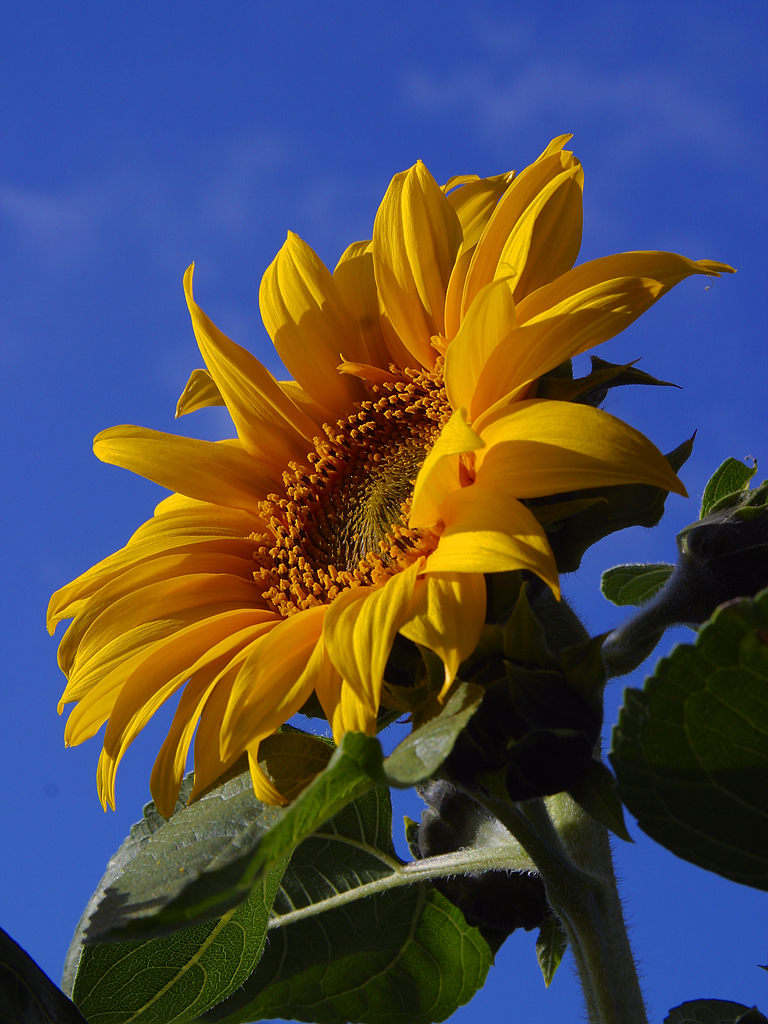 Common sunflowerHelianthus annuus
A tall annual plant grown for its large yellow flower heads and edible seeds
🇨🇦 Canada and 4 more · Wildflower
Common sunflowerHelianthus annuus
A tall annual plant grown for its large yellow flower heads and edible seeds
🇨🇦 Canada and 4 more · Wildflower
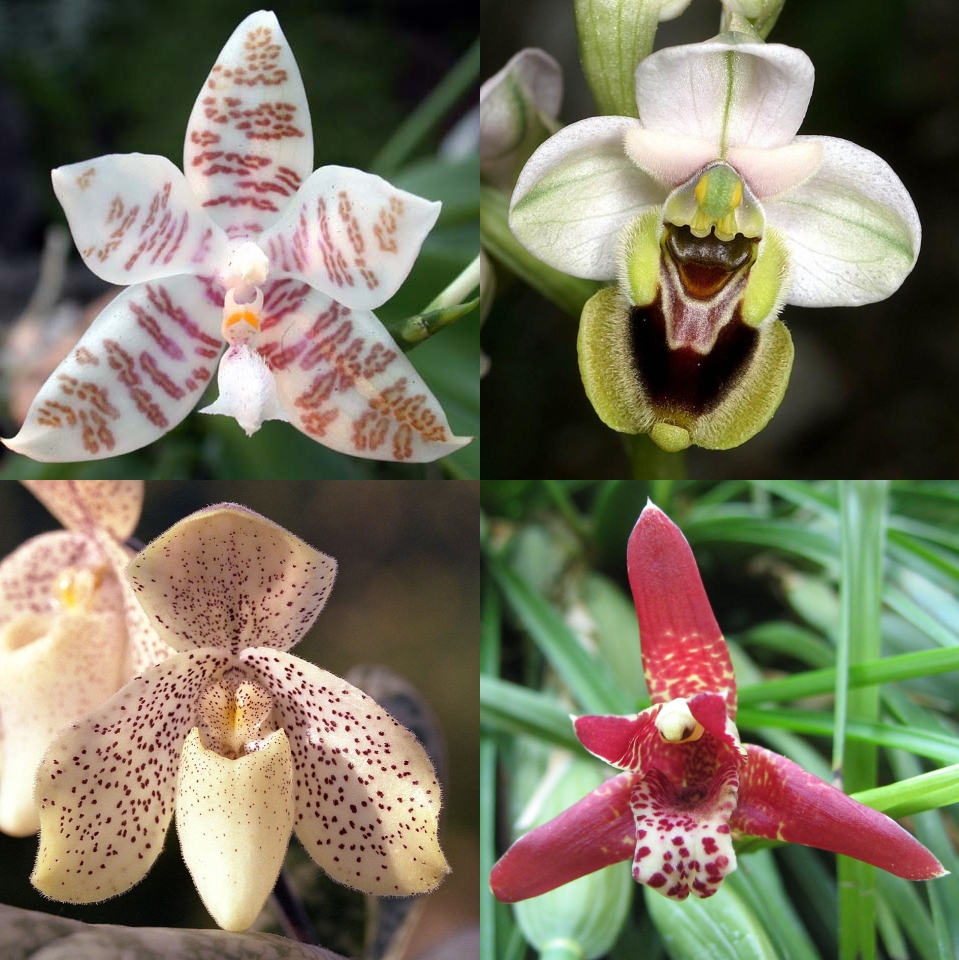 OrchidOrchidaceae
A vast family of colourful, often fragrant flowers found almost everywhere on earth
Orchidaceae · Wildflower
OrchidOrchidaceae
A vast family of colourful, often fragrant flowers found almost everywhere on earth
Orchidaceae · Wildflower
 LilyLilium
Tall bulb flowers with large, colourful blooms in many gardens and cultures
Lilium · Wildflower
LilyLilium
Tall bulb flowers with large, colourful blooms in many gardens and cultures
Lilium · Wildflower
 Chrysanthemum菊花
Autumn-blooming flower with thousands of varieties, cherished in East Asia and beyond
🇨🇳 China and 6 more · Wildflower
Chrysanthemum菊花
Autumn-blooming flower with thousands of varieties, cherished in East Asia and beyond
🇨🇳 China and 6 more · Wildflower
More from India
All the flowers of India TulipTulipa
Spring-blooming bulbs with showy, cup-shaped flowers in many colours
🇳🇱 Netherlands and 7 more · Wildflower
TulipTulipa
Spring-blooming bulbs with showy, cup-shaped flowers in many colours
🇳🇱 Netherlands and 7 more · Wildflower
 MarigoldTagetes
A group of bright annual and perennial flowers known worldwide as marigolds
🇲🇽 Mexico and 7 more · Wildflower
MarigoldTagetes
A group of bright annual and perennial flowers known worldwide as marigolds
🇲🇽 Mexico and 7 more · Wildflower
 Calanthe
A genus of terrestrial orchids with showy pink, white, yellow or orange blooms
🇮🇳 India and 4 more · Orchid
Calanthe
A genus of terrestrial orchids with showy pink, white, yellow or orange blooms
🇮🇳 India and 4 more · Orchid
 Blanket FlowerGaillardia aristata
A drought-tolerant wildflower with yellow and maroon daisy-like blooms
🇺🇸 United States and 6 more · Wildflower
Blanket FlowerGaillardia aristata
A drought-tolerant wildflower with yellow and maroon daisy-like blooms
🇺🇸 United States and 6 more · Wildflower