
Blanket Flower
Gaillardia aristata, family Asteraceae
A drought-tolerant wildflower with yellow and maroon daisy-like blooms
Blanket Flower is a perennial wildflower native to the Rocky Mountains and Great Plains of North America. It has yellow and maroon daisy-like flowers and is grown in gardens worldwide for its bright blooms and hardiness. Indigenous peoples used it in traditional medicine, and it thrives in prairies and open woodlands.
- Native to the Rocky Mountains and Great Plains of North America
- Flowers are yellow with maroon or purple centers
- Used in traditional medicine by Indigenous peoples
- Tolerates drought and poor soils
- Popular garden plant with many colorful cultivars
What does Blanket Flower look like?
Blanket Flower is a perennial herb that grows 20 to 80 cm tall, with slender taproots and one or a few upright stems. Its leaves are narrow, hairy, and can be lobed, toothed, or smooth-edged. The flower heads are showy, with 12 to 18 yellow ray florets, sometimes with purple, and a center of maroon or yellow-tipped disc florets. The plant produces stout, hairy seeds. It is known for its daisy-like appearance and tolerance of dry, open habitats.
Where does Blanket Flower come from?
Gaillardia aristata is native to the Rocky Mountains and upper Great Plains of North America. The genus originated in the Chihuahuan desert and spread northward after the Rocky Mountains formed. The first specimen was collected during the Lewis and Clark expedition in 1806 and described by Frederick Pursh in 1814. Its Latin name honors botanist Gaillard de Charetonneau, and 'aristata' refers to the bristled hairs on the plant.
When and how Blanket Flower blooms
Blanket Flower blooms mainly from July to August, with a possible second flowering from September to November. It grows in prairies, grasslands, and open forests, thriving in coarse, well-drained soils and tolerating drought and moderate salinity. The plant is grown from seed, and most garden varieties are hybrids with G. pulchella. Cultivars like 'Amber Wheels' and 'Maxima Aurea' have all-yellow blooms, while others offer varied colors.


How Blanket Flower is used
Indigenous peoples of the Pacific Northwest and northern plains used Blanket Flower in traditional medicines for heatstroke, headaches, wounds, and other ailments. It is now widely grown as an ornamental plant in gardens and landscapes, valued for its bright flowers and ability to attract bees and butterflies. The plant is also eaten by grazing animals and serves as a host for certain moths.
Kinds of Blanket Flower
Many garden cultivars exist, including 'Amber Wheels', 'Maxima Aurea', and the Sunrita, Arizona, Burgundy, Goblin, Oranges and Lemons, and Sunset series. Most are hybrids with G. pulchella, called Gaillardia x grandiflora, and offer a range of flower colors and forms. Some cultivars are short-lived perennials suited to various climates.
What Blanket Flower means
Blanket Flower is recognized for its resilience and bright display in wild and cultivated settings. In Salish dialects, it is called 'spring salmon's eye', and the Okanagan name refers to its use in body painting for pain relief. It is considered invasive in some regions, such as Hungary and Russia, but remains a valued garden plant and symbol of prairie landscapes.
Questions people ask about Blanket Flower
Where does Blanket Flower come from?
Blanket Flower is native to the Rocky Mountains and Great Plains of North America. It has also been introduced to many other regions, including Europe, Asia, and Australia.
What does Blanket Flower look like?
It is a perennial herb with daisy-like flower heads, usually with yellow ray florets and maroon or yellow-tipped centers. The plant grows 20 to 80 cm tall and has narrow, hairy leaves.
How is Blanket Flower used?
It is grown as an ornamental garden plant and was used by Indigenous peoples for traditional medicines, including treatments for wounds, headaches, and fevers.
What does Blanket Flower symbolize?
In Salish dialects, it is called 'spring salmon's eye', and among the Okanagan, it is linked to body painting for pain relief. It is also a symbol of prairie landscapes.
When does Blanket Flower bloom?
Blanket Flower typically blooms from July to August, with a possible second flowering period from September to November.
Good reading and sources
- Lady Bird Johnson Wildflower CenterLady Bird Johnson Wildflower Center, Article
- USDA Plants DatabaseUS Department of Agriculture, Article
- Plants of the World OnlineRoyal Botanic Gardens, Kew, Plant database
- Where it has been recordedGBIF, Plant database
- Sightings and photos by naturalistsiNaturalist, Plant database
- Gaillardia aristata on WikipediaEncyclopedia
- More photos on Wikimedia CommonsPhotos
- Wikidata recordOpen data
The facts on this page come from the Wikipedia article "Gaillardia aristata", written by its contributors and used under the CC BY-SA 4.0 licence, and from its Wikidata record (CC0). Phool rewrote the text in its own words, with AI assistance, and compares every page with the article to make sure no passage is copied. It may be reused under the same CC BY-SA 4.0 licence with a link back.
It may contain mistakes. It is not medical or foraging advice: many flowers are poisonous, and traditional uses are reported, not recommended. If something is wrong, tell us. Last refreshed 2026-10-03.
Others in the family Asteraceae
The whole family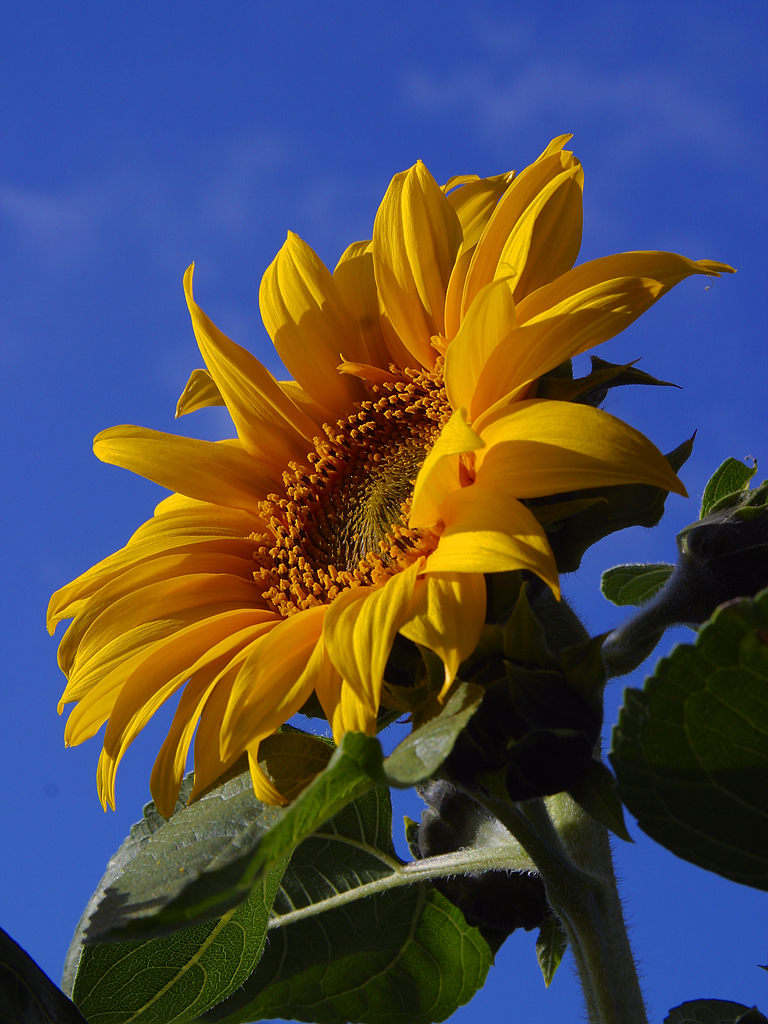 Common sunflowerHelianthus annuus
A tall annual plant grown for its large yellow flower heads and edible seeds
🇨🇦 Canada and 4 more · Wildflower
Common sunflowerHelianthus annuus
A tall annual plant grown for its large yellow flower heads and edible seeds
🇨🇦 Canada and 4 more · Wildflower
 Asteraceae
The vast family of daisies, asters, and sunflowers with star-like flower heads
Asteraceae · Wildflower
Asteraceae
The vast family of daisies, asters, and sunflowers with star-like flower heads
Asteraceae · Wildflower
 DandelionTaraxacum
A yellow-flowered perennial found in fields, lawns, and gardens worldwide
Taraxacum · Wildflower
DandelionTaraxacum
A yellow-flowered perennial found in fields, lawns, and gardens worldwide
Taraxacum · Wildflower
 Dahlia
A bushy perennial with tuberous roots and bright, star-shaped blooms
🇲🇽 Mexico and 1 more · Garden flower
Dahlia
A bushy perennial with tuberous roots and bright, star-shaped blooms
🇲🇽 Mexico and 1 more · Garden flower
More from the United States
All the flowers of the United States PeachPrunus persica
A flowering fruit tree from China, grown for its pink blossoms and sweet fruit
🇨🇳 China and 7 more · Flowering tree
PeachPrunus persica
A flowering fruit tree from China, grown for its pink blossoms and sweet fruit
🇨🇳 China and 7 more · Flowering tree
 AlmondPrunus amygdalus
A Mediterranean tree grown for its fragrant spring flowers and edible seeds
🇮🇷 Iran and 6 more · Flowering tree
AlmondPrunus amygdalus
A Mediterranean tree grown for its fragrant spring flowers and edible seeds
🇮🇷 Iran and 6 more · Flowering tree
 CactusCactaceae
Succulent plants with spines, native to the Americas
🇲🇽 Mexico and 7 more · Wildflower
CactusCactaceae
Succulent plants with spines, native to the Americas
🇲🇽 Mexico and 7 more · Wildflower
 Chrysanthemum菊花
Autumn-blooming flower with thousands of varieties, cherished in East Asia and beyond
🇨🇳 China and 6 more · Wildflower
Chrysanthemum菊花
Autumn-blooming flower with thousands of varieties, cherished in East Asia and beyond
🇨🇳 China and 6 more · Wildflower