
Aster koraiensis
In its own language: 벌개미취
A violet-flowered perennial native to the Korean peninsula
Aster koraiensis is a perennial herb from Korea, known for its pale violet, star-shaped flowers. It grows in moist places like lawns and roadsides, and young leaves are sometimes used in Korean cooking.
- Native only to the Korean peninsula
- Pale violet, star-shaped flowers bloom in summer
- Young leaves are used in Korean cuisine
- Grows from underground rhizomes
- Known as 'Beolgaemichui' in Korean
What does Aster koraiensis look like?
Aster koraiensis grows up to 60 cm tall and has green, lance-shaped leaves with lobes along the sides. Its flowers are pale violet and about 4 to 5 cm across, with just one flower per stem. The plant forms clumps from underground rhizomes. When it blooms, the leaves at the base tend to fall away. The flower heads are made up of many small florets, giving a star-like look.
Where does Aster koraiensis come from?
This plant is found only on the Korean peninsula, where it is native and widespread. It was first described in 1909 and placed in the genus Aster, a name that refers to the star-like shape of its flower. The species name 'koraiensis' points to its Korean origin. In Korea, it is called 'Beolgaemichui', a name that may come from the idea that bees are attracted to it.
When and how Aster koraiensis blooms
Aster koraiensis blooms from June to September. It prefers moist soils and is common in gardens, along roads, and in valleys. The plant spreads through rhizomes, which are stems that grow underground. It can be grown from these rhizomes or from seed, and it thrives in temperate climates.

How Aster koraiensis is used
In Korea, the young leaves of Aster koraiensis are sometimes gathered and used in food. The plant is also found in gardens and along roadsides, where it adds color in summer. Its flowers are not known for a strong scent, but their shape and color make them a familiar sight.
Kinds of Aster koraiensis
No notable varieties or cultivars are mentioned in the sources. The plant is known mainly in its wild form across Korea.
What Aster koraiensis means
Aster koraiensis is tied to Korean identity, as it is only found in that region. In the language of flowers, it stands for remembrance and nostalgia. The flower's name and shape are linked to the idea of a star, and it is sometimes thought to attract bees.
Questions people ask about Aster koraiensis
Where does Aster koraiensis come from?
Aster koraiensis is native to the Korean peninsula and is found throughout both South Korea and North Korea.
What does the flower look like?
It has pale violet flowers about 4 to 5 cm wide, with a single flower on each stem. The leaves are green, lance-shaped, and lobed.
How is Aster koraiensis used?
In Korea, people sometimes use the young leaves in cooking. The plant is also grown in gardens and appears along roadsides.
What does Aster koraiensis symbolize?
In the language of flowers, it represents remembrance and nostalgia.
When does it bloom?
It flowers from June to September in Korea, with fruits maturing in November.
Good reading and sources
- Plants of the World OnlineRoyal Botanic Gardens, Kew, Plant database
- Where it has been recordedGBIF, Plant database
- Sightings and photos by naturalistsiNaturalist, Plant database
- Miyamayomena koraiensis on WikipediaEncyclopedia
- More photos on Wikimedia CommonsPhotos
- Wikidata recordOpen data
The facts on this page come from the Wikipedia article "Miyamayomena koraiensis", written by its contributors and used under the CC BY-SA 4.0 licence, and from its Wikidata record (CC0). Phool rewrote the text in its own words, with AI assistance, and compares every page with the article to make sure no passage is copied. It may be reused under the same CC BY-SA 4.0 licence with a link back.
It may contain mistakes. It is not medical or foraging advice: many flowers are poisonous, and traditional uses are reported, not recommended. If something is wrong, tell us. Last refreshed 2026-10-03.
Others in the family Asteraceae
The whole family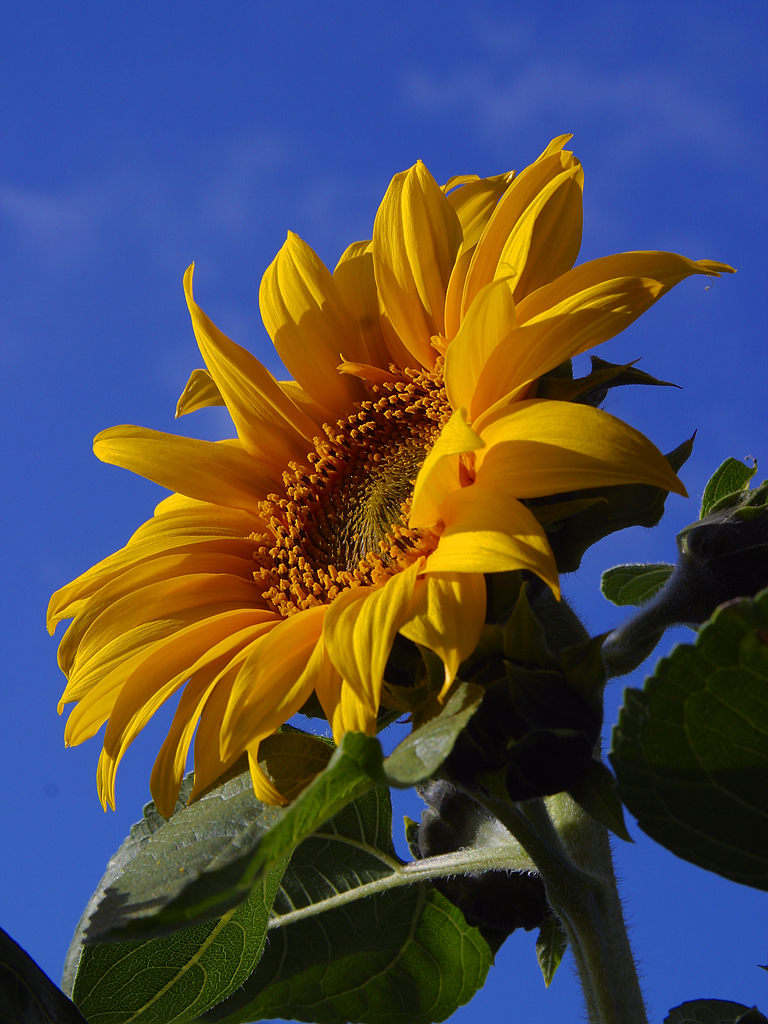 Common sunflowerHelianthus annuus
A tall annual plant grown for its large yellow flower heads and edible seeds
🇨🇦 Canada and 4 more · Wildflower
Common sunflowerHelianthus annuus
A tall annual plant grown for its large yellow flower heads and edible seeds
🇨🇦 Canada and 4 more · Wildflower
 Chrysanthemum菊花
Autumn-blooming flower with thousands of varieties, cherished in East Asia and beyond
🇨🇳 China and 6 more · Wildflower
Chrysanthemum菊花
Autumn-blooming flower with thousands of varieties, cherished in East Asia and beyond
🇨🇳 China and 6 more · Wildflower
 Asteraceae
The vast family of daisies, asters, and sunflowers with star-like flower heads
Asteraceae · Wildflower
Asteraceae
The vast family of daisies, asters, and sunflowers with star-like flower heads
Asteraceae · Wildflower
 DandelionTaraxacum
A yellow-flowered perennial found in fields, lawns, and gardens worldwide
Taraxacum · Wildflower
DandelionTaraxacum
A yellow-flowered perennial found in fields, lawns, and gardens worldwide
Taraxacum · Wildflower
More from South Korea
All the flowers of South Korea Hibiscus
A tropical genus with large, colourful trumpet-shaped flowers
🇮🇳 India and 7 more · Wildflower
Hibiscus
A tropical genus with large, colourful trumpet-shaped flowers
🇮🇳 India and 7 more · Wildflower
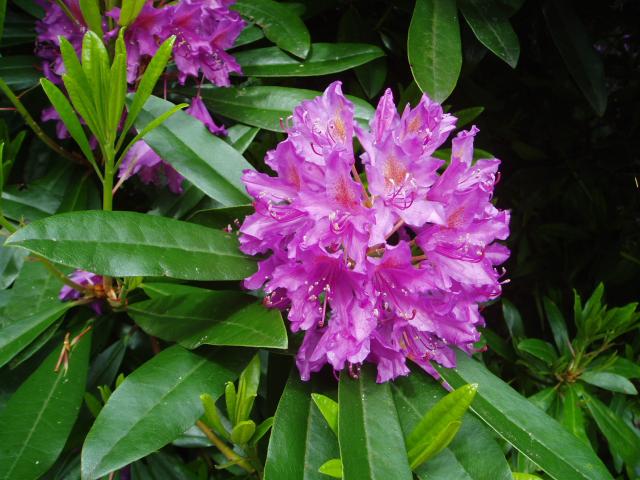 Rhododendron
A vast group of shrubs and trees with showy blooms in many colours
🇳🇵 Nepal and 4 more · Wildflower
Rhododendron
A vast group of shrubs and trees with showy blooms in many colours
🇳🇵 Nepal and 4 more · Wildflower
 Balloon flowerPlatycodon grandiflorus
A perennial with balloon-shaped buds and bell-like blue or white flowers
🇨🇳 China and 3 more · Wildflower
Balloon flowerPlatycodon grandiflorus
A perennial with balloon-shaped buds and bell-like blue or white flowers
🇨🇳 China and 3 more · Wildflower
 Place
Garden of Morning Calm아침고요수목원
A large Korean garden with themed sections and seasonal festivals
Gapyeong, 🇰🇷 South Korea · Flower garden
Place
Garden of Morning Calm아침고요수목원
A large Korean garden with themed sections and seasonal festivals
Gapyeong, 🇰🇷 South Korea · Flower garden