
Nerine bowdenii
A pink autumn-flowering bulb from South Africa, often called Cornish or Guernsey lily
Nerine bowdenii is a bulbous perennial from South Africa, known for its bright pink, frilled flowers that bloom in late summer and autumn. Despite names like Cornish lily and Guernsey lily, it is not a true lily and is native to regions such as the Eastern Cape and Drakensberg Mountains.
- Native to South Africa’s Eastern Cape and Drakensberg Mountains
- Produces bright pink, frilly flowers in late summer and autumn
- Bulbs are shaped like old-fashioned wine bottles
- Can survive temperatures down to −15°C
- Contains alkaloids of interest to researchers
What does Nerine bowdenii look like?
Nerine bowdenii grows from a bulb about 12 to 14 cm around, shaped somewhat like a traditional wine bottle. The plant reaches up to 45 cm tall and produces clusters of eight or more pink flowers with wavy, finely cut edges. The flowers appear in late summer and autumn, while its long, strap-like leaves come up in spring. The blossoms have a faint scent and resemble lilies, though this plant is not a true lily.
Where does Nerine bowdenii come from?
This species comes from South Africa, especially the Eastern Cape, KwaZulu Natal, Free State, and the Drakensberg Mountains. It was introduced to England in the early 1900s when bulbs were sent from South Africa. The plant’s common names, such as Cornish lily and Guernsey lily, are misleading, as it does not originate from those places. The name 'Guernsey lily' is also used for a related species, Nerine sarniensis.
When and how Nerine bowdenii blooms
Nerine bowdenii flowers in late summer and autumn, with leaves appearing only in spring. It prefers warm, well-drained soil and does not thrive in very humid or tropical climates. The bulbs should be planted in a spot where they can remain undisturbed for years, as they flower best when crowded. In colder regions, some shelter is helpful, but the plant can survive temperatures as low as −15°C.
How Nerine bowdenii is used
Gardeners grow Nerine bowdenii mainly for its showy pink flowers, which brighten gardens in late summer and autumn. It is valued for its ability to tolerate cold better than many related species, making it a popular choice in temperate gardens. The plant is not used in worship or as a national emblem, but is appreciated for home decoration.
Kinds of Nerine bowdenii
There are several cultivated forms of Nerine bowdenii, some of which have been recognized for their garden performance. The name 'Guernsey lily' can also refer to Nerine sarniensis, a different but related species. The plant’s flowers may vary slightly in shade and frilliness depending on the cultivar.
What Nerine bowdenii means
Nerine bowdenii is grown for its decorative value in gardens, especially in regions with cool autumns. Its bulbs contain several alkaloids, including ungeremine, which has drawn interest from researchers. The plant can be affected by certain viruses, such as the vallota mosaic virus, but is otherwise known for its resilience and late-season blooms.
Questions people ask about Nerine bowdenii
Where does Nerine bowdenii come from?
Nerine bowdenii is native to South Africa, especially the Eastern Cape, KwaZulu Natal, Free State, and Drakensberg Mountains.
What do the flowers of Nerine bowdenii look like?
The plant produces clusters of bright pink flowers with wavy, finely cut edges that resemble lilies, though it is not a true lily.
When does Nerine bowdenii bloom?
Its flowers appear in late summer and autumn, while the leaves emerge in spring.
Is Nerine bowdenii hardy in cold climates?
Yes, it can survive temperatures as low as −15°C, making it suitable for many temperate gardens.
What is Nerine bowdenii used for?
It is mainly grown in gardens for its decorative pink flowers, which add color late in the season.
Good reading and sources
- Nerine bowdeniiRoyal Horticultural Society, Article
- USDA Plants DatabaseUS Department of Agriculture, Article
- Plants of the World OnlineRoyal Botanic Gardens, Kew, Plant database
- Where it has been recordedGBIF, Plant database
- Sightings and photos by naturalistsiNaturalist, Plant database
- Nerine bowdenii on WikipediaEncyclopedia
- More photos on Wikimedia CommonsPhotos
- Wikidata recordOpen data
The facts on this page come from the Wikipedia article "Nerine bowdenii", written by its contributors and used under the CC BY-SA 4.0 licence, and from its Wikidata record (CC0). Phool rewrote the text in its own words, with AI assistance, and compares every page with the article to make sure no passage is copied. It may be reused under the same CC BY-SA 4.0 licence with a link back.
It may contain mistakes. It is not medical or foraging advice: many flowers are poisonous, and traditional uses are reported, not recommended. If something is wrong, tell us. Last refreshed 2026-10-03.
Others in the family Amaryllidaceae
The whole family Narcissus
Spring-flowering bulbs with trumpet-shaped blooms in white, yellow, and orange
🇬🇧 United Kingdom and 7 more · Wildflower
Narcissus
Spring-flowering bulbs with trumpet-shaped blooms in white, yellow, and orange
🇬🇧 United Kingdom and 7 more · Wildflower
 Allium
The genus of onions, garlic, leeks, chives and their wild relatives
Allium · Wildflower
Allium
The genus of onions, garlic, leeks, chives and their wild relatives
Allium · Wildflower
 Wild GarlicAllium ursinum
A wild woodland plant with star-shaped white flowers and edible leaves
🇮🇪 Ireland · Wildflower
Wild GarlicAllium ursinum
A wild woodland plant with star-shaped white flowers and edible leaves
🇮🇪 Ireland · Wildflower
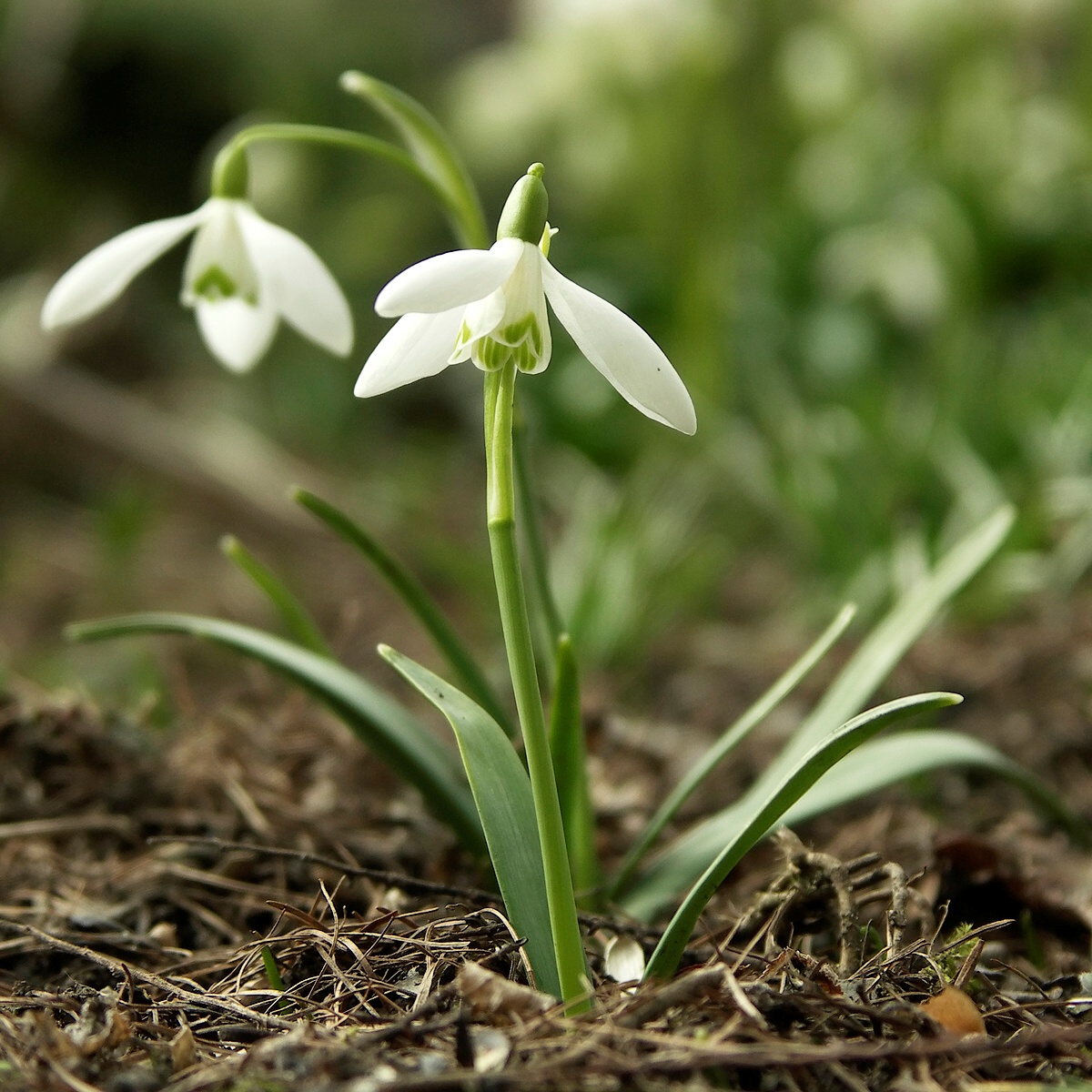 SnowdropGalanthus
White bell-shaped flowers that bloom at the end of winter
🇹🇷 Turkey and 7 more · Wildflower
SnowdropGalanthus
White bell-shaped flowers that bloom at the end of winter
🇹🇷 Turkey and 7 more · Wildflower
More from South Africa
All the flowers of South Africa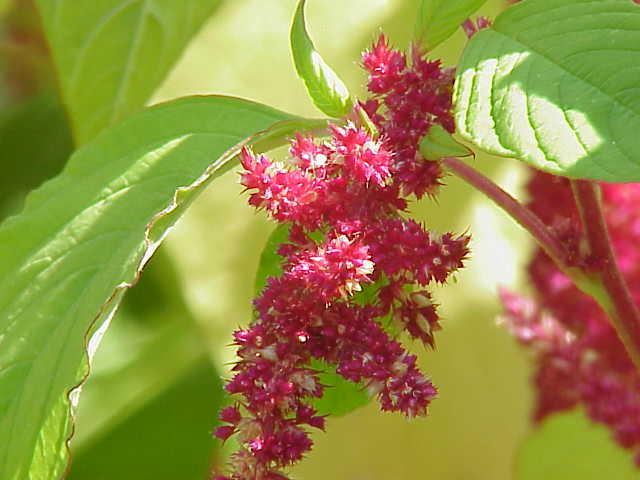 AmaranthAmaranthus
A tall, colourful plant grown for its flowers, leaves and edible seeds
🇲🇽 Mexico and 7 more · Wildflower
AmaranthAmaranthus
A tall, colourful plant grown for its flowers, leaves and edible seeds
🇲🇽 Mexico and 7 more · Wildflower
 Acacia
Shrubs and trees with golden or cream puffball flowers, native mostly to Australia
🇦🇺 Australia and 6 more · Wildflower
Acacia
Shrubs and trees with golden or cream puffball flowers, native mostly to Australia
🇦🇺 Australia and 6 more · Wildflower
 Sensitive PlantMimosa pudica
A touch-sensitive plant whose leaves fold up when disturbed
🇧🇷 Brazil and 8 more · Wildflower
Sensitive PlantMimosa pudica
A touch-sensitive plant whose leaves fold up when disturbed
🇧🇷 Brazil and 8 more · Wildflower
 Prickly pearOpuntia
Cactus with flat pads and edible fruit, native to the Americas
🇲🇽 Mexico and 7 more · Wildflower
Prickly pearOpuntia
Cactus with flat pads and edible fruit, native to the Americas
🇲🇽 Mexico and 7 more · Wildflower