
Nipponanthemum
Nipponanthemum nipponicum, family Asteraceae
A coastal daisy shrub from Japan with white and yellow blooms
Nipponanthemum nipponicum, or Nippon daisy, is a flowering shrub native to Japan's coasts. It grows up to 1 meter tall and has large white and yellow flower heads. Cultivated as an ornamental, it has also spread to seashores in New York and New Jersey.
- Native to coastal Japan and naturalized in parts of the US
- Single flower heads up to 8 cm across with white rays
- Only species in the genus Nipponanthemum
- Central disc flowers can be yellow, red, or purple
What does Nipponanthemum look like?
Nipponanthemum nipponicum is a shrub that can reach about 100 cm in height. Its leaves grow mostly near the top of the stem and are arranged alternately. The plant produces single flower heads up to 8 cm across. The outer petals, called ray flowers, are white, while the central disc flowers are usually yellow but can also be red or purple. This gives the plant a daisy-like appearance.
Where does Nipponanthemum come from?
This plant is native to the coastal areas of Japan, where it grows wild. It is the only species in its genus, Nipponanthemum, which was once grouped with Chrysanthemum. Over time, it has been grown as an ornamental plant in gardens outside its native range. In the United States, it has become naturalized along the seashores of New York and New Jersey after escaping from cultivation.
When and how Nipponanthemum blooms
Nipponanthemum nipponicum is grown for its attractive flowers and is commonly planted in gardens. It thrives in coastal climates and can tolerate salt and wind. The plant is usually propagated from cuttings or by dividing established shrubs. It blooms with large, showy flowers, making it a popular choice for ornamental use.
How Nipponanthemum is used
People grow Nipponanthemum nipponicum mainly as a garden plant because of its striking flowers. It is valued for its ability to withstand coastal conditions and is often used in landscaping near the sea. In some regions, it has escaped gardens and now grows wild along the shoreline.
Kinds of Nipponanthemum
Nipponanthemum nipponicum is the only species in its genus. The flower heads may vary in the color of their central disc flowers, which are usually yellow but can sometimes be red or purple.
What Nipponanthemum means
The plant does not have widely recorded symbolic meanings or uses in festivals or religion. Its main cultural role is as an ornamental shrub in gardens, especially in coastal areas. It is also known as the Montauk daisy in the United States, where it has become part of local seaside landscapes.
Questions people ask about Nipponanthemum
Where does Nipponanthemum nipponicum come from?
It is native to the coastal regions of Japan but has also become naturalized along seashores in New York and New Jersey in the United States.
What does the Nippon daisy look like?
It is a shrub up to 100 cm tall with most leaves near the top of the stem. The plant has single flower heads up to 8 cm wide, with white outer petals and usually yellow, but sometimes red or purple, centers.
How is Nipponanthemum nipponicum used?
It is mainly grown as an ornamental shrub in gardens, especially in coastal areas, and is valued for its large, daisy-like flowers.
Does Nipponanthemum nipponicum have any symbolic meaning?
The sources do not mention any symbolic meanings or religious uses for this plant. It is primarily appreciated for its ornamental value.
Good reading and sources
- USDA Plants DatabaseUS Department of Agriculture, Article
- Plants of the World OnlineRoyal Botanic Gardens, Kew, Plant database
- Where it has been recordedGBIF, Plant database
- Sightings and photos by naturalistsiNaturalist, Plant database
- Nipponanthemum on WikipediaEncyclopedia
- More photos on Wikimedia CommonsPhotos
- Wikidata recordOpen data
The facts on this page come from the Wikipedia article "Nipponanthemum", written by its contributors and used under the CC BY-SA 4.0 licence, and from its Wikidata record (CC0). Phool rewrote the text in its own words, with AI assistance, and compares every page with the article to make sure no passage is copied. It may be reused under the same CC BY-SA 4.0 licence with a link back.
It may contain mistakes. It is not medical or foraging advice: many flowers are poisonous, and traditional uses are reported, not recommended. If something is wrong, tell us. Last refreshed 2026-10-03.
Others in the family Asteraceae
The whole family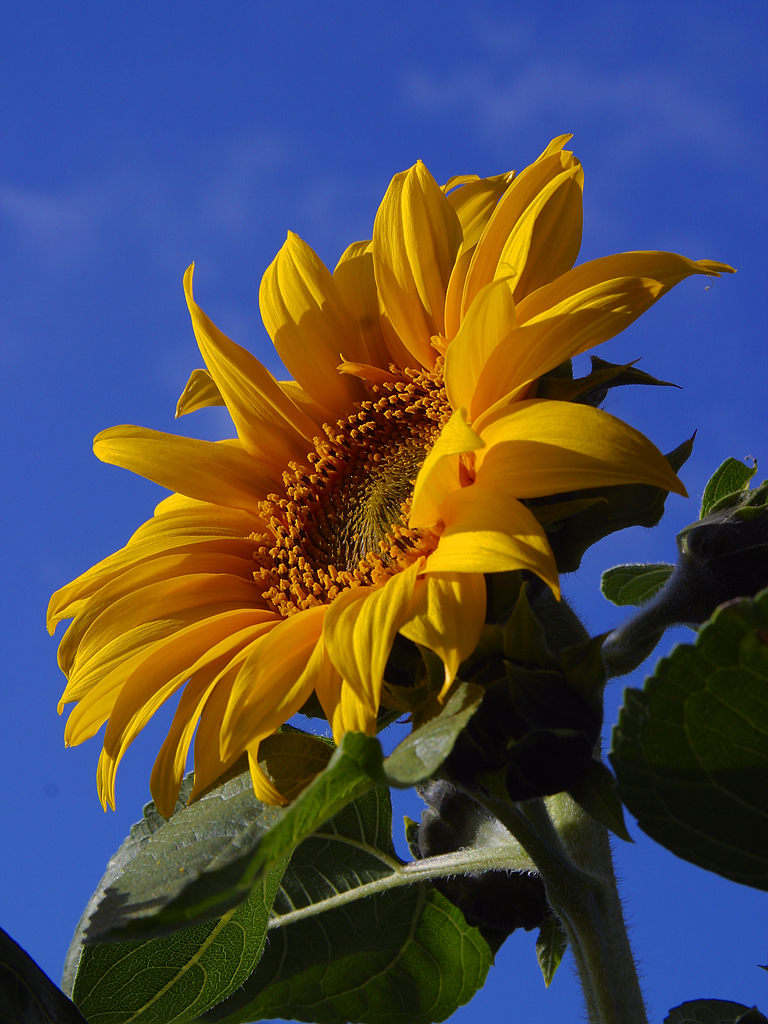 Common sunflowerHelianthus annuus
A tall annual plant grown for its large yellow flower heads and edible seeds
🇨🇦 Canada and 4 more · Wildflower
Common sunflowerHelianthus annuus
A tall annual plant grown for its large yellow flower heads and edible seeds
🇨🇦 Canada and 4 more · Wildflower
 Asteraceae
The vast family of daisies, asters, and sunflowers with star-like flower heads
Asteraceae · Wildflower
Asteraceae
The vast family of daisies, asters, and sunflowers with star-like flower heads
Asteraceae · Wildflower
 DandelionTaraxacum
A yellow-flowered perennial found in fields, lawns, and gardens worldwide
Taraxacum · Wildflower
DandelionTaraxacum
A yellow-flowered perennial found in fields, lawns, and gardens worldwide
Taraxacum · Wildflower
 Dahlia
A bushy perennial with tuberous roots and bright, star-shaped blooms
🇲🇽 Mexico and 1 more · Garden flower
Dahlia
A bushy perennial with tuberous roots and bright, star-shaped blooms
🇲🇽 Mexico and 1 more · Garden flower
More from Japan
All the flowers of Japan PeachPrunus persica
A flowering fruit tree from China, grown for its pink blossoms and sweet fruit
🇨🇳 China and 7 more · Flowering tree
PeachPrunus persica
A flowering fruit tree from China, grown for its pink blossoms and sweet fruit
🇨🇳 China and 7 more · Flowering tree
 BirchBetula
Slender trees with papery bark found across the northern world
🇨🇳 China and 7 more · Wildflower
BirchBetula
Slender trees with papery bark found across the northern world
🇨🇳 China and 7 more · Wildflower
 Chrysanthemum菊花
Autumn-blooming flower with thousands of varieties, cherished in East Asia and beyond
🇨🇳 China and 6 more · Wildflower
Chrysanthemum菊花
Autumn-blooming flower with thousands of varieties, cherished in East Asia and beyond
🇨🇳 China and 6 more · Wildflower
 Sacred lotusNelumbo nucifera
The pink aquatic flower sacred in Asia and grown for food, worship and beauty
🇮🇳 India and 7 more · Water flower
Sacred lotusNelumbo nucifera
The pink aquatic flower sacred in Asia and grown for food, worship and beauty
🇮🇳 India and 7 more · Water flower