
Nymphaea candida
A white-flowered water lily found in quiet Eurasian waters
Nymphaea candida is a perennial aquatic plant with floating white flowers, native to quiet waters from Europe to the Western Himalaya, including Xinjiang. Its broad leaves and showy blooms make it a choice for water gardens, though it is endangered in China and Germany.
- Endangered in China and Germany
- White flowers float on still water
- Native to Eurasia, including Xinjiang
- Grown as an ornamental in water gardens
What does Nymphaea candida look like?
Nymphaea candida is an aquatic herb with oval to nearly round floating leaves, each up to 30 cm long and 25 cm wide, with smooth edges and a deep notch at the base. Its flowers, 5 to 15 cm across, float on the water and are made up of 12 to 20 white petals that get smaller toward the center. The flower has many stamens and a red or yellow disk in the middle. The fruit is round or oval, green to red, and contains brown seeds.
Where does Nymphaea candida come from?
This water lily grows wild in still or slow-moving freshwater habitats across Eurasia, from Europe through Siberia to the Western Himalaya, including Xinjiang. It was first described in 1882 by Carl Borivoj Presl, though sometimes Jan Svatopluk Presl is also credited. The name 'candida' comes from Latin, meaning pure white, referring to its petal color.
When and how Nymphaea candida blooms
Nymphaea candida grows only in water, such as ponds, lakes, and slow streams. It is a perennial, meaning it returns each year from its rhizome, a thick root-like stem. The plant spreads in quiet waters, with leaves and flowers floating at the surface. In gardens, it is cultivated as an ornamental for water features.


How Nymphaea candida is used
People grow Nymphaea candida mainly for its attractive white flowers in water gardens. It is valued for its beauty and ability to cover the water surface with foliage and blooms. There are no traditional uses or religious associations noted in the sources.
Kinds of Nymphaea candida
Nymphaea candida belongs to the section Nymphaea within its genus. The sources do not mention named varieties or cultivars, but it is part of a group of white-flowered water lilies.
What Nymphaea candida means
Nymphaea candida is endangered in China and Germany, making its conservation important in those regions. Its pure white flowers are reflected in its Latin name, but there are no specific cultural or symbolic meanings recorded in the sources.
Where Nymphaea candida is used and seen

Questions people ask about Nymphaea candida
Where does Nymphaea candida come from?
Nymphaea candida is native to quiet freshwater habitats across Eurasia, from Europe through Siberia to the Western Himalaya, including the Xinjiang region.
What does Nymphaea candida look like?
It has broad, floating leaves and white flowers 5 to 15 cm wide, with many petals and a colored disk in the center. The flowers and leaves both float on the water surface.
How is Nymphaea candida used?
It is mainly grown as an ornamental plant in water gardens, valued for its attractive floating flowers and leaves.
Is Nymphaea candida endangered?
Yes, it is listed as endangered in China and Germany, so it is at risk in those areas.
What does the name 'candida' mean?
The word 'candida' comes from Latin and means pure white, describing the color of its petals.
Good reading and sources
- Plants of the World OnlineRoyal Botanic Gardens, Kew, Plant database
- Where it has been recordedGBIF, Plant database
- Sightings and photos by naturalistsiNaturalist, Plant database
The facts on this page come from the Wikipedia article "Nymphaea candida", written by its contributors and used under the CC BY-SA 4.0 licence, and from its Wikidata record (CC0). EveryPhool rewrote the text in its own words, with AI assistance, and compares every page with the article to make sure no passage is copied. It may be reused under the same CC BY-SA 4.0 licence with a link back.
It may contain mistakes. It is not medical or foraging advice: many flowers are poisonous, and traditional uses are reported, not recommended. If something is wrong, tell us. Last refreshed 2026-10-03.
Others in the family Nymphaeaceae
The whole family WaterlilyNymphaea
Floating aquatic flowers found in ponds and lakes worldwide
🇪🇬 Egypt and 7 more · Water flower
WaterlilyNymphaea
Floating aquatic flowers found in ponds and lakes worldwide
🇪🇬 Egypt and 7 more · Water flower
 Water-lily familyNymphaeaceae
Floating aquatic plants with showy flowers and round leaves
🇧🇩 Bangladesh and 2 more · Wildflower
Water-lily familyNymphaeaceae
Floating aquatic plants with showy flowers and round leaves
🇧🇩 Bangladesh and 2 more · Wildflower
 White Water-lilyNymphaea alba
A floating white flower of ponds and lakes across Europe and Asia
🇸🇪 Sweden and 5 more · Wildflower
White Water-lilyNymphaea alba
A floating white flower of ponds and lakes across Europe and Asia
🇸🇪 Sweden and 5 more · Wildflower
 Amazon waterlilyNymphaea amazonum
A night-blooming waterlily from Mexico to tropical South America
🇧🇷 Brazil and 4 more · Wildflower
Amazon waterlilyNymphaea amazonum
A night-blooming waterlily from Mexico to tropical South America
🇧🇷 Brazil and 4 more · Wildflower
More from China
All the flowers of China RoseRosa
Prickly flowering shrubs grown across the world for fragrant blossoms and rose hips
🇨🇳 China and 7 more · Flowering shrub
RoseRosa
Prickly flowering shrubs grown across the world for fragrant blossoms and rose hips
🇨🇳 China and 7 more · Flowering shrub
 PeachPrunus persica
A flowering fruit tree from China, grown for its pink blossoms and sweet fruit
🇨🇳 China and 7 more · Flowering tree
PeachPrunus persica
A flowering fruit tree from China, grown for its pink blossoms and sweet fruit
🇨🇳 China and 7 more · Flowering tree
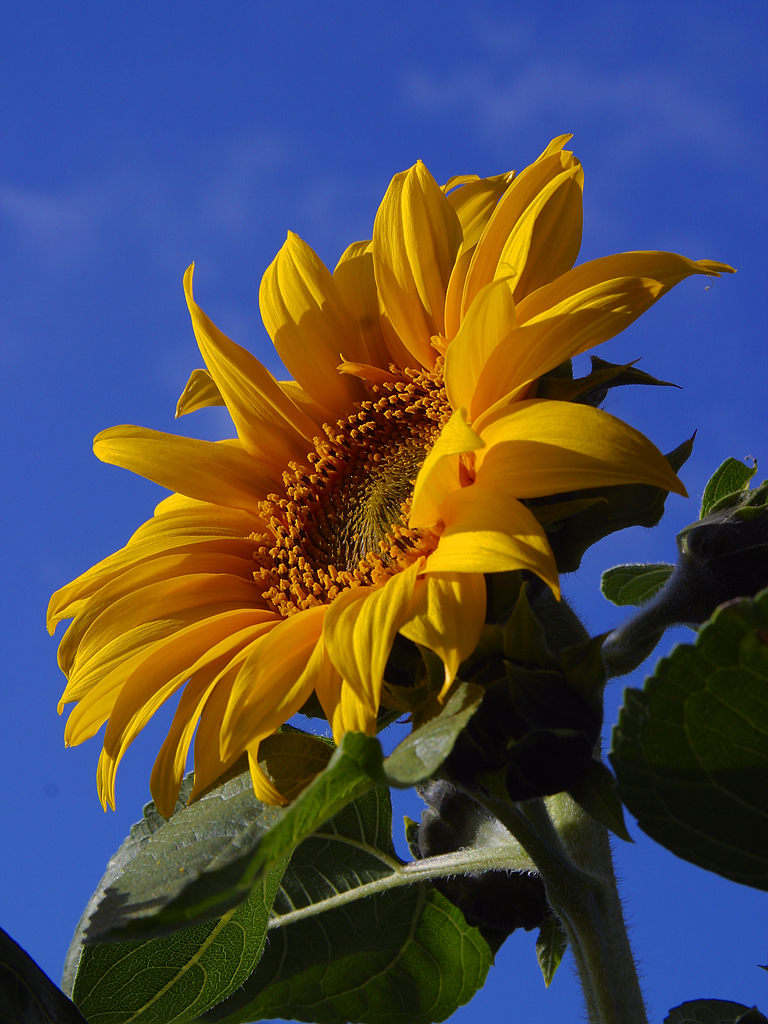 Common sunflowerHelianthus annuus
A tall annual plant grown for its large yellow flower heads and edible seeds
🇨🇦 Canada and 4 more · Wildflower
Common sunflowerHelianthus annuus
A tall annual plant grown for its large yellow flower heads and edible seeds
🇨🇦 Canada and 4 more · Wildflower
 PomegranatePunica granatum
A shrub with bright red flowers and a fruit full of edible seeds
🇮🇷 Iran and 9 more · Flowering shrub
PomegranatePunica granatum
A shrub with bright red flowers and a fruit full of edible seeds
🇮🇷 Iran and 9 more · Flowering shrub