
Cotton thistle
Onopordum acanthium, family Asteraceae
Tall, spiny thistle with pink to lavender globe-shaped flowers
Cotton thistle is a large, spiny biennial plant with woolly leaves and globe-shaped pink to lavender flowers. Native to Eurasia, it now grows wild in many temperate regions and is valued for its bold appearance but can become invasive in pastures and fields.
- Can grow up to 3 meters tall with spiny, woolly leaves
- Produces thousands of seeds per plant each summer
- Native to Eurasia but now widespread in Australia and the US
- Used as an ornamental and for stuffing pillows in the past
- Sometimes confused with the true Scottish thistle
What does Cotton thistle look like?
Cotton thistle is a striking plant that can reach up to 3 meters in height and spread nearly 1.5 meters wide. Its leaves are deeply lobed, covered in white, cotton-like hairs, and edged with sharp, stiff spines. The stems are thick and winged with spiny extensions. In summer, it produces globe-shaped flower heads, 2 to 6 centimeters across, in shades from dark pink to lavender. Each flower sits above a ring of long, outward-pointing bracts tipped with spines.
Where does Cotton thistle come from?
This thistle is native to a broad area stretching from southwestern Europe across to Kazakhstan and up into central Scandinavia. It prefers regions with dry summers and fertile soils, such as pastures, fields, and disturbed ground. The plant has been introduced to many other parts of the world, including North America and Australia, where it has spread rapidly and is now considered a weed in some places. Its name comes from the cottony hairs on its leaves, and the genus name has roots in ancient Greek words for 'donkey', 'to fart', and 'thorn'.
When and how Cotton thistle blooms
Cotton thistle grows as a rosette of leaves in its first year, storing energy in a thick taproot. In its second year, it sends up tall, branched stems topped with flowers. Seeds are produced in large numbers after flowering and are mainly spread by wind, animals, and water. The plant thrives in sunny, open areas with well-drained, nutrient-rich soils and can germinate at various times depending on moisture and temperature.


How Cotton thistle is used
People have grown cotton thistle for its dramatic look in gardens, though its spines make it difficult to handle. In the past, the flower base was eaten like artichoke, and the soft hairs from the stem were sometimes used to stuff pillows. Oil from its seeds has served for burning and cooking. The plant also provides nectar for pollinators and seeds for birds.
Kinds of Cotton thistle
There are three accepted subspecies: the widespread Onopordum acanthium subsp. acanthium, subsp. gautieri found in France and Spain, and subsp. parnassicum in Greece. Cotton thistle can hybridize with related thistles, especially in Australia.
What Cotton thistle means
Cotton thistle is sometimes called Scottish thistle, but the national flower of Scotland is a different species. Its bold form and spiny leaves have made it a symbol in heraldry. In many countries, it is considered an invasive weed, forming dense stands that can block access for livestock and people.
Questions people ask about Cotton thistle
Where does cotton thistle come from?
Cotton thistle is native to a wide area of Eurasia, from the Iberian Peninsula across to Kazakhstan and north into central Scandinavia. It has also become established in many other regions, including North America and Australia.
What does cotton thistle look like?
It is a tall, spiny plant with deeply lobed, woolly leaves and thick, winged stems. Its globe-shaped flowers are pink to lavender and appear in summer, each surrounded by stiff, spiny bracts.
Is cotton thistle the national flower of Scotland?
No, the national flower of Scotland is Cirsium vulgare, also called spear thistle. Cotton thistle is sometimes called Scottish thistle but is a different species.
How is cotton thistle used?
It has been grown for its bold appearance in gardens, and in the past, its flower base was eaten like artichoke. The plant also provides nectar for pollinators and seeds for birds.
Why is cotton thistle considered invasive?
In places like Australia and the United States, cotton thistle spreads quickly and forms dense, spiny stands that can crowd out other plants and block access for livestock, making it a troublesome weed.
Good reading and sources
- USDA Plants DatabaseUS Department of Agriculture, Article
- Onopordum acanthiumRoyal Horticultural Society, Article
- Plants of the World OnlineRoyal Botanic Gardens, Kew, Plant database
- Where it has been recordedGBIF, Plant database
- Sightings and photos by naturalistsiNaturalist, Plant database
- Onopordum acanthium on WikipediaEncyclopedia
- More photos on Wikimedia CommonsPhotos
- Wikidata recordOpen data
The facts on this page come from the Wikipedia article "Onopordum acanthium", written by its contributors and used under the CC BY-SA 4.0 licence, and from its Wikidata record (CC0). Phool rewrote the text in its own words, with AI assistance, and compares every page with the article to make sure no passage is copied. It may be reused under the same CC BY-SA 4.0 licence with a link back.
It may contain mistakes. It is not medical or foraging advice: many flowers are poisonous, and traditional uses are reported, not recommended. If something is wrong, tell us. Last refreshed 2026-10-03.
Others in the family Asteraceae
The whole family Chrysanthemum菊花
Autumn-blooming flower with thousands of varieties, cherished in East Asia and beyond
🇨🇳 China and 6 more · Wildflower
Chrysanthemum菊花
Autumn-blooming flower with thousands of varieties, cherished in East Asia and beyond
🇨🇳 China and 6 more · Wildflower
 Asteraceae
The vast family of daisies, asters, and sunflowers with star-like flower heads
Asteraceae · Wildflower
Asteraceae
The vast family of daisies, asters, and sunflowers with star-like flower heads
Asteraceae · Wildflower
 DandelionTaraxacum
A yellow-flowered perennial found in fields, lawns, and gardens worldwide
Taraxacum · Wildflower
DandelionTaraxacum
A yellow-flowered perennial found in fields, lawns, and gardens worldwide
Taraxacum · Wildflower
 Dahlia
A bushy perennial with tuberous roots and bright, star-shaped blooms
🇲🇽 Mexico and 1 more · Garden flower
Dahlia
A bushy perennial with tuberous roots and bright, star-shaped blooms
🇲🇽 Mexico and 1 more · Garden flower
More from China
All the flowers of China PeachPrunus persica
A flowering fruit tree from China, grown for its pink blossoms and sweet fruit
🇨🇳 China and 7 more · Flowering tree
PeachPrunus persica
A flowering fruit tree from China, grown for its pink blossoms and sweet fruit
🇨🇳 China and 7 more · Flowering tree
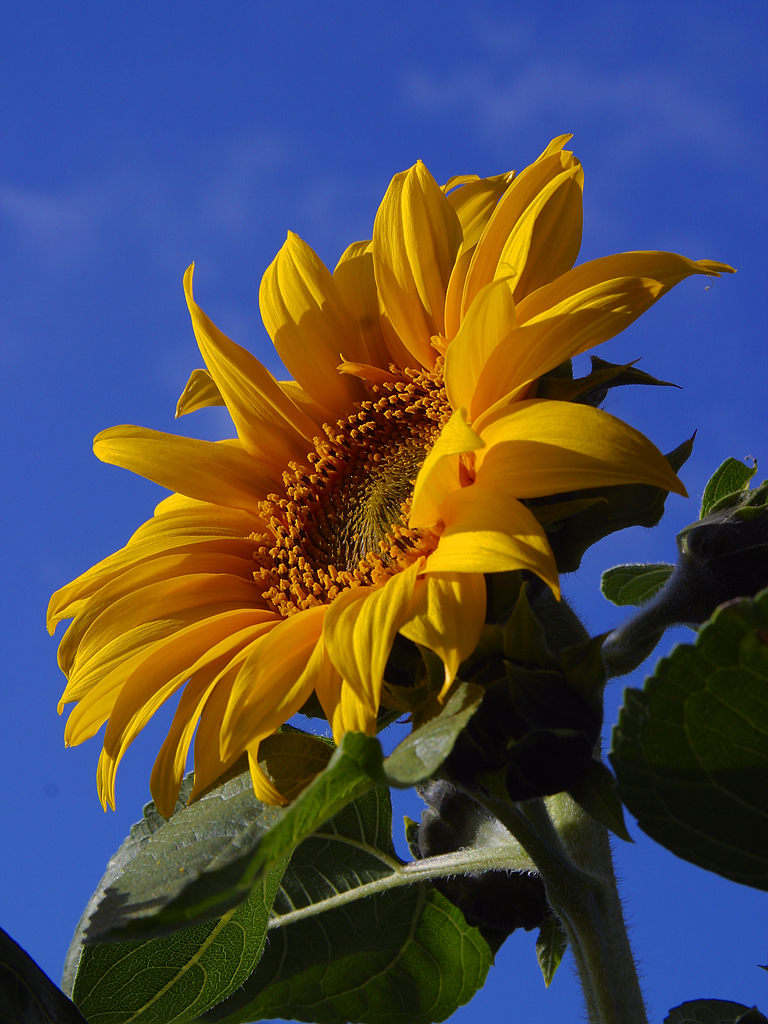 Common sunflowerHelianthus annuus
A tall annual plant grown for its large yellow flower heads and edible seeds
🇨🇦 Canada and 4 more · Wildflower
Common sunflowerHelianthus annuus
A tall annual plant grown for its large yellow flower heads and edible seeds
🇨🇦 Canada and 4 more · Wildflower
 PomegranatePunica granatum
A shrub with bright red flowers and a fruit full of edible seeds
🇮🇷 Iran and 9 more · Flowering shrub
PomegranatePunica granatum
A shrub with bright red flowers and a fruit full of edible seeds
🇮🇷 Iran and 9 more · Flowering shrub
 BirchBetula
Slender trees with papery bark found across the northern world
🇨🇳 China and 7 more · Wildflower
BirchBetula
Slender trees with papery bark found across the northern world
🇨🇳 China and 7 more · Wildflower