
Bee orchid
Ophrys apifera, family Orchidaceae
A wild orchid with flowers that mimic the look and scent of a female bee
The bee orchid is a perennial wild orchid found across central and southern Europe, North Africa, and the Middle East. Its flowers imitate the shape and scent of a female bee, attracting pollinators in the Mediterranean but self-pollinating further north. People have used its roots for traditional salep, and it is protected or endangered in several countries.
- Flowers mimic female bees to attract pollinators in the Mediterranean
- Self-pollinates in northern parts of its range
- Roots were used to make salep, a traditional powder in Turkey and the Middle East
- Protected or endangered in several European countries
- County flower of Bedfordshire, UK
What does Bee orchid look like?
Bee orchid plants grow 15 to 50 cm tall, with small rosettes of ovate or lance-shaped leaves that appear in autumn and grow through winter. The flower spike carries up to twelve blooms, each with three large purple sepals and two short, green, hairy petals. The most striking feature is the labellum, a modified petal that is hairy and patterned to look like a female bee, with variable colours and markings. The central column, unique to orchids, fuses the reproductive parts.
Where does Bee orchid come from?
Bee orchids are native to a wide area from Portugal and Ireland east to Iran and the Caucasus, thriving in central and southern Europe, North Africa, and the Middle East. They are common in the Mediterranean but less so in the north, where they may appear in large numbers some years and vanish for others. The genus Ophrys is highly diverse in Europe and the Mediterranean. The name comes from Greek and Latin, referring to the plant’s eyebrow-like appearance and bee-shaped flower.
When and how Bee orchid blooms
Bee orchids bloom from mid-April in continental Europe and from June to July in the UK. They grow in semi-dry grasslands, limestone areas, calcareous dunes, and open woodland, preferring well-drained, low-nutrient soils. They often colonize disturbed sites like old quarries and roadside verges. The plant relies on a symbiotic relationship with fungi in the soil, especially for seed germination, which can take months or years underground.


How Bee orchid is used
The tubers of bee orchids were ground into salep, a powder used in traditional dishes and believed to have medicinal and aphrodisiac properties in the Ottoman Empire and later in Europe and the Middle East. Today, the plant is protected in some countries and is the county flower of Bedfordshire. It has also appeared on postage stamps in several countries.
Kinds of Bee orchid
There are several named varieties of bee orchid, including var. apifera, aurita, bicolor, botteronii, friburgensis, immaculata, trollii, fulvofusca, belgarum, jurana, and atrofuscus. The pattern and colour of the labellum can vary widely between individuals and regions.
What Bee orchid means
Bee orchids are valued for their mimicry and unique pollination strategy. In the Mediterranean, they attract male bees by imitating both the look and scent of female bees. In the north, they mostly self-pollinate. The species is protected or endangered in several countries due to habitat loss and overharvesting for salep. It is a symbol for Bedfordshire and has featured on stamps, including a UK series marking Darwin’s Origin of Species.
Questions people ask about Bee orchid
Where does the bee orchid come from?
The bee orchid is native to central and southern Europe, North Africa, and the Middle East, with its range stretching from Portugal and Ireland east to Iran and the Caucasus.
What does the bee orchid flower look like?
The flower has three large purple sepals and a central petal called the labellum, which is hairy and patterned to closely resemble a female bee. This mimicry helps attract pollinators in some regions.
How is the bee orchid pollinated?
In the Mediterranean, male bees are attracted to the flower’s scent and appearance, mistaking it for a female bee and transferring pollen. In northern areas, the bee orchid mainly self-pollinates.
What is salep and how is the bee orchid involved?
Salep is a powder made from the ground tubers of orchids, including the bee orchid. It was used in traditional dishes and believed to have medicinal properties, especially in Turkey and the Middle East.
Is the bee orchid protected or endangered?
The bee orchid is protected in some countries and considered endangered or critically endangered in others, largely due to habitat loss and overharvesting for salep.
Good reading and sources
- Encyclopaedia BritannicaArticle
- Ophrys apiferaRoyal Horticultural Society, Article
- Plants of the World OnlineRoyal Botanic Gardens, Kew, Plant database
- Where it has been recordedGBIF, Plant database
- Sightings and photos by naturalistsiNaturalist, Plant database
- Ophrys apifera on WikipediaEncyclopedia
- More photos on Wikimedia CommonsPhotos
- Wikidata recordOpen data
The facts on this page come from the Wikipedia article "Ophrys apifera", written by its contributors and used under the CC BY-SA 4.0 licence, and from its Wikidata record (CC0). Phool rewrote the text in its own words, with AI assistance, and compares every page with the article to make sure no passage is copied. It may be reused under the same CC BY-SA 4.0 licence with a link back.
It may contain mistakes. It is not medical or foraging advice: many flowers are poisonous, and traditional uses are reported, not recommended. If something is wrong, tell us. Last refreshed 2026-10-03.
Others in the family Orchidaceae
The whole family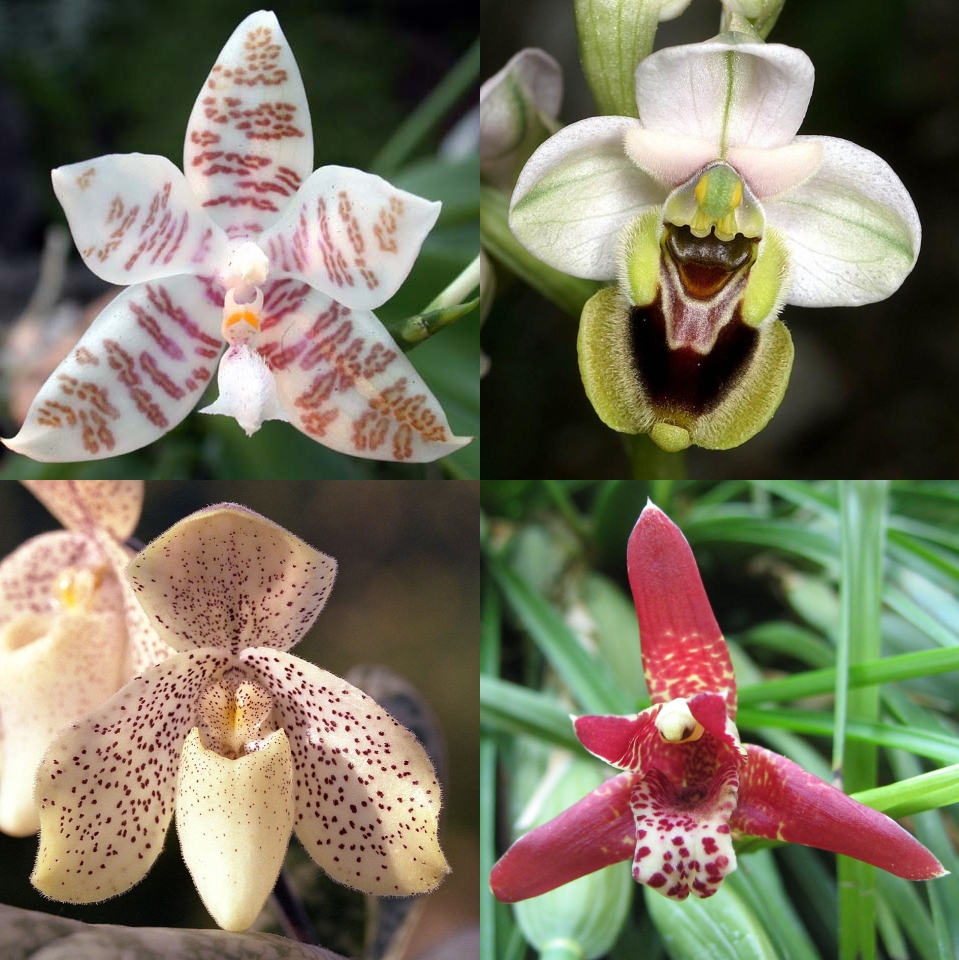 OrchidOrchidaceae
A vast family of colourful, often fragrant flowers found almost everywhere on earth
Orchidaceae · Wildflower
OrchidOrchidaceae
A vast family of colourful, often fragrant flowers found almost everywhere on earth
Orchidaceae · Wildflower
 Vanilla
Climbing orchids with pods used for the world’s most popular flavor
🇲🇽 Mexico and 7 more · Wildflower
Vanilla
Climbing orchids with pods used for the world’s most popular flavor
🇲🇽 Mexico and 7 more · Wildflower
 Orchis
A group of wild orchids with tuberous roots from Europe, North Africa and Asia
🇹🇷 Turkey and 7 more · Wildflower
Orchis
A group of wild orchids with tuberous roots from Europe, North Africa and Asia
🇹🇷 Turkey and 7 more · Wildflower
 Pansy orchidMiltoniopsis
An orchid with flowers that resemble garden pansies
🇨🇷 Costa Rica and 5 more · Orchid
Pansy orchidMiltoniopsis
An orchid with flowers that resemble garden pansies
🇨🇷 Costa Rica and 5 more · Orchid
More from the United Kingdom
All the flowers of the United Kingdom Narcissus
Spring-flowering bulbs with trumpet-shaped blooms in white, yellow, and orange
🇬🇧 United Kingdom and 7 more · Wildflower
Narcissus
Spring-flowering bulbs with trumpet-shaped blooms in white, yellow, and orange
🇬🇧 United Kingdom and 7 more · Wildflower
 HawthornCrataegus
A thorny shrub or tree with white or pink spring flowers and small edible fruits
🇮🇪 Ireland and 7 more · Wildflower
HawthornCrataegus
A thorny shrub or tree with white or pink spring flowers and small edible fruits
🇮🇪 Ireland and 7 more · Wildflower
 BlackthornPrunus spinosa
A spiny shrub with white spring flowers and tart blue-black fruit
🇬🇧 United Kingdom and 7 more · Wildflower
BlackthornPrunus spinosa
A spiny shrub with white spring flowers and tart blue-black fruit
🇬🇧 United Kingdom and 7 more · Wildflower
 Common poppyPapaver rhoeas
The vivid red wildflower of fields and remembrance
🇨🇳 China and 7 more · Wildflower
Common poppyPapaver rhoeas
The vivid red wildflower of fields and remembrance
🇨🇳 China and 7 more · Wildflower