
Paphiopedilum delenatii
A fragrant slipper orchid from the shady forests of southeastern Vietnam
Paphiopedilum delenatii is a slipper orchid native to southeastern Vietnam, where it grows near water in shady, mossy spots on granite and tree trunks. Its fragrant flowers bloom in winter in the wild and later in cultivation, and it has several named forms.
- Native to southeastern Vietnam at 800–1300 meters elevation
- First discovered in 1913, described in 1924
- Believed extinct in the wild until rediscovered in 1993
- Fragrant flowers bloom in winter in the wild
- Grows on granite pebbles and mossy tree trunks near water
What does Paphiopedilum delenatii look like?
Paphiopedilum delenatii is a type of slipper orchid, known for its pouch-shaped flower. The plant grows low to the ground, often among granite pebbles or on mossy tree trunks. Its flowers are fragrant and appear singly on each stem. The bloom has a unique shape typical of Paphiopedilum orchids, with a prominent pouch and spreading petals. The exact flower color is not given in the sources.
Where does Paphiopedilum delenatii come from?
This orchid is native to the forests of southeastern Vietnam, where it grows at elevations between 800 and 1300 meters. It was first discovered in 1913 and brought to France by soldiers. Named after the French orchid enthusiast Delanat, it was described in 1924. For many years, it was thought to be extinct in the wild until it was rediscovered in 1993.
When and how Paphiopedilum delenatii blooms
In its natural habitat, Paphiopedilum delenatii grows in shady areas near water, often on granite or mossy tree trunks. The area experiences fog from autumn to winter and heavy rain in summer. In the wild, it blooms in December. When cultivated, flowering usually happens from January to March, or July to September in the southern hemisphere.
How Paphiopedilum delenatii is used
Paphiopedilum delenatii is mainly grown by orchid enthusiasts and collectors for its unique and fragrant flowers. It is valued for home decoration and as a specimen plant in collections. The sources do not mention any traditional, ceremonial, or medicinal uses.
Kinds of Paphiopedilum delenatii
There are several named forms of Paphiopedilum delenatii, including f. albinum, f. vinicolor, and f. lutescens. These forms differ in flower color or markings, though the sources do not describe the exact differences.
What Paphiopedilum delenatii means
The orchid is named after Delanat, a French enthusiast. Its rediscovery in the wild after being thought extinct adds to its significance among collectors and botanists. There is no mention of symbolism, religious use, or cultural festivals tied to this species.
Questions people ask about Paphiopedilum delenatii
Where does Paphiopedilum delenatii come from?
Paphiopedilum delenatii is native to southeastern Vietnam, where it grows in shady, moist forests at elevations of 800 to 1300 meters.
When does Paphiopedilum delenatii flower?
In the wild, it blooms in December. In cultivation, flowering usually happens from January to March, or July to September in the southern hemisphere.
What does Paphiopedilum delenatii smell like?
The flowers of Paphiopedilum delenatii are fragrant, though the sources do not describe the scent in detail.
What is special about Paphiopedilum delenatii?
It was believed extinct in the wild for many years until its rediscovery in 1993, and is valued for its unique, fragrant flowers.
Are there different forms of Paphiopedilum delenatii?
Yes, several forms are named, such as f. albinum, f. vinicolor, and f. lutescens, which differ in flower color or markings.
Good reading and sources
- IUCN Red List of Threatened SpeciesIUCN Red List, Article
- Paphiopedilum delenatiiRoyal Horticultural Society, Article
- Plants of the World OnlineRoyal Botanic Gardens, Kew, Plant database
- Where it has been recordedGBIF, Plant database
- Sightings and photos by naturalistsiNaturalist, Plant database
- Paphiopedilum delenatii on WikipediaEncyclopedia
- More photos on Wikimedia CommonsPhotos
- Wikidata recordOpen data
The facts on this page come from the Wikipedia article "Paphiopedilum delenatii", written by its contributors and used under the CC BY-SA 4.0 licence, and from its Wikidata record (CC0). Phool rewrote the text in its own words, with AI assistance, and compares every page with the article to make sure no passage is copied. It may be reused under the same CC BY-SA 4.0 licence with a link back.
It may contain mistakes. It is not medical or foraging advice: many flowers are poisonous, and traditional uses are reported, not recommended. If something is wrong, tell us. Last refreshed 2026-10-03.
Others in the family Orchidaceae
The whole family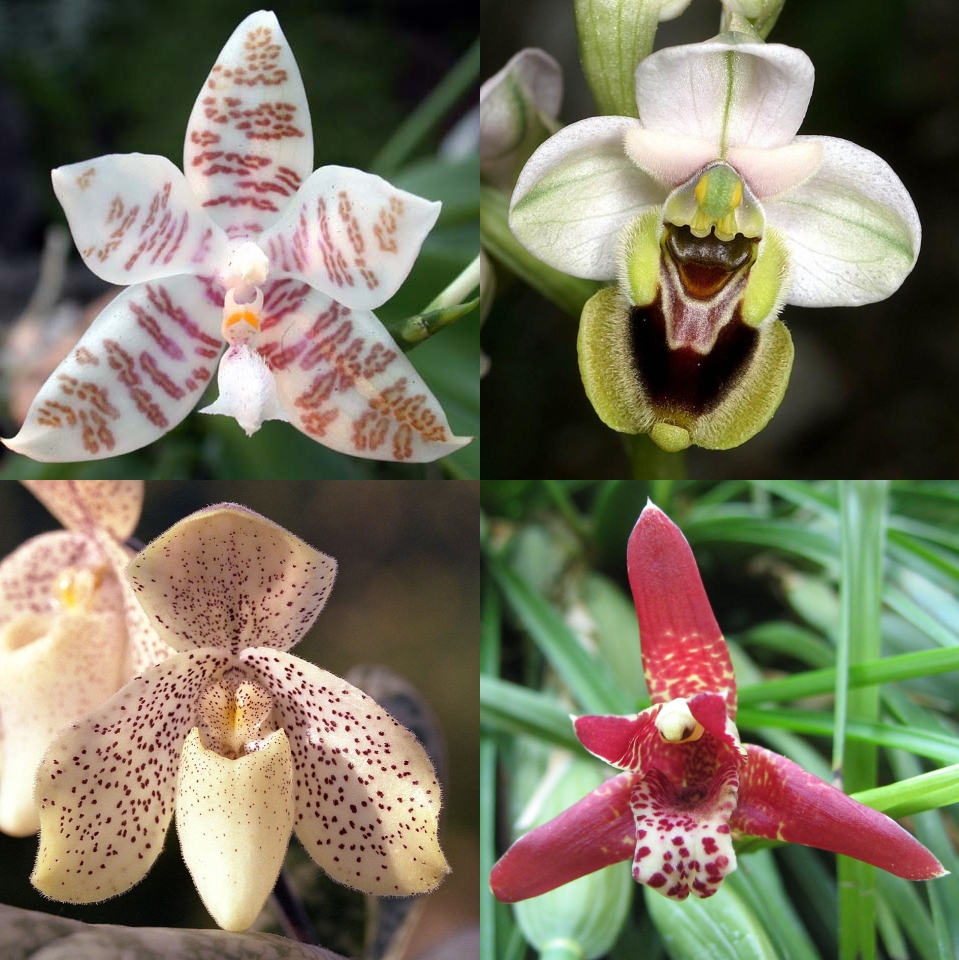 OrchidOrchidaceae
A vast family of colourful, often fragrant flowers found almost everywhere on earth
Orchidaceae · Wildflower
OrchidOrchidaceae
A vast family of colourful, often fragrant flowers found almost everywhere on earth
Orchidaceae · Wildflower
 Vanilla
Climbing orchids with pods used for the world’s most popular flavor
🇲🇽 Mexico and 7 more · Wildflower
Vanilla
Climbing orchids with pods used for the world’s most popular flavor
🇲🇽 Mexico and 7 more · Wildflower
 Orchis
A group of wild orchids with tuberous roots from Europe, North Africa and Asia
🇹🇷 Turkey and 7 more · Wildflower
Orchis
A group of wild orchids with tuberous roots from Europe, North Africa and Asia
🇹🇷 Turkey and 7 more · Wildflower
 Waling-walingVanda sanderiana
A rare orchid known as the 'Queen of Philippine flowers'
🇵🇭 Philippines · Orchid
Waling-walingVanda sanderiana
A rare orchid known as the 'Queen of Philippine flowers'
🇵🇭 Philippines · Orchid
More from Vietnam
All the flowers of Vietnam Sacred lotusNelumbo nucifera
The pink aquatic flower sacred in Asia and grown for food, worship and beauty
🇮🇳 India and 7 more · Water flower
Sacred lotusNelumbo nucifera
The pink aquatic flower sacred in Asia and grown for food, worship and beauty
🇮🇳 India and 7 more · Water flower
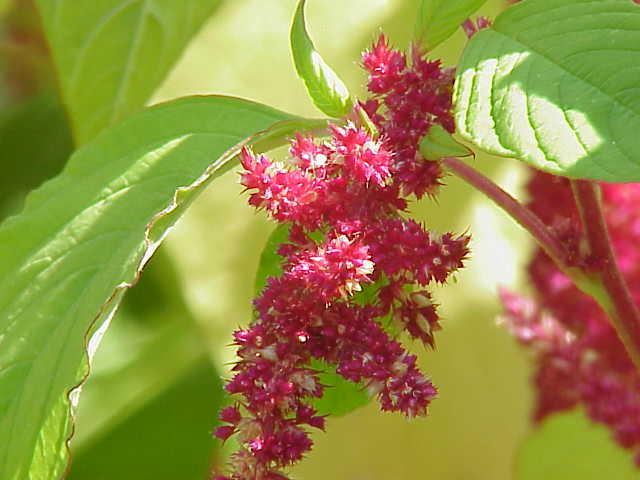 AmaranthAmaranthus
A tall, colourful plant grown for its flowers, leaves and edible seeds
🇲🇽 Mexico and 7 more · Wildflower
AmaranthAmaranthus
A tall, colourful plant grown for its flowers, leaves and edible seeds
🇲🇽 Mexico and 7 more · Wildflower
 LotusNelumbo
Aquatic plants with large, round leaves and striking flowers called lotus
🇮🇳 India and 7 more · Water flower
LotusNelumbo
Aquatic plants with large, round leaves and striking flowers called lotus
🇮🇳 India and 7 more · Water flower
 Camellia
Evergreen shrubs and trees with showy blooms, best known for tea and garden flowers
🇨🇳 China and 6 more · Garden flower
Camellia
Evergreen shrubs and trees with showy blooms, best known for tea and garden flowers
🇨🇳 China and 6 more · Garden flower