
Phalaenopsis sanderiana
A pendant-growing orchid native to the Philippines with showy flower clusters
Phalaenopsis sanderiana is an orchid species found in the Philippines. It grows as a pendant epiphyte with rounded, hanging leaves and produces long flower stems holding 15 to 20 showy blooms. Several forms and varieties are known.
- Native to the Philippines
- Produces 15–20 flowers on a single long raceme
- Named after M. Fredrick Sander
- Grows as a pendant epiphyte with hanging leaves
What does Phalaenopsis sanderiana look like?
Phalaenopsis sanderiana is an epiphytic orchid, meaning it grows on other plants rather than in soil. Its leaves are pendulous, rounded at the tips, and hang down from the plant. The flower stems, or racemes, can reach about 32 inches in length and carry between 15 and 20 flowers at a time. The overall look is of a graceful, hanging orchid with showy blooms grouped along a long, arching stem.
Where does Phalaenopsis sanderiana come from?
This orchid is native to the Philippines, where it grows in the wild as an epiphyte. The species was named in honour of M. Fredrick Sander, a notable figure in orchid history. Its natural habitat and the details of its discovery are tied to the rich orchid flora of the Philippines, a country known for its diverse and unique orchid species.
When and how Phalaenopsis sanderiana blooms
Phalaenopsis sanderiana blooms on long, arching racemes that emerge from the plant, each carrying many flowers. As an epiphyte, it anchors itself on trees and absorbs moisture and nutrients from the air and rain. The plant produces its distinctive pendulous leaves and flower stems in suitable tropical conditions. It is propagated and grown by orchid enthusiasts for its attractive flowering habit.


How Phalaenopsis sanderiana is used
The sources do not mention any specific uses for Phalaenopsis sanderiana. It is primarily noted for its ornamental value among orchid collectors and growers, who appreciate its showy flowers and elegant growth form. There are no references to traditional, cultural, or medicinal uses.
Kinds of Phalaenopsis sanderiana
Several forms and varieties of Phalaenopsis sanderiana have been described. These include Phalaenopsis sanderiana var. marmorata and Phalaenopsis sanderiana f. alba, which differ in flower colour or markings. Such variations are of interest to orchid specialists and collectors.
What Phalaenopsis sanderiana means
Phalaenopsis sanderiana is named after M. Fredrick Sander, reflecting its connection to orchid history and collectors. While the sources do not mention symbolic meanings or cultural roles, the species is part of the rich orchid heritage of the Philippines, a region celebrated for its diverse native orchids.
Questions people ask about Phalaenopsis sanderiana
Where does Phalaenopsis sanderiana come from?
Phalaenopsis sanderiana is native to the Philippines, where it grows in the wild as an epiphytic orchid.
What does Phalaenopsis sanderiana look like?
It has rounded, pendulous leaves and produces long flower stems that can hold 15 to 20 showy flowers at a time.
How does Phalaenopsis sanderiana grow?
This orchid grows as an epiphyte, attaching itself to trees and absorbing moisture and nutrients from the air.
Are there different varieties of Phalaenopsis sanderiana?
Yes, there are several forms and varieties, including var. marmorata and f. alba, which differ in flower colour or markings.
What is Phalaenopsis sanderiana used for?
The sources only mention its ornamental value among orchid collectors and growers, with no other specific uses noted.
Good reading and sources
- Plants of the World OnlineRoyal Botanic Gardens, Kew, Plant database
- Where it has been recordedGBIF, Plant database
- Sightings and photos by naturalistsiNaturalist, Plant database
- Phalaenopsis sanderiana on WikipediaEncyclopedia
- More photos on Wikimedia CommonsPhotos
- Wikidata recordOpen data
The facts on this page come from the Wikipedia article "Phalaenopsis sanderiana", written by its contributors and used under the CC BY-SA 4.0 licence, and from its Wikidata record (CC0). Phool rewrote the text in its own words, with AI assistance, and compares every page with the article to make sure no passage is copied. It may be reused under the same CC BY-SA 4.0 licence with a link back.
It may contain mistakes. It is not medical or foraging advice: many flowers are poisonous, and traditional uses are reported, not recommended. If something is wrong, tell us. Last refreshed 2026-10-03.
Others in the family Orchidaceae
The whole family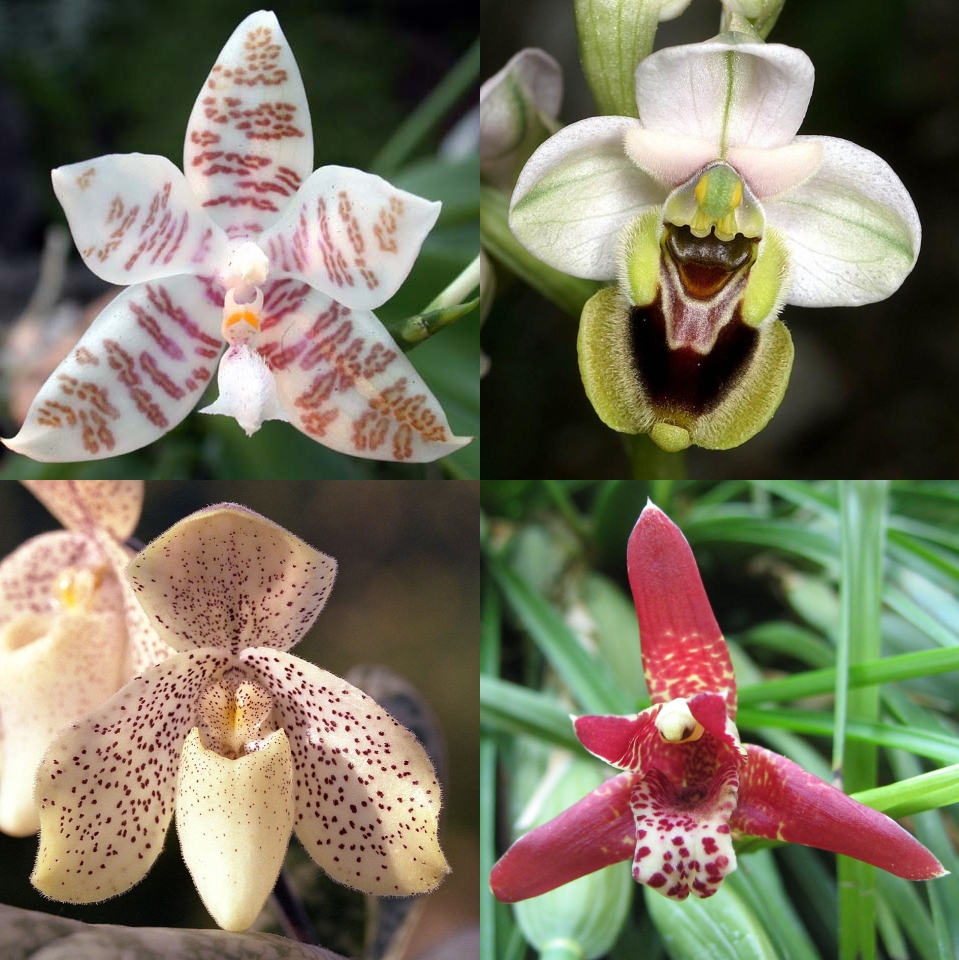 OrchidOrchidaceae
A vast family of colourful, often fragrant flowers found almost everywhere on earth
Orchidaceae · Wildflower
OrchidOrchidaceae
A vast family of colourful, often fragrant flowers found almost everywhere on earth
Orchidaceae · Wildflower
 Vanilla
Climbing orchids with pods used for the world’s most popular flavor
🇲🇽 Mexico and 7 more · Wildflower
Vanilla
Climbing orchids with pods used for the world’s most popular flavor
🇲🇽 Mexico and 7 more · Wildflower
 Orchis
A group of wild orchids with tuberous roots from Europe, North Africa and Asia
🇹🇷 Turkey and 7 more · Wildflower
Orchis
A group of wild orchids with tuberous roots from Europe, North Africa and Asia
🇹🇷 Turkey and 7 more · Wildflower
 Waling-walingVanda sanderiana
A rare orchid known as the 'Queen of Philippine flowers'
🇵🇭 Philippines · Orchid
Waling-walingVanda sanderiana
A rare orchid known as the 'Queen of Philippine flowers'
🇵🇭 Philippines · Orchid
More from the Philippines
All the flowers of the Philippines JasmineJasminum
A group of fragrant shrubs and vines with white or yellow star-shaped flowers
🇵🇰 Pakistan and 7 more · Wildflower
JasmineJasminum
A group of fragrant shrubs and vines with white or yellow star-shaped flowers
🇵🇰 Pakistan and 7 more · Wildflower
 WaterlilyNymphaea
Floating aquatic flowers found in ponds and lakes worldwide
🇪🇬 Egypt and 7 more · Water flower
WaterlilyNymphaea
Floating aquatic flowers found in ponds and lakes worldwide
🇪🇬 Egypt and 7 more · Water flower
 AchioteBixa orellana
Shrub with spiky red pods, source of the natural dye annatto
🇧🇷 Brazil and 9 more · Flowering shrub
AchioteBixa orellana
Shrub with spiky red pods, source of the natural dye annatto
🇧🇷 Brazil and 9 more · Flowering shrub
 Pigeon orchidDendrobium crumenatum
A white, fragrant orchid that blooms all at once after rain
🇮🇳 India and 5 more · Wildflower
Pigeon orchidDendrobium crumenatum
A white, fragrant orchid that blooms all at once after rain
🇮🇳 India and 5 more · Wildflower