
Japanese flowering cherry
Prunus serrulata, family Rosaceae
The cherry tree grown for its spring blossom in Japan and beyond
Japanese flowering cherry is a small deciduous tree native to parts of China, Japan, Korea, and Vietnam. It is widely grown for its showy white or pink spring blossoms, with many cultivated varieties featuring double flowers, and is central to cherry blossom viewing customs.
- Flowers appear in clusters of two to five each spring
- Cultivated for ornamental blossoms, not fruit
- Many varieties have double or semi-double flowers
- Central to the Japanese custom of hanami
- 'Kanzan' is a popular cultivar in Europe and North America
What does Japanese flowering cherry look like?
Japanese flowering cherry is a small tree, usually 8 to 12 metres tall, with a short trunk and a dense, rounded crown. Its bark is smooth and chestnut-brown, marked by horizontal lines. Leaves are simple, pointed and turn yellow, red, or crimson in autumn. In spring, clusters of two to five flowers bloom at the same time as new leaves appear. Wild trees have five-petalled flowers, white to pink, while cultivated forms often have double or semi-double blossoms in shades from white to deep pink, and sometimes cream or pale yellow. The fruit is a small, bitter black cherry rarely eaten raw.
Where does Japanese flowering cherry come from?
Prunus serrulata grows wild in China, Japan, Korea, and Vietnam. In Japan, people have bred many ornamental cultivars by crossing wild cherries, especially the Oshima cherry, since at least the Kamakura period. These trees were planted in temple grounds, shrines, and gardens, and became central to urban life during the Edo period. The tree spread to temperate regions worldwide as an ornamental, and is now a symbol of spring in many countries.
When and how Japanese flowering cherry blooms
The tree flowers in spring, with blossoms opening at the same time as new leaves. Cultivated forms are often grafted onto other cherry rootstocks, especially in Europe and North America. Some double-flowered varieties are sterile and must be propagated by grafting or cuttings. The trees are grown for their flowers, not their fruit, and are planted in gardens, parks, and along streets.


How Japanese flowering cherry is used
Japanese flowering cherry is best known for its role in cherry blossom viewing, or hanami, especially in Japan. People gather under the trees to enjoy the brief but spectacular bloom. The trees are also planted for home and public decoration, and some cultivars are city emblems or featured in festivals. The fruit is not usually eaten fresh due to its bitter taste.
Kinds of Japanese flowering cherry
There are many cultivars, including 'Kanzan' (deep pink, double flowers), 'Amanogawa' (upright, pale pink), 'Fugenzo' (double, deep pink fading to pale), 'Ichiyo' (double, pale pink to white), 'Shirotae' (pure white, semi-double), 'Taihaku' (large, single white), and 'Ukon' (semi-double, cream or pale yellow). Some, like 'Kanzan', are especially popular in Europe and North America.
What Japanese flowering cherry means
The Japanese flowering cherry is central to the custom of hanami, where people celebrate the fleeting beauty of the blossoms. Many cultivars are city or regional emblems, and the trees are planted in parks and along streets for public enjoyment. In Germany, the city of Bonn is known for its cherry tree avenues. The tree's symbolism is tied to the transient nature of life.
Where Japanese flowering cherry is used and seen

Traditions that use it
Where to see Japanese flowering cherry

Questions people ask about Japanese flowering cherry
Where does the Japanese flowering cherry come from?
It grows wild in China, Japan, Korea, and Vietnam. Many ornamental forms were developed in Japan and have spread to temperate regions around the world.
What does the Japanese flowering cherry symbolise?
It is closely tied to the Japanese custom of hanami, symbolising the fleeting beauty of life and the arrival of spring.
What do the flowers look like?
Wild trees have five-petalled flowers in white or pink, while cultivated varieties can have double or semi-double blossoms in shades from white to deep pink, and sometimes cream or pale yellow.
Are the fruits of Prunus serrulata edible?
The small black cherries are bitter and rarely eaten raw. Sometimes the flesh is preserved after removing the seed.
What are some well-known cultivars?
Popular cultivars include 'Kanzan', 'Amanogawa', 'Fugenzo', 'Ichiyo', 'Shirotae', 'Taihaku', and 'Ukon', each with distinctive flower forms and colours.
Good reading and sources
- USDA Plants DatabaseUS Department of Agriculture, Article
- Plants of the World OnlineRoyal Botanic Gardens, Kew, Plant database
- Where it has been recordedGBIF, Plant database
- Sightings and photos by naturalistsiNaturalist, Plant database
- Prunus serrulata on WikipediaEncyclopedia
- More photos on Wikimedia CommonsPhotos
- Wikidata recordOpen data
The facts on this page come from the Wikipedia article "Prunus serrulata", written by its contributors and used under the CC BY-SA 4.0 licence, and from its Wikidata record (CC0). Phool rewrote the text in its own words, with AI assistance, and compares every page with the article to make sure no passage is copied. It may be reused under the same CC BY-SA 4.0 licence with a link back.
It may contain mistakes. It is not medical or foraging advice: many flowers are poisonous, and traditional uses are reported, not recommended. If something is wrong, tell us. Last refreshed 2026-10-03.
Others in the family Rosaceae
The whole family RoseRosa
Woody perennial plants with showy, often fragrant flowers in many colours
Rosa · Wildflower
RoseRosa
Woody perennial plants with showy, often fragrant flowers in many colours
Rosa · Wildflower
 AlmondPrunus amygdalus
A Mediterranean tree grown for its fragrant spring flowers and edible seeds
🇮🇷 Iran and 6 more · Flowering tree
AlmondPrunus amygdalus
A Mediterranean tree grown for its fragrant spring flowers and edible seeds
🇮🇷 Iran and 6 more · Flowering tree
 ApricotPrunus armeniaca
A small fruit tree with early white to pink blossoms and golden-orange fruit
🇨🇳 China and 6 more · Flowering tree
ApricotPrunus armeniaca
A small fruit tree with early white to pink blossoms and golden-orange fruit
🇨🇳 China and 6 more · Flowering tree
 Wild cherryPrunus avium
A tall flowering tree native to Europe, grown for its sweet fruit and spring blossom
🇮🇹 Italy and 6 more · Flowering tree
Wild cherryPrunus avium
A tall flowering tree native to Europe, grown for its sweet fruit and spring blossom
🇮🇹 Italy and 6 more · Flowering tree
More from China
All the flowers of China PeachPrunus persica
A flowering fruit tree from China, grown for its pink blossoms and sweet fruit
🇨🇳 China and 7 more · Flowering tree
PeachPrunus persica
A flowering fruit tree from China, grown for its pink blossoms and sweet fruit
🇨🇳 China and 7 more · Flowering tree
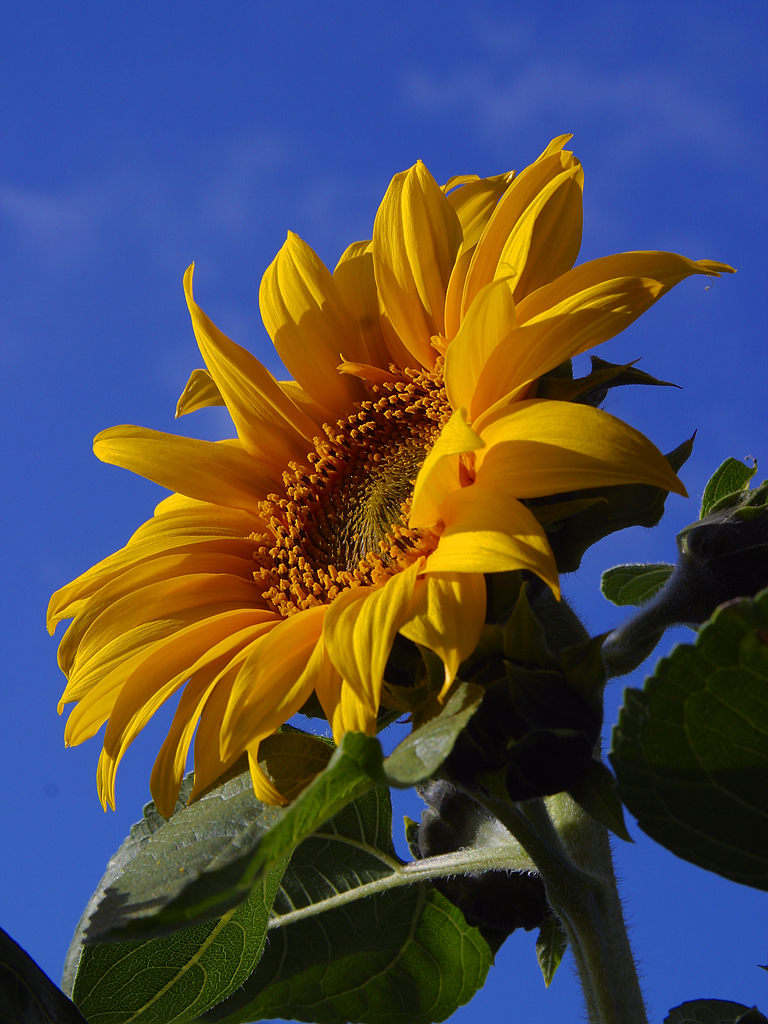 Common sunflowerHelianthus annuus
A tall annual plant grown for its large yellow flower heads and edible seeds
🇨🇦 Canada and 4 more · Wildflower
Common sunflowerHelianthus annuus
A tall annual plant grown for its large yellow flower heads and edible seeds
🇨🇦 Canada and 4 more · Wildflower
 PomegranatePunica granatum
A shrub with bright red flowers and a fruit full of edible seeds
🇮🇷 Iran and 9 more · Flowering shrub
PomegranatePunica granatum
A shrub with bright red flowers and a fruit full of edible seeds
🇮🇷 Iran and 9 more · Flowering shrub
 BirchBetula
Slender trees with papery bark found across the northern world
🇨🇳 China and 7 more · Wildflower
BirchBetula
Slender trees with papery bark found across the northern world
🇨🇳 China and 7 more · Wildflower