
Safflower
Carthamus tinctorius, family Asteraceae
A thistle-like annual grown for oil, dye, and as a saffron substitute
Safflower is a spiny, branched annual plant with yellow, orange, or red flower heads. Native to arid regions of China and Myanmar, it is now widely grown for its oil-rich seeds, natural dyes, and as a less costly substitute for saffron in food and drink.
- Safflower is one of the world's oldest cultivated crops.
- Its flowers come in yellow, orange, red, white, and cream.
- The seeds are pressed for a flavorless, colorless oil.
- Dried petals are used as a saffron substitute in food.
- Ancient Egyptian textiles were dyed with safflower.
What does Safflower look like?
Safflower is a tall, spiny annual herb with many branches and a thistle-like look. It grows from 30 to 150 cm high, with elongated, serrated leaves and stiff, spiny bracts. The plant produces globular flower heads at the ends of branches, each with 20 to 180 small florets. The flowers are most often yellow, orange, or red, but white and cream forms exist. Each head holds many seeds, and the plant forms a deep taproot.
Where does Safflower come from?
Safflower is among the oldest crops known to humans, first cultivated in Mesopotamia and used in ancient Egypt for dyes and garlands. Its name in English comes from Dutch, German, and Old French words influenced by 'saffron' and 'flower.' The plant spread early to India and China, and was used in the Mediterranean and Middle East for both dye and food. South India exported safflower to China by the first millennium AD, and it was later grown in the Americas.
When and how Safflower blooms
Safflower is sown in spring or as a winter crop, depending on climate. It grows best in well-drained, fertile soils and tolerates drought due to its deep taproot. The plant forms a leaf rosette in cool weather, then sends up a central stem and branches as days get longer and warmer. Flowering begins at the top and spreads to side branches. Harvest comes when leaves brown and seeds are dry.


How Safflower is used
The main use today is for oil pressed from the seeds, which is used in cooking, salad dressings, margarine, and cosmetics. The flower petals are used as a natural dye for textiles and food, and as a cheaper substitute for saffron in cooking and herbal teas. In the past, safflower was important for dyeing cloth and flavoring food. It is also grown as a crop rotation plant and for traditional medicine in some regions.
Kinds of Safflower
There are two main types of safflower grown for oil: one high in monounsaturated oleic acid and one high in polyunsaturated linoleic acid. Flower color varies by variety, with yellow, orange, red, white, and cream forms. Some heirloom varieties, such as 'Corrales Azafran' from New Mexico, are still used for traditional food coloring.
What Safflower means
Safflower has a long history in dyeing, with red and yellow dyes extracted from the petals used in ancient Egyptian textiles and in the Mediterranean. The plant is sometimes called 'false saffron' because its petals can color and flavor food like saffron, but at a lower cost. Safflower is an emblematic crop in several regions and remains important in traditional cuisine and crafts.
Questions people ask about Safflower
Where does safflower come from?
Safflower is native to arid regions of China and Myanmar, and was first cultivated in Mesopotamia. It spread early to India, Egypt, and the Mediterranean, and is now grown in many countries.
What does safflower look like?
It is a tall, spiny, branched annual herb with globular flower heads. The flowers are usually yellow, orange, or red, but can also be white or cream.
What is safflower used for?
Today, safflower is mainly grown for its oil-rich seeds, used in cooking and cosmetics. Its petals are used as a dye and as a saffron substitute in food and tea.
Why is it called 'false saffron'?
Safflower petals resemble saffron and are used to color and flavor food in a similar way, but are much less costly, leading to the name 'false saffron.'
What does safflower symbolise?
While the sources do not give a specific symbolism, safflower has been valued for its usefulness in dyeing, food, and traditional medicine since ancient times.
Good reading and sources
- Encyclopaedia BritannicaArticle
- USDA Plants DatabaseUS Department of Agriculture, Article
- Carthamus tinctoriusRoyal Horticultural Society, Article
- Plants of the World OnlineRoyal Botanic Gardens, Kew, Plant database
- Where it has been recordedGBIF, Plant database
- Sightings and photos by naturalistsiNaturalist, Plant database
The facts on this page come from the Wikipedia article "Safflower", written by its contributors and used under the CC BY-SA 4.0 licence, and from its Wikidata record (CC0). Phool rewrote the text in its own words, with AI assistance, and compares every page with the article to make sure no passage is copied. It may be reused under the same CC BY-SA 4.0 licence with a link back.
It may contain mistakes. It is not medical or foraging advice: many flowers are poisonous, and traditional uses are reported, not recommended. If something is wrong, tell us. Last refreshed 2026-10-03.
Others in the family Asteraceae
The whole family Chrysanthemum菊花
Autumn-blooming flower with thousands of varieties, cherished in East Asia and beyond
🇨🇳 China and 6 more · Wildflower
Chrysanthemum菊花
Autumn-blooming flower with thousands of varieties, cherished in East Asia and beyond
🇨🇳 China and 6 more · Wildflower
 Asteraceae
The vast family of daisies, asters, and sunflowers with star-like flower heads
Asteraceae · Wildflower
Asteraceae
The vast family of daisies, asters, and sunflowers with star-like flower heads
Asteraceae · Wildflower
 DandelionTaraxacum
A yellow-flowered perennial found in fields, lawns, and gardens worldwide
Taraxacum · Wildflower
DandelionTaraxacum
A yellow-flowered perennial found in fields, lawns, and gardens worldwide
Taraxacum · Wildflower
 Dahlia
A bushy perennial with tuberous roots and bright, star-shaped blooms
🇲🇽 Mexico and 1 more · Garden flower
Dahlia
A bushy perennial with tuberous roots and bright, star-shaped blooms
🇲🇽 Mexico and 1 more · Garden flower
More from China
All the flowers of China PeachPrunus persica
A flowering fruit tree from China, grown for its pink blossoms and sweet fruit
🇨🇳 China and 7 more · Flowering tree
PeachPrunus persica
A flowering fruit tree from China, grown for its pink blossoms and sweet fruit
🇨🇳 China and 7 more · Flowering tree
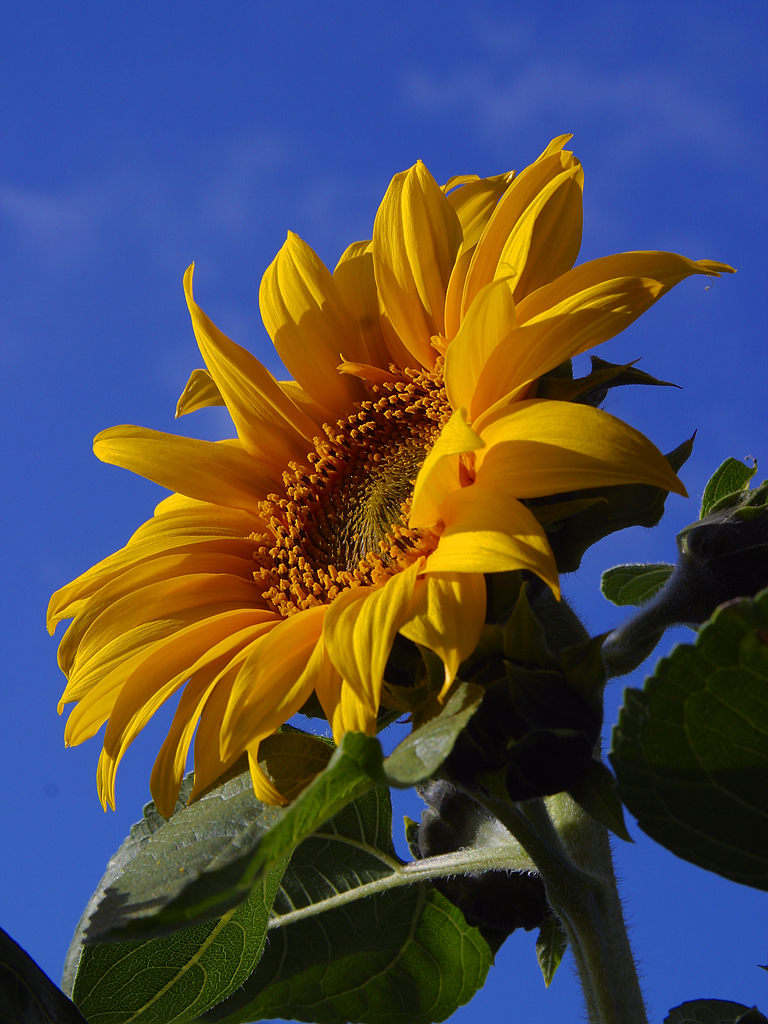 Common sunflowerHelianthus annuus
A tall annual plant grown for its large yellow flower heads and edible seeds
🇨🇦 Canada and 4 more · Wildflower
Common sunflowerHelianthus annuus
A tall annual plant grown for its large yellow flower heads and edible seeds
🇨🇦 Canada and 4 more · Wildflower
 PomegranatePunica granatum
A shrub with bright red flowers and a fruit full of edible seeds
🇮🇷 Iran and 9 more · Flowering shrub
PomegranatePunica granatum
A shrub with bright red flowers and a fruit full of edible seeds
🇮🇷 Iran and 9 more · Flowering shrub
 BirchBetula
Slender trees with papery bark found across the northern world
🇨🇳 China and 7 more · Wildflower
BirchBetula
Slender trees with papery bark found across the northern world
🇨🇳 China and 7 more · Wildflower