
Selenicereus
Night-blooming climbing cacti with large, fragrant white flowers
Selenicereus is a group of climbing or trailing cacti with striking white flowers that open at night and fade by morning. Native to Mexico and nearby regions, some species are grown for their edible fruit, known as pitaya or dragon fruit.
- Flowers open after dark and fade by sunrise
- Some species produce dragon fruit, eaten fresh or in drinks
- Blooms are large, white, and strongly scented
- Plants climb with aerial roots and can grow on trees or rocks
What does Selenicereus look like?
Selenicereus includes cacti that climb or sprawl, with stems that may be flat or have angles. Many have aerial roots that help them attach to trees or rocks. Their flowers are large, white, and open only at night, releasing a strong scent. Most flowers last just one night before wilting. Mature plants can produce many blooms at once. The fruits are spiny and contain edible flesh.
Where does Selenicereus come from?
This genus is found in Mexico and stretches through parts of Central America, the Caribbean, and the northern areas of South America. Selenicereus was first described as a section of Cereus in 1905 and later became its own genus. The name comes from the Greek word for moon, reflecting the flowers' habit of opening at night, and the Latin for candle, a nod to the upright shape of some cacti.
When and how Selenicereus blooms
Selenicereus flowers appear at night, usually for a single evening, and are pollinated by moths or bats. These cacti can grow on trees, rocks, or the ground. They use aerial roots to cling to surfaces. Some species are grown for their fruit, which is harvested when ripe and eaten fresh or used in drinks.


How Selenicereus is used
People grow several Selenicereus species for their fruit, especially those once known as Hylocereus. The fruit, called pitaya or dragon fruit, is popular in many parts of the world. Plants are also kept for their dramatic night flowers, which are valued for their beauty and scent in gardens and homes.
Kinds of Selenicereus
The genus includes many species, with some changes over time as botanists have merged or separated groups. Notably, the former genus Hylocereus, known for dragon fruit, is now included in Selenicereus. Some species have been reclassified or merged with others as understanding of their relationships has improved.
What Selenicereus means
Selenicereus is best known for its night-blooming flowers and edible fruits. The dragon fruit, from species like Selenicereus undatus, is widely cultivated and traded. The flowers' brief, fragrant display has inspired their association with the moon and nighttime in their scientific name.
Questions people ask about Selenicereus
Where does Selenicereus come from?
Selenicereus is native to Mexico and extends through Central America, the Caribbean, and parts of northern South America.
What does the flower look like?
The flowers are large, white, and open only at night, giving off a strong fragrance. They usually last just one night.
What is Selenicereus used for?
Some species are grown for their edible fruit, called pitaya or dragon fruit, while others are valued for their striking night-blooming flowers.
Why is it called moonlight cactus?
The name comes from the Greek word for moon, reflecting the flowers' habit of blooming at night.
Are all dragon fruits from Selenicereus?
Yes, after recent changes in classification, the plants that produce dragon fruit are now included in the Selenicereus genus.
Good reading and sources
- Encyclopaedia BritannicaArticle
- USDA Plants DatabaseUS Department of Agriculture, Article
- Plants of the World OnlineRoyal Botanic Gardens, Kew, Plant database
- Where it has been recordedGBIF, Plant database
- Sightings and photos by naturalistsiNaturalist, Plant database
The facts on this page come from the Wikipedia article "Selenicereus", written by its contributors and used under the CC BY-SA 4.0 licence, and from its Wikidata record (CC0). Phool rewrote the text in its own words, with AI assistance, and compares every page with the article to make sure no passage is copied. It may be reused under the same CC BY-SA 4.0 licence with a link back.
It may contain mistakes. It is not medical or foraging advice: many flowers are poisonous, and traditional uses are reported, not recommended. If something is wrong, tell us. Last refreshed 2026-10-03.
Others in the family Cactaceae
The whole family Prickly pearOpuntia
Cactus with flat pads and edible fruit, native to the Americas
🇲🇽 Mexico and 7 more · Wildflower
Indian fig opuntiaOpuntia ficus-indica
A large, spiny cactus grown for its sweet fruit and edible pads
🇲🇽 Mexico and 7 more · Wildflower
Prickly pearOpuntia
Cactus with flat pads and edible fruit, native to the Americas
🇲🇽 Mexico and 7 more · Wildflower
Indian fig opuntiaOpuntia ficus-indica
A large, spiny cactus grown for its sweet fruit and edible pads
🇲🇽 Mexico and 7 more · Wildflower
 Mammillaria
A diverse group of small, rounded cacti with funnel-shaped flowers
🇲🇽 Mexico and 5 more · Wildflower
Mammillaria
A diverse group of small, rounded cacti with funnel-shaped flowers
🇲🇽 Mexico and 5 more · Wildflower
 Disocactus ackermannii
A scarlet-flowered epiphytic cactus from southern Mexico's cloud forests
🇲🇽 Mexico and 1 more · Wildflower
Disocactus ackermannii
A scarlet-flowered epiphytic cactus from southern Mexico's cloud forests
🇲🇽 Mexico and 1 more · Wildflower
More from Mexico
All the flowers of Mexico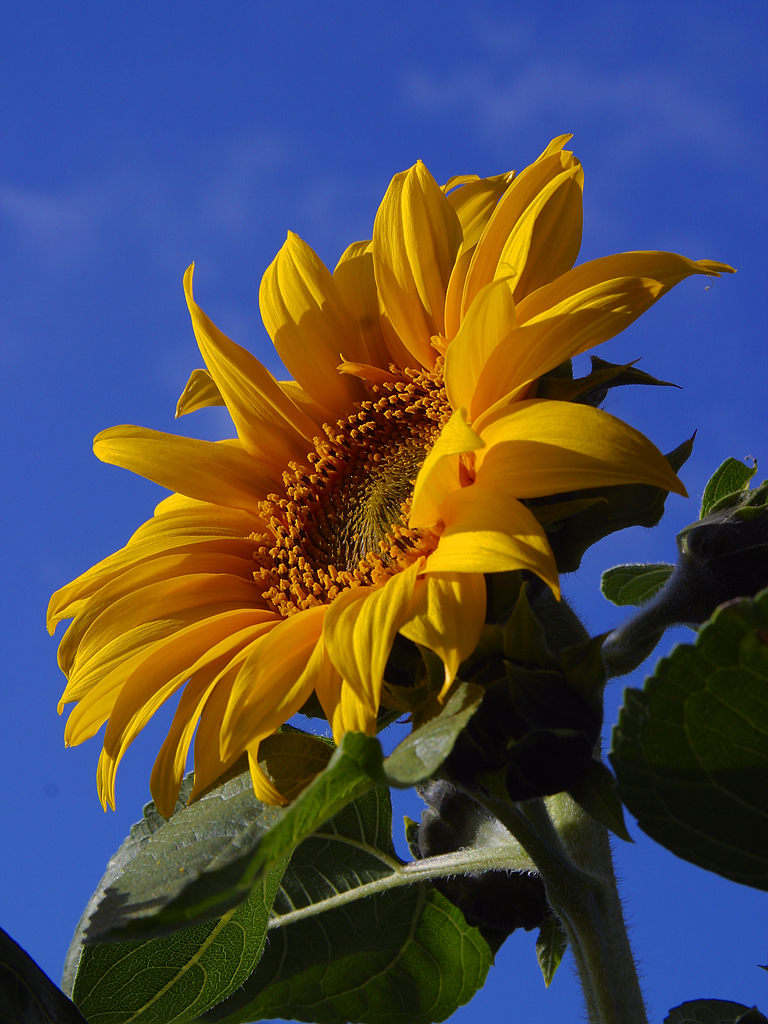 Common sunflowerHelianthus annuus
A tall annual plant grown for its large yellow flower heads and edible seeds
🇨🇦 Canada and 4 more · Wildflower
Common sunflowerHelianthus annuus
A tall annual plant grown for its large yellow flower heads and edible seeds
🇨🇦 Canada and 4 more · Wildflower
 CactusCactaceae
Succulent plants with spines, native to the Americas
🇲🇽 Mexico and 7 more · Wildflower
CactusCactaceae
Succulent plants with spines, native to the Americas
🇲🇽 Mexico and 7 more · Wildflower
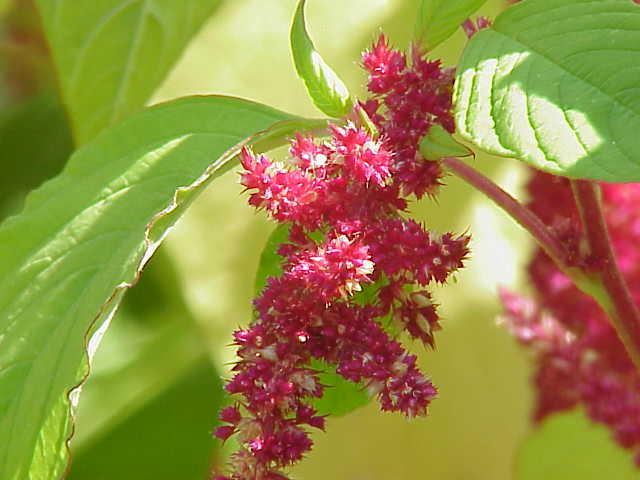 AmaranthAmaranthus
A tall, colourful plant grown for its flowers, leaves and edible seeds
🇲🇽 Mexico and 7 more · Wildflower
AmaranthAmaranthus
A tall, colourful plant grown for its flowers, leaves and edible seeds
🇲🇽 Mexico and 7 more · Wildflower
 HawthornCrataegus
A thorny shrub or tree with white or pink spring flowers and small edible fruits
🇮🇪 Ireland and 7 more · Wildflower
HawthornCrataegus
A thorny shrub or tree with white or pink spring flowers and small edible fruits
🇮🇪 Ireland and 7 more · Wildflower