
Sinningia
Tuberous flowering plants from Central and South America, grown for their bright blooms
Sinningia is a group of about 65 tuberous perennial plants in the Gesneriaceae family, native mainly to southern Brazil and other parts of Central and South America. Known for their large, colorful flowers, many Sinningia species and hybrids are popular as houseplants, with some grown for their striking tubers or silky foliage.
- Most Sinningia species are native to southern Brazil
- Flowers are often pollinated by hummingbirds, bees, bats, or moths
- Sinningia speciosa is widely grown as a houseplant
- Some species have large, ornamental tubers
- Hybrids like 'Empress Purple Spotted' have won garden awards
What does Sinningia look like?
Sinningia plants are mostly tuberous perennials, meaning they grow from thickened underground stems that store water and nutrients. They often have large, bright flowers in shades of white, purple, red, or combinations of colors. The flowers are usually tubular and can be quite showy, making them attractive as houseplants. Some species, like Sinningia leucotricha, have silvery, hairy leaves, while others are grown for their unusual, swollen tubers. The plants can range from small to fairly large, depending on the species.
Where does Sinningia come from?
The genus Sinningia is native to Central and South America, with the greatest number of species found in southern Brazil. The name honors Wilhelm Sinning, a 19th-century gardener in Bonn, Germany. Sinningia speciosa, the best-known species, was once called Gloxinia speciosa in cultivation, but this is now considered incorrect. Over time, other genera such as Corytholoma and Rechsteineria have been merged into Sinningia. Some related Brazilian plants, once placed in separate genera, are now thought to be closely allied or even part of Sinningia.
When and how Sinningia blooms
Sinningia species are grown mainly as houseplants or in greenhouses. They need warmth, high humidity, and well-drained soil rich in organic matter like leaf mold or peat moss, with added sand or perlite for porosity. Most species grow from tubers, which can be planted in pots. The plants need good light but should be protected from strong sun. Some hybrids, such as 'Empress Purple Spotted' and 'Empress Red', are especially valued for their garden performance.


![迷你岩桐 Sinningia Quasar [香港花展 Hong Kong Flower Show]](https://thumb.wikimedia.org/wikipedia/commons/thumb/0/0c/%E8%BF%B7%E4%BD%A0%E5%B2%A9%E6%A1%90_Sinningia_Quasar_-%E9%A6%99%E6%B8%AF%E8%8A%B1%E5%B1%95_Hong_Kong_Flower_Show-_%2817015358186%29.jpg/960px-%E8%BF%B7%E4%BD%A0%E5%B2%A9%E6%A1%90_Sinningia_Quasar_-%E9%A6%99%E6%B8%AF%E8%8A%B1%E5%B1%95_Hong_Kong_Flower_Show-_%2817015358186%29.jpg)

How Sinningia is used
People grow Sinningia mainly for their decorative flowers and unusual foliage. Many species and hybrids are kept as houseplants, while some are grown by collectors for their large tubers. Sinningia speciosa is especially popular in horticulture. Some species are also cultivated by enthusiasts of caudiciforms—plants with swollen, water-storing stems. The flowers attract pollinators like hummingbirds, bees, bats, and moths in their native habitats.
Kinds of Sinningia
There are about 65 recognized species of Sinningia, with notable ones including Sinningia speciosa (the classic 'gloxinia'), Sinningia leucotricha (the 'Brazilian edelweiss'), and Sinningia tubiflora, known for its fragrant white tubular flowers. Some species have particularly large tubers, while others are grown for their colorful or patterned blooms. Numerous hybrids and cultivars exist, some of which have received horticultural awards.
What Sinningia means
Sinningia speciosa, though often called 'gloxinia', is now classified separately from true Gloxinia. The genus is popular among houseplant enthusiasts and collectors, especially those interested in tuberous or caudiciform plants. Some cultivars have received awards from horticultural societies. The plants are valued for their bright flowers and, in some cases, for their unusual leaf textures or tuber shapes.
Questions people ask about Sinningia
Where does Sinningia come from?
Sinningia is native to Central and South America, with most species found in southern Brazil. They often grow on rocks or cliffs in their natural habitats.
What does Sinningia look like?
Sinningia plants usually have tuberous roots and produce large, tubular flowers in bright colors like white, purple, and red. Some have silvery, hairy leaves or large, swollen tubers.
How is Sinningia used?
Sinningia is mainly grown as a decorative houseplant or greenhouse plant. Some species and hybrids are popular for their showy flowers, while others are collected for their unusual tubers.
What is the difference between Sinningia and Gloxinia?
Sinningia speciosa was once called Gloxinia speciosa, but true Gloxinia is a different genus with scaly rhizomes instead of tubers. The name 'gloxinia' is now considered incorrect for Sinningia.
Are there different types of Sinningia?
Yes, there are about 65 species and many hybrids. Notable types include Sinningia speciosa, Sinningia leucotricha, and Sinningia tubiflora, each with unique flowers or tubers.
Good reading and sources
- Sinningia 'Empress Purple Spotted'Royal Horticultural Society, Article
- USDA Plants DatabaseUS Department of Agriculture, Article
- Plants of the World OnlineRoyal Botanic Gardens, Kew, Plant database
- Where it has been recordedGBIF, Plant database
- Sightings and photos by naturalistsiNaturalist, Plant database
The facts on this page come from the Wikipedia article "Sinningia", written by its contributors and used under the CC BY-SA 4.0 licence, and from its Wikidata record (CC0). Phool rewrote the text in its own words, with AI assistance, and compares every page with the article to make sure no passage is copied. It may be reused under the same CC BY-SA 4.0 licence with a link back.
It may contain mistakes. It is not medical or foraging advice: many flowers are poisonous, and traditional uses are reported, not recommended. If something is wrong, tell us. Last refreshed 2026-10-03.
Others in the family Gesneriaceae
The whole family HaberleaHaberlea rhodopensis
A rare Balkan flower that revives after years without water
🇧🇬 Bulgaria and 1 more · Wildflower
HaberleaHaberlea rhodopensis
A rare Balkan flower that revives after years without water
🇧🇬 Bulgaria and 1 more · Wildflower
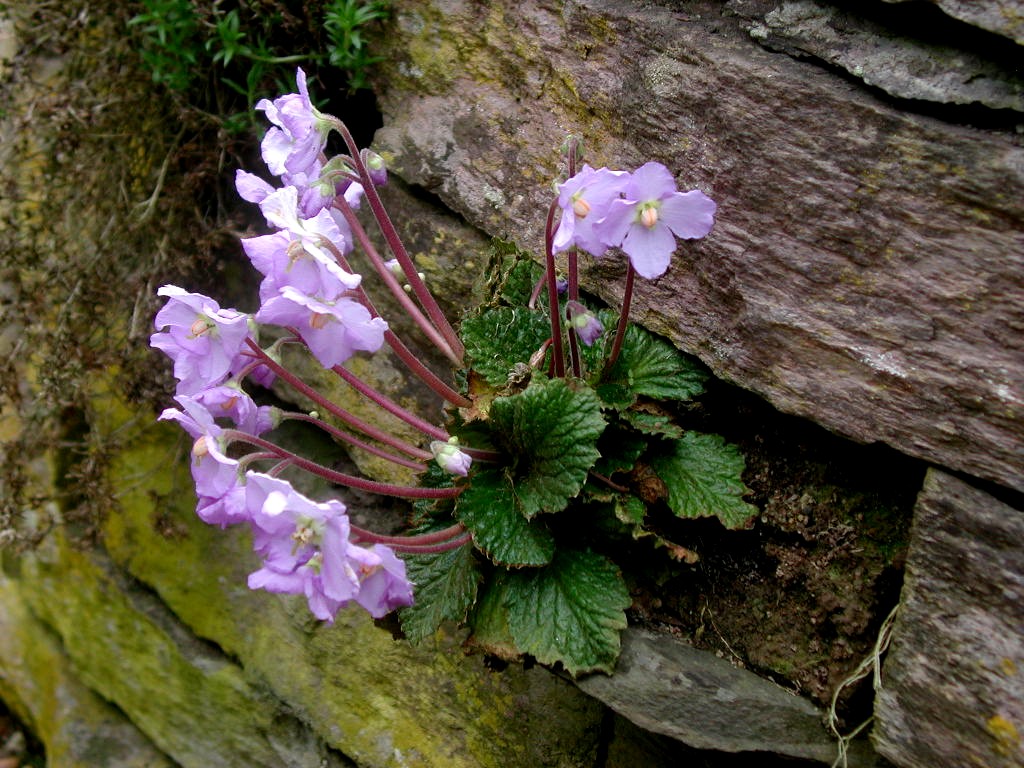 Ramonda nathaliaeНаталијина рамонда
A small Balkan flower that can survive drying out and revive with water
🇷🇸 Serbia and 2 more · Wildflower
Ramonda nathaliaeНаталијина рамонда
A small Balkan flower that can survive drying out and revive with water
🇷🇸 Serbia and 2 more · Wildflower
 African violetSaintpaulia
A small, velvety-leaved house plant with violet, blue or white flowers from East Africa
🇹🇿 Tanzania and 1 more · Wildflower
African violetSaintpaulia
A small, velvety-leaved house plant with violet, blue or white flowers from East Africa
🇹🇿 Tanzania and 1 more · Wildflower
 Brazilian gloxiniaSinningia speciosa
A tuberous houseplant with large, velvety flowers from Brazil
🇧🇷 Brazil and 1 more · Garden flower
Brazilian gloxiniaSinningia speciosa
A tuberous houseplant with large, velvety flowers from Brazil
🇧🇷 Brazil and 1 more · Garden flower
More from Brazil
All the flowers of Brazil CactusCactaceae
Succulent plants with spines, native to the Americas
🇲🇽 Mexico and 7 more · Wildflower
CactusCactaceae
Succulent plants with spines, native to the Americas
🇲🇽 Mexico and 7 more · Wildflower
 Eucalyptus
The tall, aromatic trees and shrubs known as gum trees or eucalypts
🇦🇺 Australia and 7 more · Flowering tree
Eucalyptus
The tall, aromatic trees and shrubs known as gum trees or eucalypts
🇦🇺 Australia and 7 more · Flowering tree
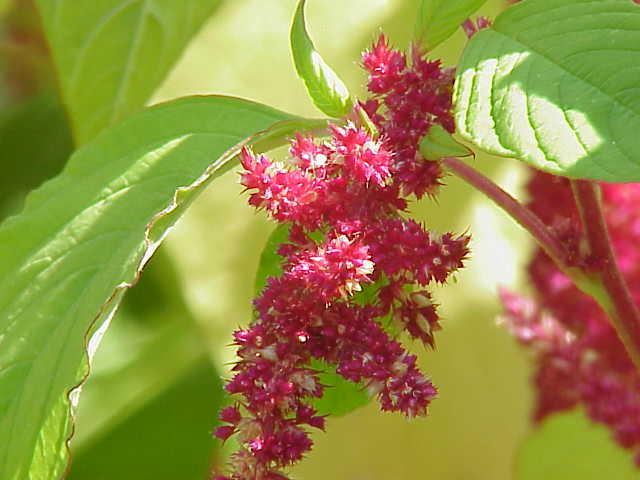 AmaranthAmaranthus
A tall, colourful plant grown for its flowers, leaves and edible seeds
🇲🇽 Mexico and 7 more · Wildflower
AmaranthAmaranthus
A tall, colourful plant grown for its flowers, leaves and edible seeds
🇲🇽 Mexico and 7 more · Wildflower
 Sensitive PlantMimosa pudica
A touch-sensitive plant whose leaves fold up when disturbed
🇧🇷 Brazil and 8 more · Wildflower
Sensitive PlantMimosa pudica
A touch-sensitive plant whose leaves fold up when disturbed
🇧🇷 Brazil and 8 more · Wildflower