
Brazilian gloxinia
Sinningia speciosa, family Gesneriaceae
A tuberous houseplant with large, velvety flowers from Brazil
Brazilian gloxinia is a tuberous plant from Brazil, grown for its large, soft, and vividly colored blooms. Popular as a houseplant, it is known for its showy flowers and is often called 'gloxinia' in the trade, though this is now a misnomer.
- Native to Brazil's Atlantic Forest and nearby regions
- Grown for its large, velvety, colorful flowers
- Popular as a houseplant worldwide
- Flowers grow from a tuber that can go dormant
- Still often called 'gloxinia' in gardening
What does Brazilian gloxinia look like?
Brazilian gloxinia is a compact plant with thick, soft leaves and large, bell-shaped flowers. The blooms are velvety to the touch and come in a range of bright colors, including reds, purples, pinks, blues, and whites. Its foliage is lush and green, making it attractive even when not in flower. The plant grows from a tuber, which sits partly above the soil.
Where does Brazilian gloxinia come from?
This species is native to Brazil, especially in regions like Rio de Janeiro, Espírito Santo, Minas Gerais, and the Atlantic Forest. First described in 1817, it was originally placed in the genus Gloxinia before being moved to Sinningia. Despite the change, many still use the old name in gardening circles. Its popularity as a decorative plant spread due to its striking flowers and ease of indoor cultivation.
When and how Brazilian gloxinia blooms
Brazilian gloxinia is usually grown indoors, thriving in bright but indirect light. It is suited to warm climates, similar to those in USDA zones 10 to 12. The plant grows from a tuber, which sends up leaves and flowers. After blooming, it may go dormant, at which point the tuber is kept dry and cool until new growth appears.

How Brazilian gloxinia is used
Most often, Brazilian gloxinia is kept as a houseplant for its decorative flowers. Its large, colorful blooms make it a favorite for indoor displays and potted arrangements. While it is mainly grown for ornamental purposes, it is not commonly used in ceremonies or as a symbol in cultural traditions.
Kinds of Brazilian gloxinia
Many hybrids of Sinningia speciosa are available, often labeled simply as 'gloxinia' in shops. These cultivated forms display a wide range of flower colors and shapes, but all share the same velvety texture and tuberous growth. The name 'florist's gloxinia' is sometimes used to distinguish these hybrids from other related species.
What Brazilian gloxinia means
Although not tied to specific festivals or traditions, Brazilian gloxinia is valued for its beauty as a houseplant. Its name has caused some confusion, as it was once grouped with other plants in the genus Gloxinia. Today, it is recognized as part of Sinningia, but the older name remains common among gardeners.
Questions people ask about Brazilian gloxinia
Where does Brazilian gloxinia come from?
Brazilian gloxinia is native to Brazil, especially the Atlantic Forest and regions such as Rio de Janeiro, Espírito Santo, and Minas Gerais.
What does the flower look like?
It has large, bell-shaped flowers with a velvety texture, in bright colors like red, purple, pink, blue, and white.
How is Brazilian gloxinia used?
It is mainly grown as a houseplant for its decorative flowers and lush foliage, making it popular for indoor displays.
Why is it sometimes called 'gloxinia'?
It was originally classified in the genus Gloxinia, and the name is still used in the horticultural trade, though it now belongs to Sinningia.
Does Brazilian gloxinia have a dormant period?
Yes, after flowering, the plant may enter dormancy, during which the tuber is kept dry and cool until new growth starts again.
Good reading and sources
- Encyclopaedia BritannicaArticle
- USDA Plants DatabaseUS Department of Agriculture, Article
- Plants of the World OnlineRoyal Botanic Gardens, Kew, Plant database
- Where it has been recordedGBIF, Plant database
- Sightings and photos by naturalistsiNaturalist, Plant database
- Sinningia speciosa on WikipediaEncyclopedia
- More photos on Wikimedia CommonsPhotos
- Wikidata recordOpen data
The facts on this page come from the Wikipedia article "Sinningia speciosa", written by its contributors and used under the CC BY-SA 4.0 licence, and from its Wikidata record (CC0). Phool rewrote the text in its own words, with AI assistance, and compares every page with the article to make sure no passage is copied. It may be reused under the same CC BY-SA 4.0 licence with a link back.
It may contain mistakes. It is not medical or foraging advice: many flowers are poisonous, and traditional uses are reported, not recommended. If something is wrong, tell us. Last refreshed 2026-10-03.
Others in the family Gesneriaceae
The whole family HaberleaHaberlea rhodopensis
A rare Balkan flower that revives after years without water
🇧🇬 Bulgaria and 1 more · Wildflower
HaberleaHaberlea rhodopensis
A rare Balkan flower that revives after years without water
🇧🇬 Bulgaria and 1 more · Wildflower
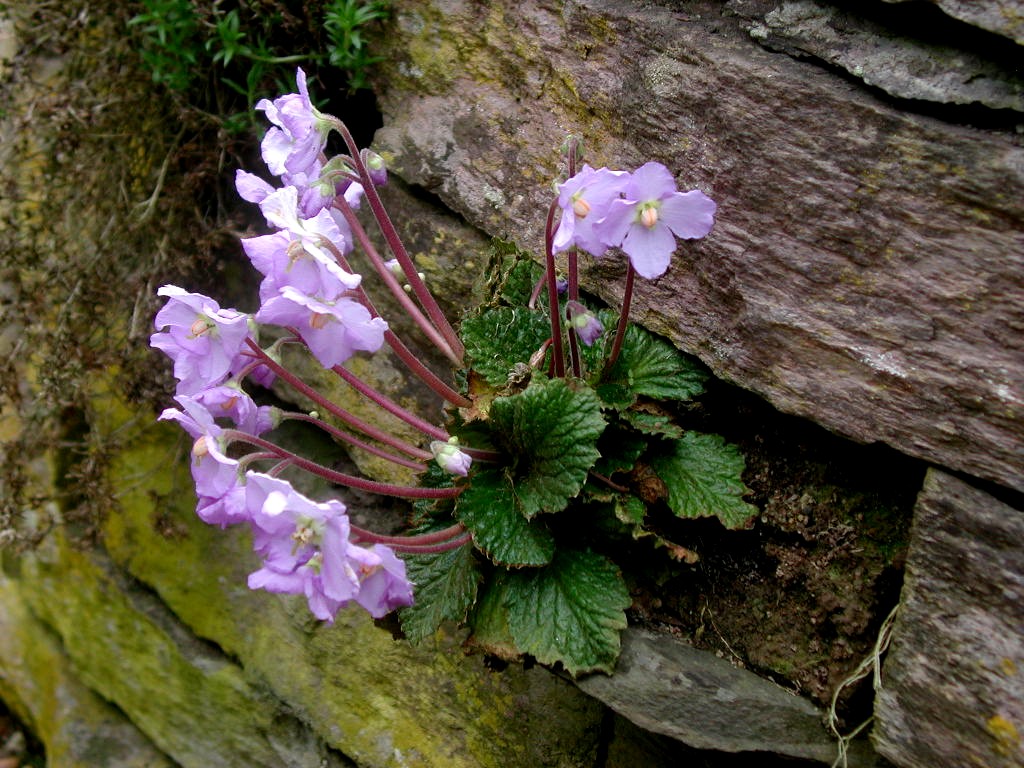 Ramonda nathaliaeНаталијина рамонда
A small Balkan flower that can survive drying out and revive with water
🇷🇸 Serbia and 2 more · Wildflower
Ramonda nathaliaeНаталијина рамонда
A small Balkan flower that can survive drying out and revive with water
🇷🇸 Serbia and 2 more · Wildflower
 African violetSaintpaulia
A small, velvety-leaved house plant with violet, blue or white flowers from East Africa
🇹🇿 Tanzania and 1 more · Wildflower
African violetSaintpaulia
A small, velvety-leaved house plant with violet, blue or white flowers from East Africa
🇹🇿 Tanzania and 1 more · Wildflower
 Cape primroseStreptocarpus
A houseplant with tubular blooms from African mountains and forests
🇿🇦 South Africa and 7 more · Wildflower
Cape primroseStreptocarpus
A houseplant with tubular blooms from African mountains and forests
🇿🇦 South Africa and 7 more · Wildflower
More from Brazil
All the flowers of Brazil CactusCactaceae
Succulent plants with spines, native to the Americas
🇲🇽 Mexico and 7 more · Wildflower
CactusCactaceae
Succulent plants with spines, native to the Americas
🇲🇽 Mexico and 7 more · Wildflower
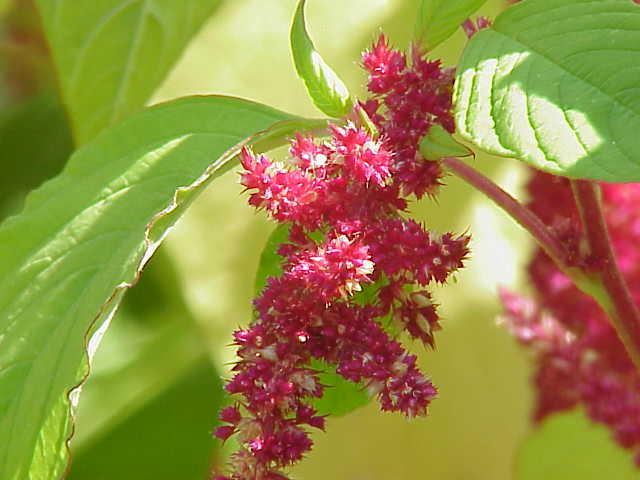 AmaranthAmaranthus
A tall, colourful plant grown for its flowers, leaves and edible seeds
🇲🇽 Mexico and 7 more · Wildflower
AmaranthAmaranthus
A tall, colourful plant grown for its flowers, leaves and edible seeds
🇲🇽 Mexico and 7 more · Wildflower
 Sensitive PlantMimosa pudica
A touch-sensitive plant whose leaves fold up when disturbed
🇧🇷 Brazil and 8 more · Wildflower
Sensitive PlantMimosa pudica
A touch-sensitive plant whose leaves fold up when disturbed
🇧🇷 Brazil and 8 more · Wildflower
 Passion fruitPassiflora edulis
A tropical vine grown for its sweet-sour, aromatic fruit
🇧🇷 Brazil and 6 more · Climber
Passion fruitPassiflora edulis
A tropical vine grown for its sweet-sour, aromatic fruit
🇧🇷 Brazil and 6 more · Climber