
Giant goldenrod
Solidago gigantea, family Asteraceae
A tall yellow-flowered plant found across much of North America
Giant goldenrod is a perennial herb native to North America, known for its tall stems and clusters of small yellow flowers. It grows in moist soils and forms dense clumps, and is recognized as the state flower in Kentucky and Nebraska.
- Can grow up to 2 meters tall
- State flower of Kentucky and Nebraska
- Forms dense clumps with many yellow flower heads
- Native to much of eastern and central North America
- Considered invasive in Europe and Asia
What does Giant goldenrod look like?
Giant goldenrod is a perennial plant that can reach up to 2 meters in height. It usually forms thick patches, with leafy stems and no leaves at the base. At the top of each stem, there is a large, branching cluster holding many small yellow flower heads. Each flower head has both disc and ray florets, giving the plant a bright yellow appearance when in bloom.
Where does Giant goldenrod come from?
This plant is native to a large part of North America, especially east of the Rocky Mountains. It grows wild from southern Canada through much of the United States and into northeastern Mexico. Over time, it has spread widely and is now found in many regions with moist soils. The name 'Solidago gigantea' refers to its tall stature among goldenrods.
When and how Giant goldenrod blooms
Giant goldenrod grows from underground stems called rhizomes, which help it spread and form dense patches. It prefers areas where the soil stays moist at least part of the year. The plant is perennial, returning each year from its root system. It can be found in fields, along streams, and in other damp places.

How Giant goldenrod is used
People recognize giant goldenrod as a symbol in some places. It is the official state flower of Kentucky and Nebraska. While it is not widely grown for gardens or cut flowers, it is a familiar wildflower in its native range. In other parts of the world, it is sometimes considered a problem because it spreads quickly and can crowd out other plants.
Kinds of Giant goldenrod
There are several insects that form galls on giant goldenrod, including species like Eurosta solidaginis and Asteromyia carbonifera. These galls are abnormal growths caused by the insects. The plant is also known to be affected by certain fungi, such as Coleosporium asterum.
What Giant goldenrod means
Giant goldenrod holds official status as the state flower in Kentucky and Nebraska. In its native regions, it is a common sight in late summer and early autumn. Outside North America, it is often managed as an invasive species to protect local plant diversity.
Questions people ask about Giant goldenrod
Where does giant goldenrod come from?
Giant goldenrod is native to eastern and central parts of North America, including areas from southern Canada through the United States and into northeastern Mexico.
What does giant goldenrod look like?
It is a tall perennial herb, often reaching 2 meters, with leafy stems and large clusters of small yellow flowers at the top.
Is giant goldenrod used for anything special?
It is recognized as the state flower in Kentucky and Nebraska, but is not widely used in gardens or for cut flowers.
Why is giant goldenrod considered invasive in some places?
In Europe and Asia, it spreads rapidly and can outcompete native plants, reducing local plant diversity.
Does giant goldenrod have any notable pests or diseases?
Yes, it is host to several insects that create galls and can be affected by certain fungal diseases.
Good reading and sources
- USDA Plants DatabaseUS Department of Agriculture, Article
- Solidago giganteaRoyal Horticultural Society, Article
- Plants of the World OnlineRoyal Botanic Gardens, Kew, Plant database
- Where it has been recordedGBIF, Plant database
- Sightings and photos by naturalistsiNaturalist, Plant database
- Solidago gigantea on WikipediaEncyclopedia
- More photos on Wikimedia CommonsPhotos
- Wikidata recordOpen data
The facts on this page come from the Wikipedia article "Solidago gigantea", written by its contributors and used under the CC BY-SA 4.0 licence, and from its Wikidata record (CC0). Phool rewrote the text in its own words, with AI assistance, and compares every page with the article to make sure no passage is copied. It may be reused under the same CC BY-SA 4.0 licence with a link back.
It may contain mistakes. It is not medical or foraging advice: many flowers are poisonous, and traditional uses are reported, not recommended. If something is wrong, tell us. Last refreshed 2026-10-03.
Others in the family Asteraceae
The whole family Chrysanthemum菊花
Autumn-blooming flower with thousands of varieties, cherished in East Asia and beyond
🇨🇳 China and 6 more · Wildflower
Chrysanthemum菊花
Autumn-blooming flower with thousands of varieties, cherished in East Asia and beyond
🇨🇳 China and 6 more · Wildflower
 Asteraceae
The vast family of daisies, asters, and sunflowers with star-like flower heads
Asteraceae · Wildflower
Asteraceae
The vast family of daisies, asters, and sunflowers with star-like flower heads
Asteraceae · Wildflower
 DandelionTaraxacum
A yellow-flowered perennial found in fields, lawns, and gardens worldwide
Taraxacum · Wildflower
DandelionTaraxacum
A yellow-flowered perennial found in fields, lawns, and gardens worldwide
Taraxacum · Wildflower
 Dahlia
A bushy perennial with tuberous roots and bright, star-shaped blooms
🇲🇽 Mexico and 1 more · Garden flower
Dahlia
A bushy perennial with tuberous roots and bright, star-shaped blooms
🇲🇽 Mexico and 1 more · Garden flower
More from Mexico
All the flowers of Mexico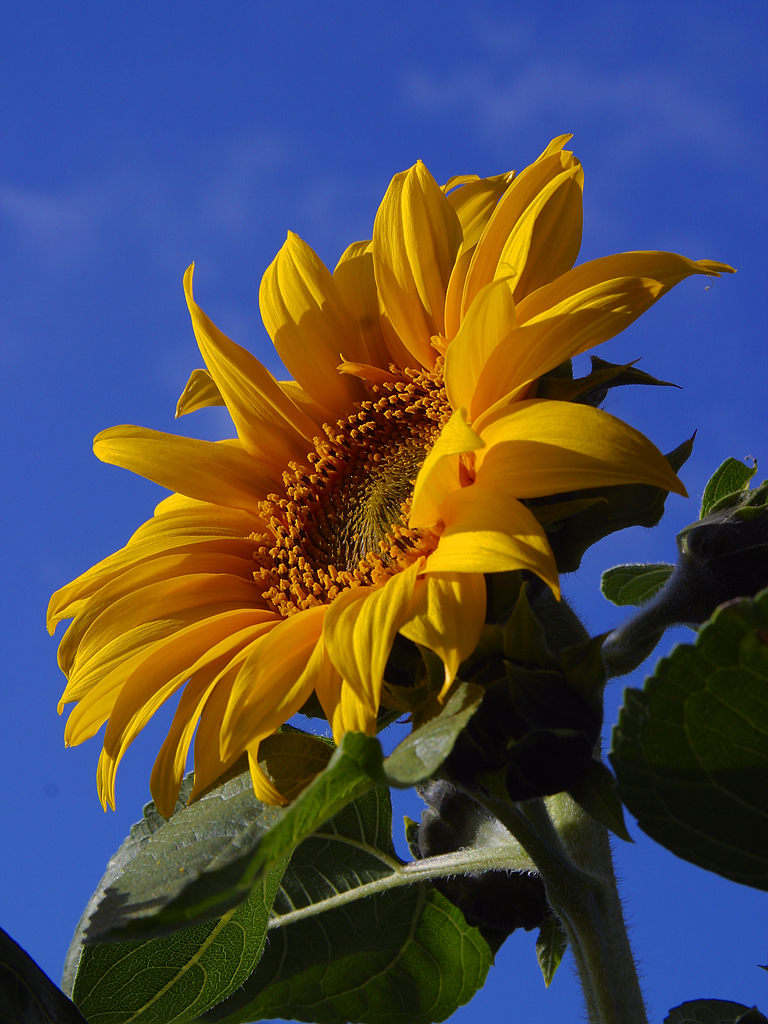 Common sunflowerHelianthus annuus
A tall annual plant grown for its large yellow flower heads and edible seeds
🇨🇦 Canada and 4 more · Wildflower
Common sunflowerHelianthus annuus
A tall annual plant grown for its large yellow flower heads and edible seeds
🇨🇦 Canada and 4 more · Wildflower
 CactusCactaceae
Succulent plants with spines, native to the Americas
🇲🇽 Mexico and 7 more · Wildflower
CactusCactaceae
Succulent plants with spines, native to the Americas
🇲🇽 Mexico and 7 more · Wildflower
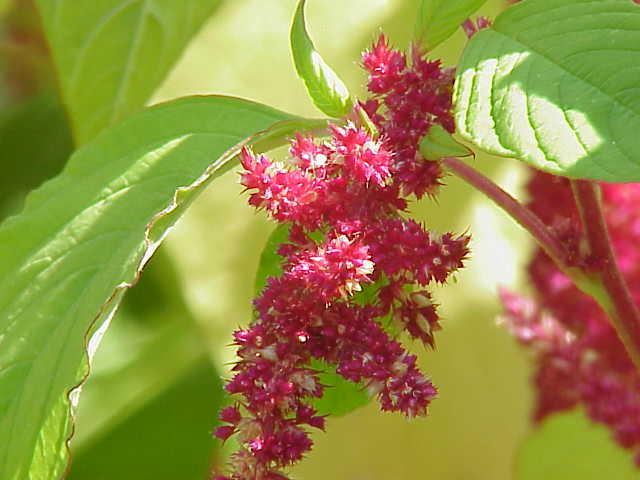 AmaranthAmaranthus
A tall, colourful plant grown for its flowers, leaves and edible seeds
🇲🇽 Mexico and 7 more · Wildflower
AmaranthAmaranthus
A tall, colourful plant grown for its flowers, leaves and edible seeds
🇲🇽 Mexico and 7 more · Wildflower
 HawthornCrataegus
A thorny shrub or tree with white or pink spring flowers and small edible fruits
🇮🇪 Ireland and 7 more · Wildflower
HawthornCrataegus
A thorny shrub or tree with white or pink spring flowers and small edible fruits
🇮🇪 Ireland and 7 more · Wildflower