
Aztec marigold
Tagetes erecta, family Asteraceae
The golden-yellow flower of Mexican altars and Day of the Dead offerings
Aztec marigold (Tagetes erecta) is a tall annual plant native to Mexico and Central America, with bright yellow to orange flower heads. It is widely grown for gardens, cut flowers, and as a symbol of the Day of the Dead, where its blooms decorate altars and graves.
- Central flower for Day of the Dead altars in Mexico
- Native to Mexico and Central America, now grown worldwide
- Petals used as food coloring and natural dye
- Lightly scented, with bright yellow to orange blooms
- Cultivated for gardens, rituals, and as a cut flower
What does Aztec marigold look like?
Aztec marigold is a bushy, upright annual that can reach 30 to 110 cm tall. Its stems are green, sometimes ridged, and aromatic when squeezed. The leaves are divided into narrow, pointed leaflets. The flower heads are large, round, and packed with many small petals, ranging in color from yellow to deep orange or red. Flowers may be single or double, and are held on long stalks. The plant gives off a light scent and produces seeds in long, slender achenes.
Where does Aztec marigold come from?
Native to Mexico and Central America, Aztec marigold grows wild in regions such as the Balsas basin and western Mexico, thriving in forests and disturbed areas at moderate altitudes. It was cultivated by the Aztecs for ceremonies and medicine. After the Spanish conquest, it spread to Europe and beyond, becoming popular in gardens worldwide. The name cempasúchil comes from Nahuatl and refers to several marigold species, but Tagetes erecta is the main one used in Mexican tradition.
When and how Aztec marigold blooms
Aztec marigold blooms from summer through autumn. It grows easily from seed, preferring sunny spots and well-drained soil. Plants are started in spring and flower until the first frost. In gardens, many cultivars are grown for their large, bright blooms. The plant self-seeds readily, and flowers are harvested for decoration, rituals, and as cut flowers.


How Aztec marigold is used
In Mexico, Aztec marigold is central to Day of the Dead celebrations, where its flowers are used to decorate altars and graves. The blooms are also used in home gardens, as cut flowers, and for making garlands. Traditionally, the petals have been used in food, as a dye for textiles, and in poultry feed for coloring. The plant has a history of medicinal use for digestive and skin problems, and its essential oil is used in perfumes.
Kinds of Aztec marigold
There are many cultivated forms of Aztec marigold, with flower heads varying from single to double and in size and color. The 'Inca Orange' cultivar is notable and has received gardening awards. The term cempasúchil in Mexico can refer to several marigold species, but Tagetes erecta is the most prominent in cultural use.
What Aztec marigold means
Aztec marigold is a symbol of the Day of the Dead in Mexico, where it is called flor de muertos. Its color and scent are believed to guide spirits to altars. The flower appears in Aztec art and is linked to themes of life and death. It is also used in rituals in Honduras and planted in cemeteries. The plant is an emblem of Mexican identity and tradition.
Traditions that use it
Where to see Aztec marigold
 🇮🇳 Mumbai · All yearDadar flower market at dawnMumbai's wholesale flower market beside Dadar station, at its busiest before the city has had breakfast.
 🇮🇳 Kolkata · All yearMullick Ghat flower market under Howrah BridgeA crowded riverside flower market on the Hooghly, in the shadow of Howrah Bridge.
 🇮🇳 Bengaluru · All yearKR Market flower hallBengaluru's old city market, where the flower floor is best seen from the stairs above.
 🇮🇳 Chennai · All yearKoyambedu wholesale flower marketThe flower block of Chennai's vast Koyambedu wholesale complex, busiest before sunrise.
 🇮🇳 Madurai · All yearMadurai malli at the Mattuthavani flower marketThe wholesale market that sets the daily price of Madurai malli, the jasmine the city is famous for.
🇮🇳 Delhi · All yearGhazipur phool mandiDelhi's wholesale flower market in the east of the city, where the capital's bouquets and garlands begin.
🇮🇳 Madurai · All yearMadurai malli at the Mattuthavani flower marketThe wholesale market that sets the daily price of Madurai malli, the jasmine the city is famous for.
🇮🇳 Delhi · All yearGhazipur phool mandiDelhi's wholesale flower market in the east of the city, where the capital's bouquets and garlands begin.Days and festivals
Questions people ask about Aztec marigold
Where does the Aztec marigold come from?
Aztec marigold is native to Mexico and Central America, where it grows wild in forests and disturbed areas. It has spread to many other countries as a garden and ornamental plant.
What is the Aztec marigold used for?
It is most famous for its use in Day of the Dead celebrations in Mexico, where its flowers decorate altars and graves. It is also used in gardens, as a cut flower, for food coloring, dye, and in traditional medicine.
What does the Aztec marigold look like?
The plant is upright and bushy, with divided green leaves and large, round flower heads in yellow, orange, or red. The flowers can be single or double and are held on long stalks.
Why is it called cempasúchil?
Cempasúchil comes from the Nahuatl language, meaning 'twenty flower.' It refers to the flower's many petals and its importance in Aztec culture.
Is the Aztec marigold edible?
The petals have been used in salads and as a food coloring. They are also added to poultry feed to color egg yolks and skin.
Good reading and sources
- Tagetes erecta [Inca I Orange] (Inca I Series)Royal Horticultural Society, Article
- Plants of the World OnlineRoyal Botanic Gardens, Kew, Plant database
- Where it has been recordedGBIF, Plant database
- Sightings and photos by naturalistsiNaturalist, Plant database
- Tagetes erecta on WikipediaEncyclopedia
- More photos on Wikimedia CommonsPhotos
- Wikidata recordOpen data
The facts on this page come from the Wikipedia article "Tagetes erecta", written by its contributors and used under the CC BY-SA 4.0 licence, and from its Wikidata record (CC0). Phool rewrote the text in its own words, with AI assistance, and compares every page with the article to make sure no passage is copied. It may be reused under the same CC BY-SA 4.0 licence with a link back.
It may contain mistakes. It is not medical or foraging advice: many flowers are poisonous, and traditional uses are reported, not recommended. If something is wrong, tell us. Last refreshed 2026-10-03.
Others in the family Asteraceae
The whole family Chrysanthemum菊花
Autumn-blooming flower with thousands of varieties, cherished in East Asia and beyond
🇨🇳 China and 6 more · Wildflower
Chrysanthemum菊花
Autumn-blooming flower with thousands of varieties, cherished in East Asia and beyond
🇨🇳 China and 6 more · Wildflower
 Asteraceae
The vast family of daisies, asters, and sunflowers with star-like flower heads
Asteraceae · Wildflower
Asteraceae
The vast family of daisies, asters, and sunflowers with star-like flower heads
Asteraceae · Wildflower
 DandelionTaraxacum
A yellow-flowered perennial found in fields, lawns, and gardens worldwide
Taraxacum · Wildflower
DandelionTaraxacum
A yellow-flowered perennial found in fields, lawns, and gardens worldwide
Taraxacum · Wildflower
 Dahlia
A bushy perennial with tuberous roots and bright, star-shaped blooms
🇲🇽 Mexico and 1 more · Garden flower
Dahlia
A bushy perennial with tuberous roots and bright, star-shaped blooms
🇲🇽 Mexico and 1 more · Garden flower
More from Mexico
All the flowers of Mexico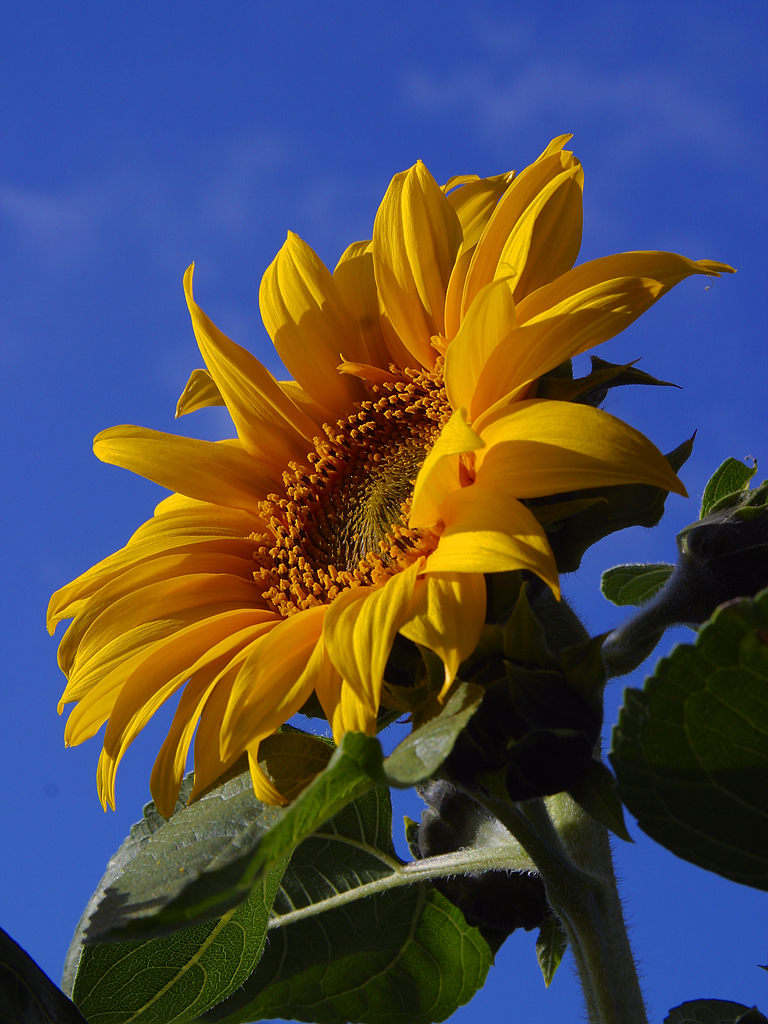 Common sunflowerHelianthus annuus
A tall annual plant grown for its large yellow flower heads and edible seeds
🇨🇦 Canada and 4 more · Wildflower
Common sunflowerHelianthus annuus
A tall annual plant grown for its large yellow flower heads and edible seeds
🇨🇦 Canada and 4 more · Wildflower
 CactusCactaceae
Succulent plants with spines, native to the Americas
🇲🇽 Mexico and 7 more · Wildflower
CactusCactaceae
Succulent plants with spines, native to the Americas
🇲🇽 Mexico and 7 more · Wildflower
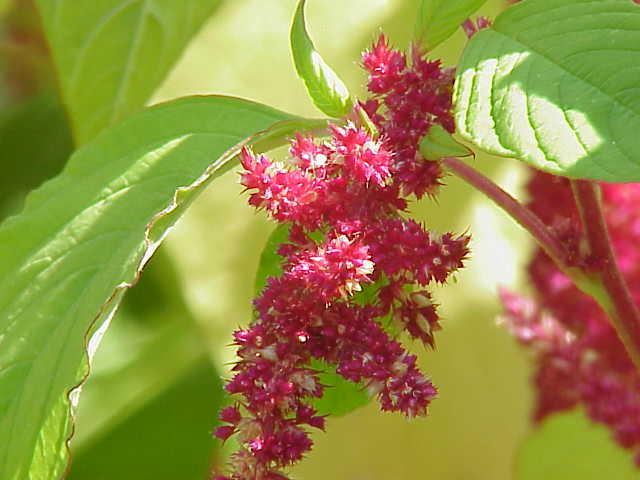 AmaranthAmaranthus
A tall, colourful plant grown for its flowers, leaves and edible seeds
🇲🇽 Mexico and 7 more · Wildflower
AmaranthAmaranthus
A tall, colourful plant grown for its flowers, leaves and edible seeds
🇲🇽 Mexico and 7 more · Wildflower
 HawthornCrataegus
A thorny shrub or tree with white or pink spring flowers and small edible fruits
🇮🇪 Ireland and 7 more · Wildflower
HawthornCrataegus
A thorny shrub or tree with white or pink spring flowers and small edible fruits
🇮🇪 Ireland and 7 more · Wildflower