
Sweetscented marigold
Tagetes lucida, family Asteraceae
A golden-flowered herb from Mexico with anise-scented leaves
Sweetscented marigold is a perennial herb native to Mexico and Central America, grown for its small golden yellow flowers and aromatic leaves. The plant is used as a culinary herb, a traditional medicine, and for ritual incense, with a scent similar to tarragon and anise.
- Leaves have a tarragon-like, anise scent
- Used by Aztecs in ritual incense for Tlāloc
- Flowers are small, golden yellow clusters
- Leaves and flowers brewed as tea in Mexico
- Flowers yield a yellow dye
What does Sweetscented marigold look like?
Sweetscented marigold is a bushy or upright perennial herb that grows between 45 and 75 cm tall. Its leaves are long, narrow, and shiny green, giving off a tarragon-like scent with notes of anise. In late summer, the plant produces clusters of small, golden yellow flower heads, each about 15 mm across, with 3 to 5 ray florets. The flowers are hermaphroditic and attract insects for pollination.
Where does Sweetscented marigold come from?
This plant is native to Mexico and Central America, where it grows wild. It was valued by the Aztecs and Maya for ritual, culinary, and medicinal uses. Over time, it spread into gardens and nurseries in North America, especially as a tarragon substitute. Its many common names reflect its use and importance in Mexican culture and beyond.
When and how Sweetscented marigold blooms
Sweetscented marigold thrives in full sun to light shade and blooms in late summer. It can be grown from seed or cuttings and prefers well-drained soil. The leaves and flowers are harvested fresh or dried for use in cooking, tea, incense, or dye. The plant is cultivated both for home gardens and for traditional uses.

How Sweetscented marigold is used
Traditionally, the Aztecs used sweetscented marigold in incense and rituals, dedicating it to the rain god Tlāloc. The leaves and flowers are brewed as an anise-flavored tea, used for flavoring food, and sometimes smoked in ritual contexts. The flowers yield a yellow dye, and the dried plant is burned as incense or to repel insects. In Mexico and Central America, it is still used medicinally.
Kinds of Sweetscented marigold
Different landraces and varieties of Tagetes lucida may be more upright or bushy, but all share the same aromatic leaves and yellow flowers. The plant is sometimes selected for garden use as a tarragon substitute, but no named cultivars are mentioned in the sources.
What Sweetscented marigold means
Sweetscented marigold played a role in Aztec and Maya rituals and cuisine, including as an ingredient in the drink chocolatl. It is still valued in Mexican traditional medicine and as a culinary herb. Its ritual use as incense and its association with deities show its cultural significance in Mesoamerica.
Questions people ask about Sweetscented marigold
Where does sweetscented marigold come from?
Sweetscented marigold is native to Mexico and Central America, where it grows wild and has long been used in local traditions.
What does sweetscented marigold look like?
It is a bushy or upright herb, 45–75 cm tall, with shiny green, narrow leaves and clusters of small golden yellow flowers that bloom in late summer.
How is sweetscented marigold used?
The plant is used as a culinary herb, especially as a tarragon substitute, and its leaves and flowers are brewed as tea, used in incense, and as a yellow dye. It also has traditional medicinal uses.
What does sweetscented marigold symbolise?
It was dedicated to the rain god Tlāloc by the Aztecs and used in ritual incense, showing its importance in Mesoamerican culture.
Does sweetscented marigold have a scent?
Yes, the leaves have a light scent similar to tarragon with a hint of anise.
Good reading and sources
- USDA Plants DatabaseUS Department of Agriculture, Article
- Plants of the World OnlineRoyal Botanic Gardens, Kew, Plant database
- Where it has been recordedGBIF, Plant database
- Sightings and photos by naturalistsiNaturalist, Plant database
- Tagetes lucida on WikipediaEncyclopedia
- More photos on Wikimedia CommonsPhotos
- Wikidata recordOpen data
The facts on this page come from the Wikipedia article "Tagetes lucida", written by its contributors and used under the CC BY-SA 4.0 licence, and from its Wikidata record (CC0). Phool rewrote the text in its own words, with AI assistance, and compares every page with the article to make sure no passage is copied. It may be reused under the same CC BY-SA 4.0 licence with a link back.
It may contain mistakes. It is not medical or foraging advice: many flowers are poisonous, and traditional uses are reported, not recommended. If something is wrong, tell us. Last refreshed 2026-10-03.
Others in the family Asteraceae
The whole family Chrysanthemum菊花
Autumn-blooming flower with thousands of varieties, cherished in East Asia and beyond
🇨🇳 China and 6 more · Wildflower
Chrysanthemum菊花
Autumn-blooming flower with thousands of varieties, cherished in East Asia and beyond
🇨🇳 China and 6 more · Wildflower
 Asteraceae
The vast family of daisies, asters, and sunflowers with star-like flower heads
Asteraceae · Wildflower
Asteraceae
The vast family of daisies, asters, and sunflowers with star-like flower heads
Asteraceae · Wildflower
 DandelionTaraxacum
A yellow-flowered perennial found in fields, lawns, and gardens worldwide
Taraxacum · Wildflower
DandelionTaraxacum
A yellow-flowered perennial found in fields, lawns, and gardens worldwide
Taraxacum · Wildflower
 Dahlia
A bushy perennial with tuberous roots and bright, star-shaped blooms
🇲🇽 Mexico and 1 more · Garden flower
Dahlia
A bushy perennial with tuberous roots and bright, star-shaped blooms
🇲🇽 Mexico and 1 more · Garden flower
More from Mexico
All the flowers of Mexico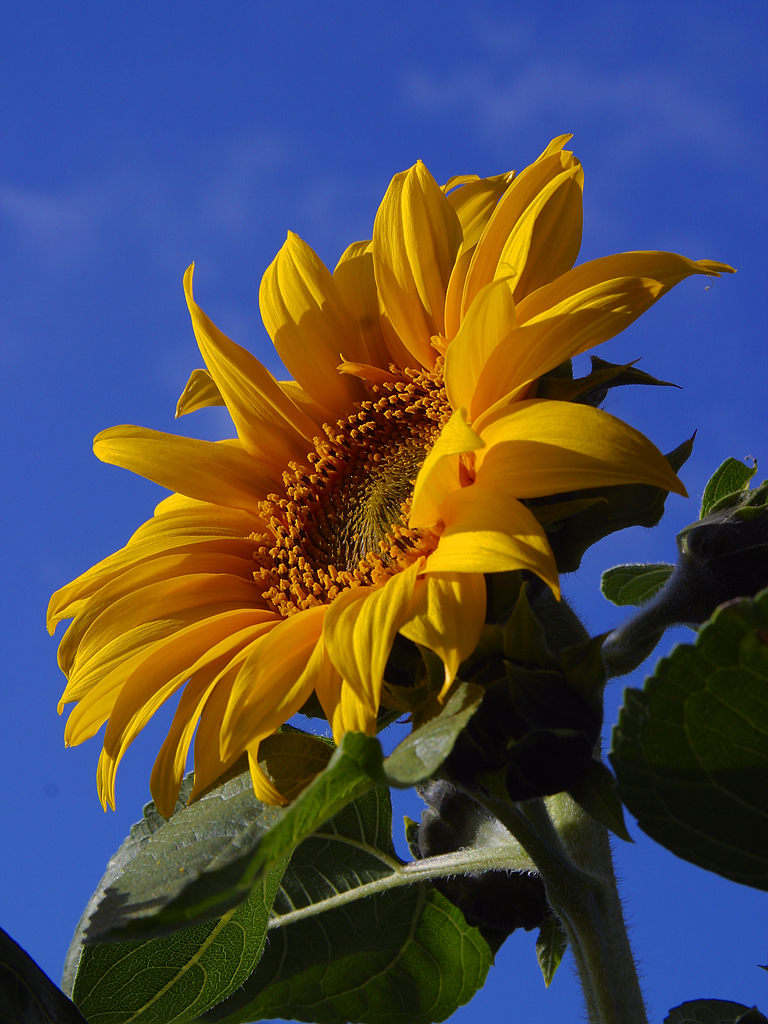 Common sunflowerHelianthus annuus
A tall annual plant grown for its large yellow flower heads and edible seeds
🇨🇦 Canada and 4 more · Wildflower
Common sunflowerHelianthus annuus
A tall annual plant grown for its large yellow flower heads and edible seeds
🇨🇦 Canada and 4 more · Wildflower
 CactusCactaceae
Succulent plants with spines, native to the Americas
🇲🇽 Mexico and 7 more · Wildflower
CactusCactaceae
Succulent plants with spines, native to the Americas
🇲🇽 Mexico and 7 more · Wildflower
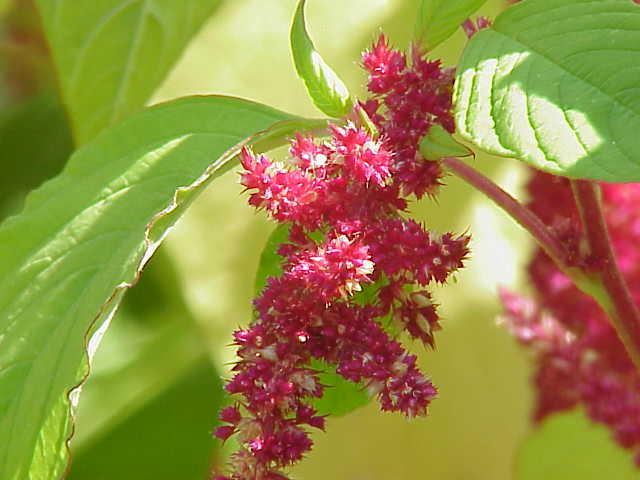 AmaranthAmaranthus
A tall, colourful plant grown for its flowers, leaves and edible seeds
🇲🇽 Mexico and 7 more · Wildflower
AmaranthAmaranthus
A tall, colourful plant grown for its flowers, leaves and edible seeds
🇲🇽 Mexico and 7 more · Wildflower
 HawthornCrataegus
A thorny shrub or tree with white or pink spring flowers and small edible fruits
🇮🇪 Ireland and 7 more · Wildflower
HawthornCrataegus
A thorny shrub or tree with white or pink spring flowers and small edible fruits
🇮🇪 Ireland and 7 more · Wildflower