
French marigold
Tagetes patula, family Asteraceae
A small marigold with yellow to orange blooms, valued in gardens and Georgian cooking
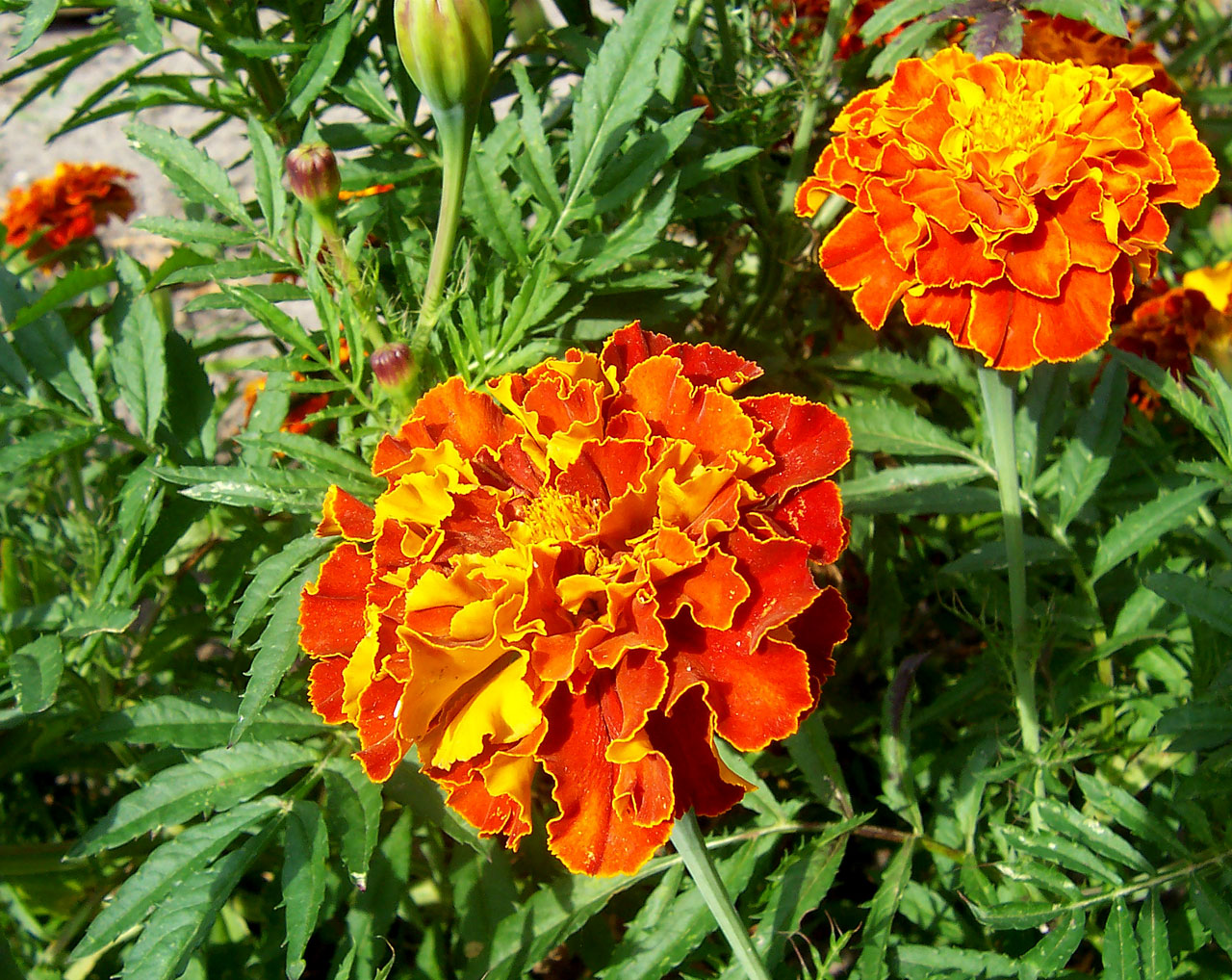
French marigold is a low, spreading annual from Mexico and Guatemala, grown worldwide for its bright yellow, orange, or russet flowers. Its petals are used as a spice in Georgian cuisine, and the plant is also valued for dye, perfume, and garden borders.
- Native to Mexico and Guatemala, now grown worldwide
- Petals are used as 'Imeretian saffron' spice in Georgia
- Flowers range from yellow to orange and russet
- Essential oil is used in perfumes and studied for pest control
- Popular as a garden border plant
What does French marigold look like?
French marigold is a small annual plant, usually reaching up to half a meter tall and spreading about a foot wide. It has velvet-textured flowers in vivid shades of yellow, orange, and russet. The flower heads contain both male and female parts. Its leaves have oil glands that give off a pungent scent. The plant forms neat, bushy clumps, making it popular for garden borders.
Where does French marigold come from?
Native to the highlands of central Mexico and Guatemala, French marigold has spread widely through cultivation. It is now grown in many countries as a bedding plant. The Latin name 'patula' refers to its spreading growth. Some botanists consider it closely related to, or a synonym of, the larger Mexican marigold (Tagetes erecta).
When and how French marigold blooms
French marigold blooms from summer into autumn, especially from July to October in temperate climates. In its native region, it flowers from September until frost. It grows best in full sun and well-drained soil, tolerating both sandy and clay types. The plant is frost-sensitive and grown as an annual, often started from seed each year.


How French marigold is used
The petals are dried and ground to make a spice called 'Imeretian saffron' in Georgia, used for its color and earthy flavor in dishes and spice mixes. The flowers are also added to poultry feed to deepen yolk color, and used as a dye for textiles and foods. The whole plant is distilled for essential oil, which is blended into perfumes like 'attar genda'. Traditional medicine uses infusions from its leaves or flowers.
Kinds of French marigold
Hundreds of cultivars exist, many bred for compact growth and bright flower colors. Some have gained awards for garden merit. The plant is shorter and more spreading than its relative Tagetes erecta, making it suitable for edging and borders.
What French marigold means
In Georgia, French marigold is important in regional cuisine and known as 'Imeretian saffron'. Its petals are a key part of the spice blend khmeli suneli. The plant is also valued for its color and scent in gardens worldwide. Research is ongoing into its essential oil for use as a pesticide and antifungal agent.
Questions people ask about French marigold
Where does French marigold come from?
French marigold is native to the highlands of central Mexico and Guatemala, but it is now grown in gardens around the world.
What is French marigold used for?
It is used as a garden bedding plant, a spice in Georgian cuisine, a natural dye for textiles and foods, and as a source of essential oil for perfumes and traditional remedies.
What does French marigold look like?
It is a small, bushy annual with velvet-textured flowers in bright yellow, orange, or russet shades, and has pungent-scented leaves.
Why is it called 'Imeretian saffron'?
In Georgia, the dried and ground petals are used as a spice called 'Imeretian saffron' for their golden color and earthy flavor, especially in the Imereti region.
Does French marigold have a strong scent?
Yes, the plant's leaves contain oil glands that give off a strong, pungent aroma.
Good reading and sources
- Encyclopaedia BritannicaArticle
- Tagetes patula 'Dainty Marietta'Royal Horticultural Society, Article
- USDA Plants DatabaseUS Department of Agriculture, Article
- Plants of the World OnlineRoyal Botanic Gardens, Kew, Plant database
- Where it has been recordedGBIF, Plant database
- Sightings and photos by naturalistsiNaturalist, Plant database
- Tagetes patula on WikipediaEncyclopedia
- More photos on Wikimedia CommonsPhotos
- Wikidata recordOpen data
The facts on this page come from the Wikipedia article "Tagetes patula", written by its contributors and used under the CC BY-SA 4.0 licence, and from its Wikidata record (CC0). Phool rewrote the text in its own words, with AI assistance, and compares every page with the article to make sure no passage is copied. It may be reused under the same CC BY-SA 4.0 licence with a link back.
It may contain mistakes. It is not medical or foraging advice: many flowers are poisonous, and traditional uses are reported, not recommended. If something is wrong, tell us. Last refreshed 2026-10-03.
Others in the family Asteraceae
The whole family Chrysanthemum菊花
Autumn-blooming flower with thousands of varieties, cherished in East Asia and beyond
🇨🇳 China and 6 more · Wildflower
Chrysanthemum菊花
Autumn-blooming flower with thousands of varieties, cherished in East Asia and beyond
🇨🇳 China and 6 more · Wildflower
 Asteraceae
The vast family of daisies, asters, and sunflowers with star-like flower heads
Asteraceae · Wildflower
Asteraceae
The vast family of daisies, asters, and sunflowers with star-like flower heads
Asteraceae · Wildflower
 DandelionTaraxacum
A yellow-flowered perennial found in fields, lawns, and gardens worldwide
Taraxacum · Wildflower
DandelionTaraxacum
A yellow-flowered perennial found in fields, lawns, and gardens worldwide
Taraxacum · Wildflower
 Dahlia
A bushy perennial with tuberous roots and bright, star-shaped blooms
🇲🇽 Mexico and 1 more · Garden flower
Dahlia
A bushy perennial with tuberous roots and bright, star-shaped blooms
🇲🇽 Mexico and 1 more · Garden flower
More from Mexico
All the flowers of Mexico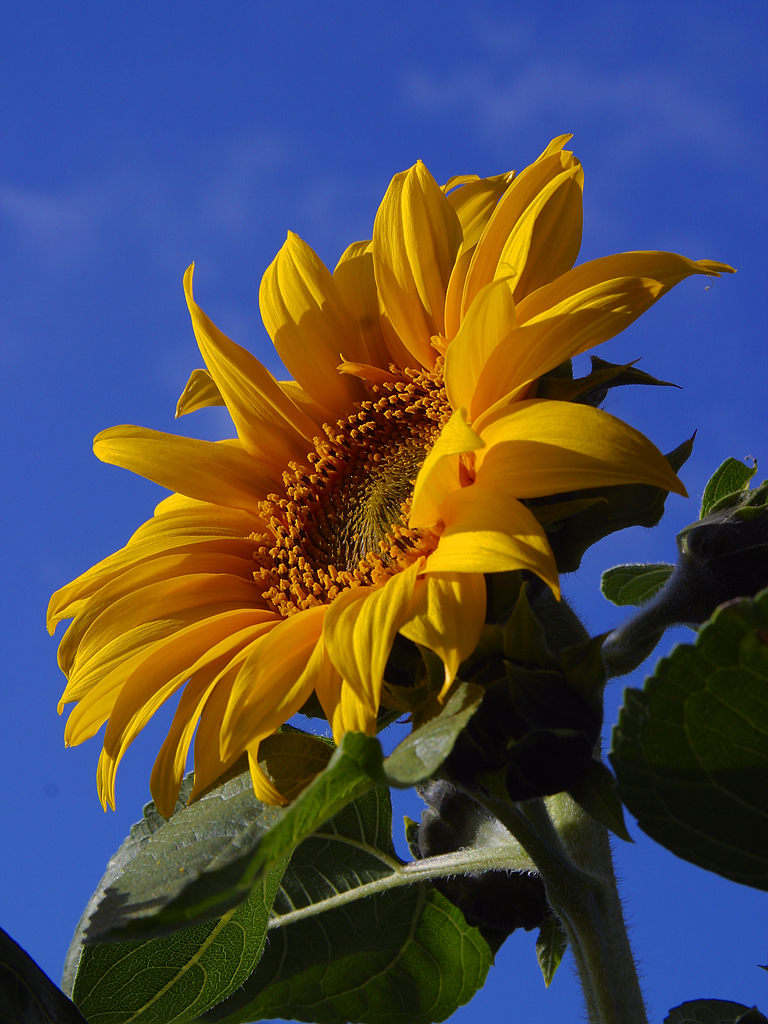 Common sunflowerHelianthus annuus
A tall annual plant grown for its large yellow flower heads and edible seeds
🇨🇦 Canada and 4 more · Wildflower
Common sunflowerHelianthus annuus
A tall annual plant grown for its large yellow flower heads and edible seeds
🇨🇦 Canada and 4 more · Wildflower
 CactusCactaceae
Succulent plants with spines, native to the Americas
🇲🇽 Mexico and 7 more · Wildflower
CactusCactaceae
Succulent plants with spines, native to the Americas
🇲🇽 Mexico and 7 more · Wildflower
 AmaranthAmaranthus
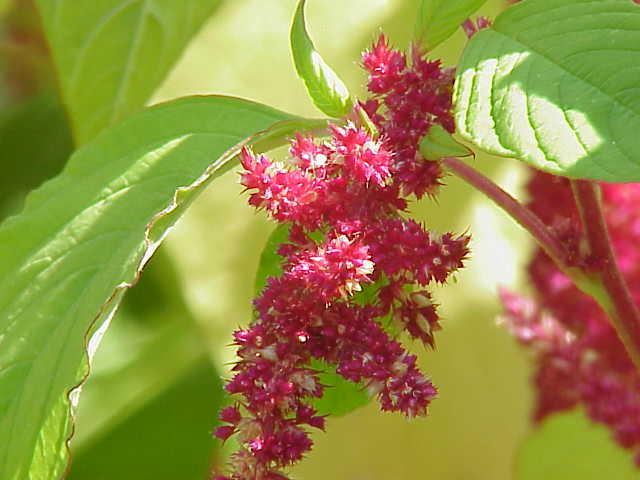
A tall, colourful plant grown for its flowers, leaves and edible seeds
🇲🇽 Mexico and 7 more · Wildflower
AmaranthAmaranthus
A tall, colourful plant grown for its flowers, leaves and edible seeds
🇲🇽 Mexico and 7 more · Wildflower
 HawthornCrataegus
A thorny shrub or tree with white or pink spring flowers and small edible fruits
🇮🇪 Ireland and 7 more · Wildflower
HawthornCrataegus
A thorny shrub or tree with white or pink spring flowers and small edible fruits
🇮🇪 Ireland and 7 more · Wildflower