
Mexican sunflower
Tithonia rotundifolia, family Asteraceae
Tall orange-red daisy-like flower native to Mexico and Central America
The Mexican sunflower (Tithonia rotundifolia) is a tall, daisy-like plant with bright orange or red flowers, native to Mexico and Central America. It grows wild in seasonally dry tropical areas and is often used in gardens for its vivid blooms, attracting butterflies and hummingbirds.
- Native to Mexico and Central America
- Flowers are orange or red with yellow centers
- Attracts monarch butterflies and hummingbirds
- Grows up to 4 meters tall in the wild
- Often used as a garden ornamental
What does Mexican sunflower look like?
Mexican sunflower is a tall plant, reaching up to 4 meters in its native habitat, though it is usually shorter in gardens. Its leaves are large, sometimes lobed, gray on top and hairy underneath. The flower heads are 5 to 8 centimeters across, with broad, vermilion red or orange ray petals and golden yellow centers. The blooms are solitary and stand out on long stalks, attracting butterflies and hummingbirds.
Where does Mexican sunflower come from?
Tithonia rotundifolia is native to Mexico and Central America, where it grows in seasonally dry tropical regions. It has spread to parts of the United States, the West Indies, Thailand, and Africa, often along roadsides and disturbed areas. The plant is sometimes called 'clavel de muerto' and has several botanical synonyms from its history of classification.
When and how Mexican sunflower blooms
Mexican sunflower is grown from seeds, which are sown in sunny, sheltered spots with well-drained, humus-rich soil. Seedlings are spaced 30–50 centimeters apart. The plant tolerates drought but benefits from watering in long dry spells. It flowers from mid-summer until frost, making it a popular choice for hedges and garden backgrounds.


How Mexican sunflower is used
Gardeners value Mexican sunflower for its vivid flowers and ability to attract pollinators like monarch butterflies and hummingbirds. It is often planted in hedges or as a backdrop for smaller plants. In some regions, it has naturalized and is found growing wild along roadsides and in disturbed areas.
Kinds of Mexican sunflower
Several synonyms exist for this species, including Tagetes rotundifolia and Tithonia speciosa, reflecting its varied classification history. In cultivation, plants are generally shorter than in the wild, and flower color can range from orange to red.
What Mexican sunflower means
The Mexican sunflower is sometimes called 'clavel de muerto', linking it to cultural traditions such as the Day of the Dead in Mexico. Its bright flowers and ability to attract butterflies make it a favorite in gardens and festivals. It is also valued as a pollinator plant in various regions.
Questions people ask about Mexican sunflower
Where does the Mexican sunflower come from?
The Mexican sunflower is native to Mexico and Central America, where it grows in seasonally dry tropical areas. It has also spread to parts of the United States, the West Indies, Thailand, and Africa.
What does the Mexican sunflower look like?
It is a tall plant with large, sometimes lobed leaves and bright orange or red daisy-like flowers with yellow centers. The flower heads are 5 to 8 centimeters wide and stand out on long stalks.
How is the Mexican sunflower used?
It is grown in gardens for its vivid blooms and ability to attract pollinators like butterflies and hummingbirds. It is also planted in hedges and used as a background for smaller plants.
What does the Mexican sunflower symbolize or mean?
In Mexico, it is sometimes called 'clavel de muerto', connecting it to traditions like the Day of the Dead. Its bright flowers are valued in festivals and gardens.
When does the Mexican sunflower bloom?
It flowers from mid-summer until frost, providing color in gardens during the summer and autumn seasons.
Good reading and sources
- USDA Plants DatabaseUS Department of Agriculture, Article
- Plants of the World OnlineRoyal Botanic Gardens, Kew, Plant database
- Where it has been recordedGBIF, Plant database
- Sightings and photos by naturalistsiNaturalist, Plant database
- Tithonia rotundifolia on WikipediaEncyclopedia
- More photos on Wikimedia CommonsPhotos
- Wikidata recordOpen data
The facts on this page come from the Wikipedia article "Tithonia rotundifolia", written by its contributors and used under the CC BY-SA 4.0 licence, and from its Wikidata record (CC0). Phool rewrote the text in its own words, with AI assistance, and compares every page with the article to make sure no passage is copied. It may be reused under the same CC BY-SA 4.0 licence with a link back.
It may contain mistakes. It is not medical or foraging advice: many flowers are poisonous, and traditional uses are reported, not recommended. If something is wrong, tell us. Last refreshed 2026-10-03.
Others in the family Asteraceae
The whole family Chrysanthemum菊花
Autumn-blooming flower with thousands of varieties, cherished in East Asia and beyond
🇨🇳 China and 6 more · Wildflower
Chrysanthemum菊花
Autumn-blooming flower with thousands of varieties, cherished in East Asia and beyond
🇨🇳 China and 6 more · Wildflower
 Asteraceae
The vast family of daisies, asters, and sunflowers with star-like flower heads
Asteraceae · Wildflower
Asteraceae
The vast family of daisies, asters, and sunflowers with star-like flower heads
Asteraceae · Wildflower
 DandelionTaraxacum
A yellow-flowered perennial found in fields, lawns, and gardens worldwide
Taraxacum · Wildflower
DandelionTaraxacum
A yellow-flowered perennial found in fields, lawns, and gardens worldwide
Taraxacum · Wildflower
 Dahlia
A bushy perennial with tuberous roots and bright, star-shaped blooms
🇲🇽 Mexico and 1 more · Garden flower
Dahlia
A bushy perennial with tuberous roots and bright, star-shaped blooms
🇲🇽 Mexico and 1 more · Garden flower
More from Mexico
All the flowers of Mexico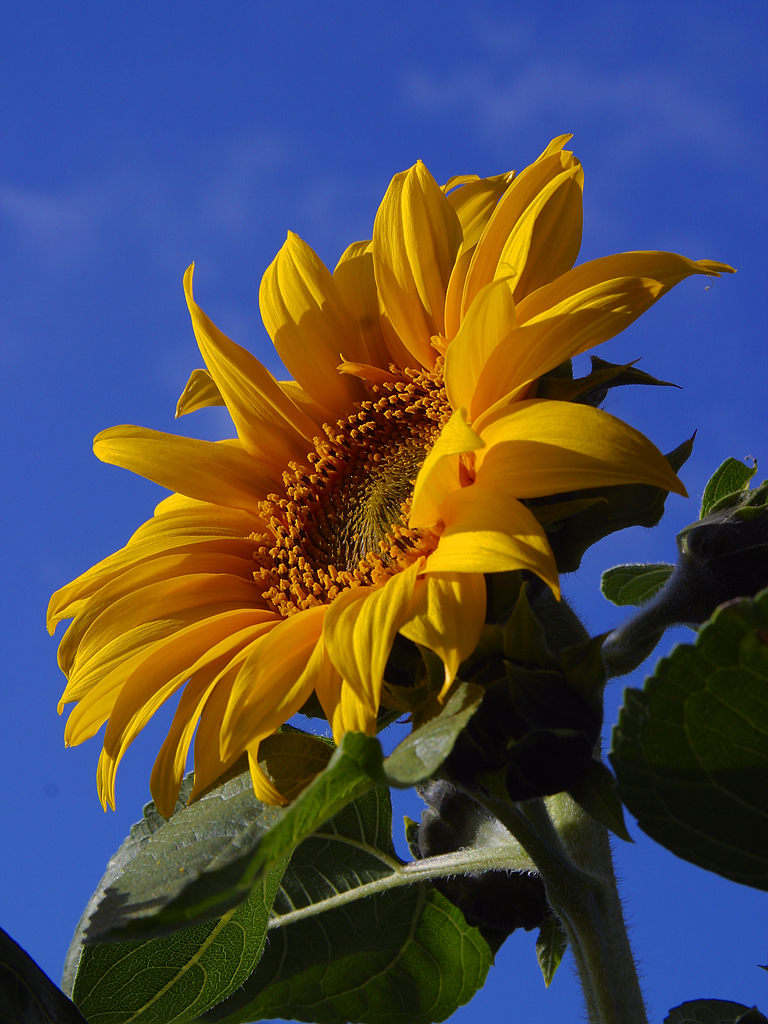 Common sunflowerHelianthus annuus
A tall annual plant grown for its large yellow flower heads and edible seeds
🇨🇦 Canada and 4 more · Wildflower
Common sunflowerHelianthus annuus
A tall annual plant grown for its large yellow flower heads and edible seeds
🇨🇦 Canada and 4 more · Wildflower
 CactusCactaceae
Succulent plants with spines, native to the Americas
🇲🇽 Mexico and 7 more · Wildflower
CactusCactaceae
Succulent plants with spines, native to the Americas
🇲🇽 Mexico and 7 more · Wildflower
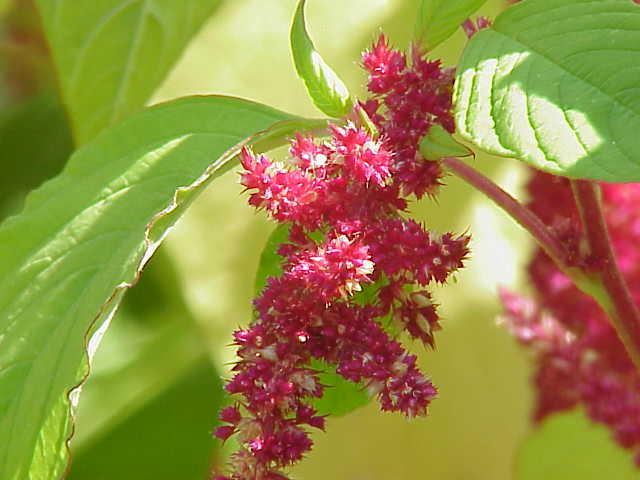 AmaranthAmaranthus
A tall, colourful plant grown for its flowers, leaves and edible seeds
🇲🇽 Mexico and 7 more · Wildflower
AmaranthAmaranthus
A tall, colourful plant grown for its flowers, leaves and edible seeds
🇲🇽 Mexico and 7 more · Wildflower
 HawthornCrataegus
A thorny shrub or tree with white or pink spring flowers and small edible fruits
🇮🇪 Ireland and 7 more · Wildflower
HawthornCrataegus
A thorny shrub or tree with white or pink spring flowers and small edible fruits
🇮🇪 Ireland and 7 more · Wildflower