
Blue orchid
Vanda coerulea, family Orchidaceae
In its own language: kwaklei
A rare orchid with long-lasting bluish purple flowers from Northeast India and Yunnan
Blue orchid (Vanda coerulea) is a striking orchid native to Northeast India and southern Yunnan, China. Its bluish purple flowers are unusually long-lasting, and the plant can produce up to 20 to 30 flower spikes. Highly valued for its beauty, it has faced threats from over-collection.
- Native to Northeast India and southern Yunnan, China
- Produces up to 30 bluish purple flower spikes
- Flowers are long-lasting compared to other orchids
- Listed in CITES Appendix I for protection
- Featured on a Seychelles postage stamp in 1988
What does Blue orchid look like?
Blue orchid is an epiphytic orchid, meaning it grows on trees rather than in soil. The plant produces up to 20 to 30 flower spikes, each bearing bluish purple flowers. These blooms are notable for their vibrant color and for lasting longer than most other orchids. The leaves are strap-shaped, and the plant often clings to oak trees in its native habitat.
Where does Blue orchid come from?
Vanda coerulea grows wild in Northeast India, especially in the Khasi Hills, and in southern Yunnan, China. It was first formally described in 1847 by John Lindley, based on specimens collected by William Griffith from the Khasi Hills. Over time, its popularity as an ornamental plant led to over-collection, which, along with habitat loss from charcoal production, threatened its survival. This led to its inclusion in CITES Appendix I in the 1970s to protect it from international trade.
When and how Blue orchid blooms
The blue orchid blooms in autumn, producing numerous flower spikes. It grows as an epiphyte, attaching itself to trees, particularly oaks. In cultivation, it is often grown in baskets or mounted on bark to mimic its natural growing conditions. The plant prefers humid, mild climates similar to its native forests.


How Blue orchid is used
People value Vanda coerulea for its decorative flowers, which are used in homes and gardens. Traditionally, the juice from its flowers has been used in local medicine as eye drops for conditions such as glaucoma and cataracts. Its striking appearance has also made it a subject for stamps and other cultural references.
Kinds of Blue orchid
Several forms and varieties of Vanda coerulea have been named, including delicata, grandiflora, hennisiana, luwangalba, and rogersii. Vanda coerulescens is a related but separate species, distinguished by its smaller size.
What Blue orchid means
The blue orchid is featured on a 1988 postage stamp from Seychelles, reflecting its appeal beyond its native range. Its rarity and beauty have made it a prized ornamental plant, but also led to conservation concerns. Its inclusion in CITES Appendix I highlights the need for protection against over-collection.
Questions people ask about Blue orchid
Where does the blue orchid come from?
The blue orchid is native to Northeast India, especially the Khasi Hills, and southern Yunnan in China.
What does the blue orchid look like?
It has bluish purple flowers that are unusually long-lasting, with each plant producing up to 20 to 30 flower spikes.
Why is the blue orchid considered rare?
It has been over-collected for its ornamental value and affected by habitat loss, leading to its protection under CITES Appendix I.
How is the blue orchid used?
It is grown for its decorative flowers and, in traditional medicine, its flower juice has been used as eye drops.
Are there different types of Vanda coerulea?
Yes, several forms and varieties have been named, and there is a similar but separate species called Vanda coerulescens.
Good reading and sources
- Encyclopaedia BritannicaArticle
- USDA Plants DatabaseUS Department of Agriculture, Article
- Vanda coeruleaRoyal Horticultural Society, Article
- Plants of the World OnlineRoyal Botanic Gardens, Kew, Plant database
- Where it has been recordedGBIF, Plant database
- Sightings and photos by naturalistsiNaturalist, Plant database
- Vanda coerulea on WikipediaEncyclopedia
- More photos on Wikimedia CommonsPhotos
- Wikidata recordOpen data
The facts on this page come from the Wikipedia article "Vanda coerulea", written by its contributors and used under the CC BY-SA 4.0 licence, and from its Wikidata record (CC0). Phool rewrote the text in its own words, with AI assistance, and compares every page with the article to make sure no passage is copied. It may be reused under the same CC BY-SA 4.0 licence with a link back.
It may contain mistakes. It is not medical or foraging advice: many flowers are poisonous, and traditional uses are reported, not recommended. If something is wrong, tell us. Last refreshed 2026-10-03.
Others in the family Orchidaceae
The whole family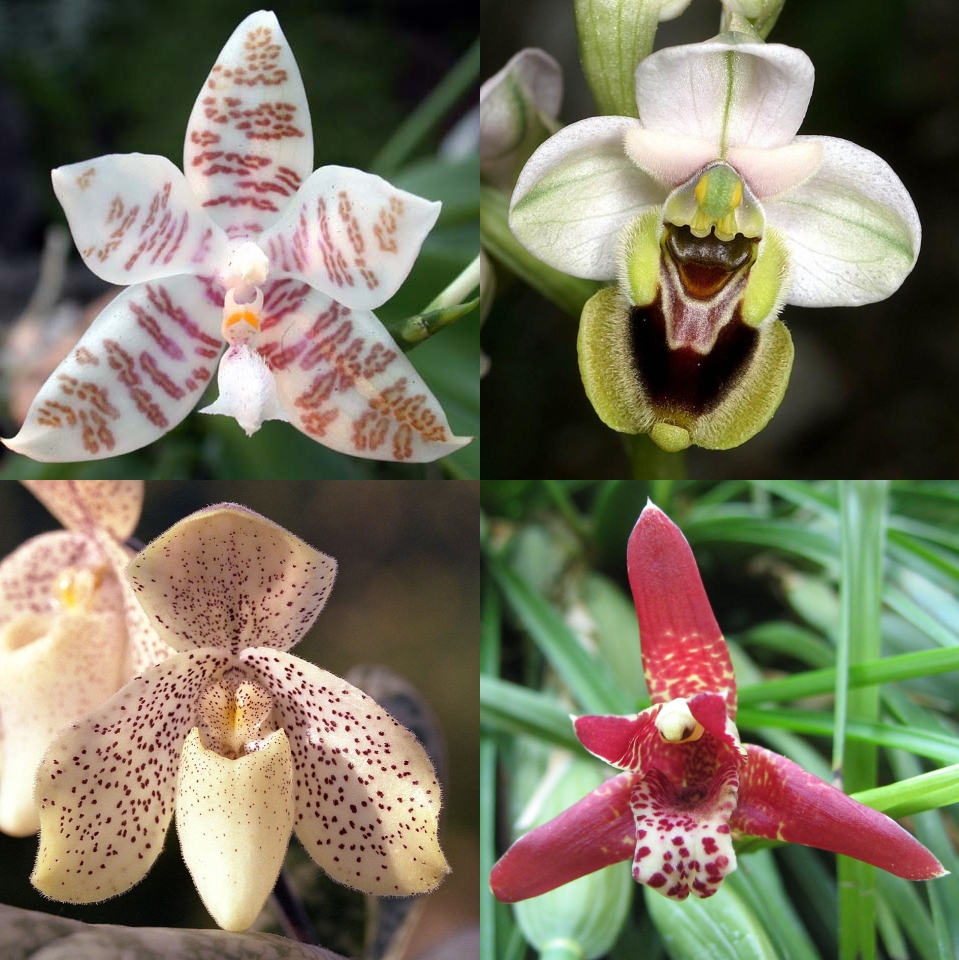 OrchidOrchidaceae
A vast family of colourful, often fragrant flowers found almost everywhere on earth
Orchidaceae · Wildflower
OrchidOrchidaceae
A vast family of colourful, often fragrant flowers found almost everywhere on earth
Orchidaceae · Wildflower
 Vanilla
Climbing orchids with pods used for the world’s most popular flavor
🇲🇽 Mexico and 7 more · Wildflower
Vanilla
Climbing orchids with pods used for the world’s most popular flavor
🇲🇽 Mexico and 7 more · Wildflower
 Orchis
A group of wild orchids with tuberous roots from Europe, North Africa and Asia
🇹🇷 Turkey and 7 more · Wildflower
Orchis
A group of wild orchids with tuberous roots from Europe, North Africa and Asia
🇹🇷 Turkey and 7 more · Wildflower
 Pansy orchidMiltoniopsis
An orchid with flowers that resemble garden pansies
🇨🇷 Costa Rica and 5 more · Orchid
Pansy orchidMiltoniopsis
An orchid with flowers that resemble garden pansies
🇨🇷 Costa Rica and 5 more · Orchid
More from India
All the flowers of India PeachPrunus persica
A flowering fruit tree from China, grown for its pink blossoms and sweet fruit
🇨🇳 China and 7 more · Flowering tree
PeachPrunus persica
A flowering fruit tree from China, grown for its pink blossoms and sweet fruit
🇨🇳 China and 7 more · Flowering tree
 PomegranatePunica granatum
A shrub with bright red flowers and a fruit full of edible seeds
🇮🇷 Iran and 9 more · Flowering shrub
PomegranatePunica granatum
A shrub with bright red flowers and a fruit full of edible seeds
🇮🇷 Iran and 9 more · Flowering shrub
 TulipTulipa
Spring-blooming bulbs with showy, cup-shaped flowers in many colours
🇳🇱 Netherlands and 7 more · Wildflower
TulipTulipa
Spring-blooming bulbs with showy, cup-shaped flowers in many colours
🇳🇱 Netherlands and 7 more · Wildflower
 FennelFoeniculum vulgare
A tall, aromatic herb with feathery leaves and yellow umbels, used for food and spice
🇨🇳 China and 7 more · Herb or useful flower
FennelFoeniculum vulgare
A tall, aromatic herb with feathery leaves and yellow umbels, used for food and spice
🇨🇳 China and 7 more · Herb or useful flower