
Chinese wisteria
Wisteria sinensis, family Fabaceae
A climbing vine from China with fragrant, hanging clusters of spring flowers
Chinese wisteria is a woody vine native to several regions of China, grown for its scented, cascading flower clusters that appear in spring before the leaves. Its twisting stems and showy blooms make it a favorite for covering walls, pergolas, and garden arches in temperate climates.
- Native to several provinces in China
- Produces fragrant, hanging flower clusters in spring
- Stems twine counterclockwise around supports
- All parts of the plant are toxic if eaten
- A California specimen is the world's largest blossoming plant
What does Chinese wisteria look like?
Chinese wisteria is a vigorous, woody vine that can reach 20 to 30 meters in height. Its stems wind in a counterclockwise direction around supports. The leaves are shiny and divided into 9 to 13 leaflets. In spring, before the leaves appear, it produces hanging clusters of flowers in shades of white, violet, or blue, each with a scent reminiscent of grapes. The plant forms flat, brown pods that split open in summer to release seeds.
Where does Chinese wisteria come from?
This species is native to China, where it grows wild in several provinces including Beijing, Fujian, and Guangdong. It was introduced to Europe in the early 19th century when cuttings were sent from China to England. Since then, it has become a popular ornamental vine in gardens across temperate regions. Some very old specimens still grow in the UK and the United States, and in some places it has spread beyond gardens and become invasive.
When and how Chinese wisteria blooms
Chinese wisteria blooms in spring, with flowers opening all at once on each cluster before the leaves unfold. It is usually grown from cuttings or by layering, as seed production is low. Gardeners often train it along walls, over pergolas, or even shape it as a small tree. It prefers temperate climates and can be damaged by late frosts or severe cold.


How Chinese wisteria is used
People plant Chinese wisteria mainly for its decorative value, using it to cover garden structures or create dramatic floral displays. Its abundant, fragrant blooms make it a highlight in spring gardens. However, all parts of the plant are poisonous if eaten, so it is not used for food or medicine. In some regions, it is grown as a symbol of beauty and longevity.
Kinds of Chinese wisteria
Several cultivated varieties exist. 'Alba' bears white flowers and was discovered in the 19th century. 'Prolific' is known for its abundant, larger purple flower clusters and earlier blooming. 'Amethyst' features deep reddish violet blossoms with a strong scent. Some of these cultivars have been recognized for their garden performance.
What Chinese wisteria means
Chinese wisteria is admired for its lush spring display and is often featured in gardens and public spaces. In some places, it has become a symbol of ornamental gardening. Notably, a specimen in California holds the record for the largest blossoming plant in the world. Despite its beauty, the plant’s toxicity is well known, and it has caused accidental poisonings.
Where Chinese wisteria is used and seen
 Hunter Valley GardensA vast themed garden and event venue in Pokolbin, New South Wales
 KanzashiTraditional Japanese hair ornaments, often crafted as folded silk flowers
 HanafudaJapanese playing cards with flower designs used for traditional games
 Jindai Botanical GardenTokyo’s first botanical garden, with themed plant zones and a large greenhouse
Traditions that use it
Questions people ask about Chinese wisteria
Where does Chinese wisteria come from?
Chinese wisteria is native to China, found in provinces such as Beijing, Fujian, and Guangdong. It was introduced to gardens in Europe and other temperate regions in the early 1800s.
What does Chinese wisteria look like?
It is a woody vine with shiny, divided leaves and twisting stems. In spring, it produces long, hanging clusters of white, violet, or blue flowers with a strong, grape-like scent.
Is Chinese wisteria poisonous?
Yes, all parts of the plant contain a toxic compound called wisterine. Eating any part of the plant can cause nausea, vomiting, stomach pain, and diarrhea.
How is Chinese wisteria used in gardens?
Gardeners train it over walls, pergolas, or arches to create cascades of flowers. It is valued for its abundant, fragrant blooms and is often a centerpiece in spring gardens.
Are there different types of Chinese wisteria?
Yes, there are several cultivars, including 'Alba' with white flowers, 'Prolific' with larger purple clusters, and 'Amethyst' with deep reddish violet blooms.
Good reading and sources
- Wisteria sinensis 'Prolific'Royal Horticultural Society, Article
- USDA Plants DatabaseUS Department of Agriculture, Article
- Plants of the World OnlineRoyal Botanic Gardens, Kew, Plant database
- Where it has been recordedGBIF, Plant database
- Sightings and photos by naturalistsiNaturalist, Plant database
- Wisteria sinensis on WikipediaEncyclopedia
- More photos on Wikimedia CommonsPhotos
- Wikidata recordOpen data
The facts on this page come from the Wikipedia article "Wisteria sinensis", written by its contributors and used under the CC BY-SA 4.0 licence, and from its Wikidata record (CC0). Phool rewrote the text in its own words, with AI assistance, and compares every page with the article to make sure no passage is copied. It may be reused under the same CC BY-SA 4.0 licence with a link back.
It may contain mistakes. It is not medical or foraging advice: many flowers are poisonous, and traditional uses are reported, not recommended. If something is wrong, tell us. Last refreshed 2026-10-03.
Others in the family Fabaceae
The whole family Acacia
Shrubs and trees with golden or cream puffball flowers, native mostly to Australia
🇦🇺 Australia and 6 more · Wildflower
Acacia
Shrubs and trees with golden or cream puffball flowers, native mostly to Australia
🇦🇺 Australia and 6 more · Wildflower
 Sensitive PlantMimosa pudica
A touch-sensitive plant whose leaves fold up when disturbed
🇧🇷 Brazil and 8 more · Wildflower
Sensitive PlantMimosa pudica
A touch-sensitive plant whose leaves fold up when disturbed
🇧🇷 Brazil and 8 more · Wildflower
 Black locustRobinia pseudoacacia
A tall, fragrant-flowered tree native to eastern North America
🇺🇸 United States and 7 more · Flowering tree
Black locustRobinia pseudoacacia
A tall, fragrant-flowered tree native to eastern North America
🇺🇸 United States and 7 more · Flowering tree
 LupinLupinus
Tall, spiky-flowered legumes grown for gardens, food, and soil health
🇺🇸 United States and 7 more · Wildflower
LupinLupinus
Tall, spiky-flowered legumes grown for gardens, food, and soil health
🇺🇸 United States and 7 more · Wildflower
More from China
All the flowers of China PeachPrunus persica
A flowering fruit tree from China, grown for its pink blossoms and sweet fruit
🇨🇳 China and 7 more · Flowering tree
PeachPrunus persica
A flowering fruit tree from China, grown for its pink blossoms and sweet fruit
🇨🇳 China and 7 more · Flowering tree
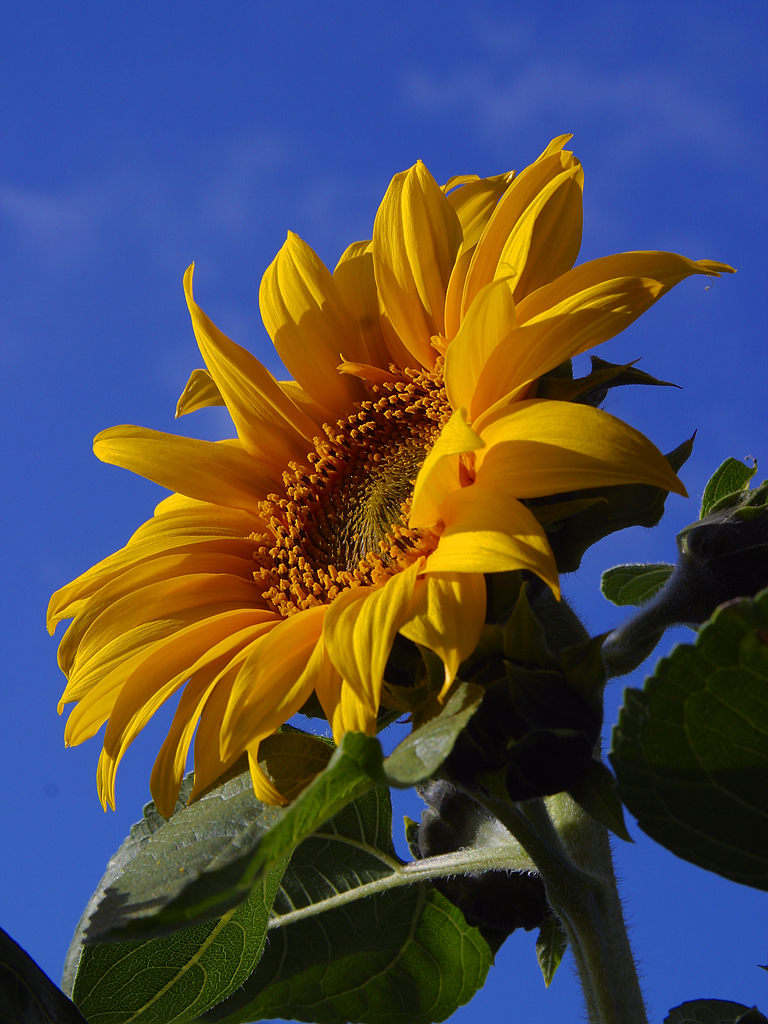 Common sunflowerHelianthus annuus
A tall annual plant grown for its large yellow flower heads and edible seeds
🇨🇦 Canada and 4 more · Wildflower
Common sunflowerHelianthus annuus
A tall annual plant grown for its large yellow flower heads and edible seeds
🇨🇦 Canada and 4 more · Wildflower
 PomegranatePunica granatum
A shrub with bright red flowers and a fruit full of edible seeds
🇮🇷 Iran and 9 more · Flowering shrub
PomegranatePunica granatum
A shrub with bright red flowers and a fruit full of edible seeds
🇮🇷 Iran and 9 more · Flowering shrub
 BirchBetula
Slender trees with papery bark found across the northern world
🇨🇳 China and 7 more · Wildflower
BirchBetula
Slender trees with papery bark found across the northern world
🇨🇳 China and 7 more · Wildflower