
Giant yucca
Yucca gigantea, family Asparagaceae
A tall, spineless yucca with edible white flowers from Central America
Giant yucca is a tall, evergreen plant from eastern Mexico and Central America, grown for its dramatic, spineless leaves and large clusters of white flowers. The flowers, called izote, are a key ingredient in Salvadoran cooking and are also the national flower of El Salvador.
- The white flower is the national flower of El Salvador.
- Its petals are widely used in Central American cooking.
- Giant yucca can reach up to 12 meters tall.
- It is grown as both a houseplant and a garden shrub.
- The plant has no sharp leaf tips, unlike many yuccas.
What does Giant yucca look like?
Giant yucca grows as a large shrub or small tree, sometimes reaching up to 12 meters but often shorter. Its trunk is thick and swollen at the base, resembling an elephant’s foot, and may branch into several stems. The leaves are long, narrow, and flexible, without sharp tips, and form dense clusters. In summer, the plant sends up tall spikes covered in drooping white flowers, which are followed by small, fleshy, brown fruits.
Where does Giant yucca come from?
Yucca gigantea is native to eastern Mexico and Central America, including Belize, Guatemala, Honduras, Nicaragua, Costa Rica, and El Salvador. It was first described in the 19th century by French botanist Charles Lemaire. The plant has been widely grown outside its native region and is now naturalized in places like Ecuador, Spain, Portugal, and Puerto Rico. It is known under several names, but Yucca gigantea is the accepted scientific name.
When and how Giant yucca blooms
This yucca thrives in hot, semi-arid climates and tolerates drought well. It can grow in many soil types but dislikes excess water, which can cause root rot. The plant is usually propagated by cuttings, suckers, or seeds. Young plants are often kept as houseplants, while mature ones are better suited to gardens. It can be affected by pests like scale insects and yucca moth borers.


How Giant yucca is used
The white flowers are a staple in Central American kitchens, especially in El Salvador where they are called izote. People remove the bitter parts before cooking the petals in dishes with tomato, onion, and chili, or batter them for stews. In Guatemala, the flowers are boiled and served with lemon. The tender stem tips are also eaten in El Salvador. As an ornamental, giant yucca is popular in gardens and homes.
Kinds of Giant yucca
Yucca gigantea is also known by the names Yucca elephantipes and Yucca guatemalensis, though the first is not considered a valid scientific name. The plant may have a single trunk or several, and its size can vary greatly depending on where it is grown. There are no widely recognized cultivars, but the plant is grown both outdoors and as a houseplant.
What Giant yucca means
The flower of Yucca gigantea, called izote, is the national flower of El Salvador and features in local cuisine and identity. Its use in food is widespread in Central America, reflecting the traditions of many indigenous groups. The plant is valued for its adaptability and striking appearance, and it is grown in gardens around the world.
Where Giant yucca is used and seen


Questions people ask about Giant yucca
Where does giant yucca come from?
Giant yucca is native to eastern Mexico and Central America, including countries such as El Salvador, Guatemala, Honduras, Nicaragua, Costa Rica, and Belize.
What does giant yucca look like?
It is a tall, evergreen shrub or small tree with a thick, swollen trunk base and long, narrow, spineless leaves. In summer, it produces large clusters of drooping white flowers.
How are the flowers of giant yucca used?
The white flowers, known as izote, are a traditional food in Central America. The bitter reproductive parts are removed, and the petals are cooked in various dishes, especially in El Salvador and Guatemala.
What does giant yucca symbolize?
The flower of giant yucca is the national emblem of El Salvador and is important in local culture and cuisine.
Can giant yucca be grown indoors?
Young plants are often kept as houseplants because they adapt well to indoor conditions, but mature plants are better suited for gardens due to their size.
Good reading and sources
- Yucca elephantipesRoyal Horticultural Society, Article
- Plants of the World OnlineRoyal Botanic Gardens, Kew, Plant database
- Where it has been recordedGBIF, Plant database
- Sightings and photos by naturalistsiNaturalist, Plant database
- Yucca gigantea on WikipediaEncyclopedia
- More photos on Wikimedia CommonsPhotos
- Wikidata recordOpen data
The facts on this page come from the Wikipedia article "Yucca gigantea", written by its contributors and used under the CC BY-SA 4.0 licence, and from its Wikidata record (CC0). Phool rewrote the text in its own words, with AI assistance, and compares every page with the article to make sure no passage is copied. It may be reused under the same CC BY-SA 4.0 licence with a link back.
It may contain mistakes. It is not medical or foraging advice: many flowers are poisonous, and traditional uses are reported, not recommended. If something is wrong, tell us. Last refreshed 2026-10-03.
Others in the family Asparagaceae
The whole family Lily-of-the-valleyConvallaria majalis
A woodland plant with sweet-scented white bell flowers in late spring
🇫🇮 Finland and 4 more · Wildflower
Lily-of-the-valleyConvallaria majalis
A woodland plant with sweet-scented white bell flowers in late spring
🇫🇮 Finland and 4 more · Wildflower
 HyacinthHyacinthus
A spring-blooming bulb with fragrant, colourful flower spikes
🇹🇷 Turkey and 7 more · Bulb flower
HyacinthHyacinthus
A spring-blooming bulb with fragrant, colourful flower spikes
🇹🇷 Turkey and 7 more · Bulb flower
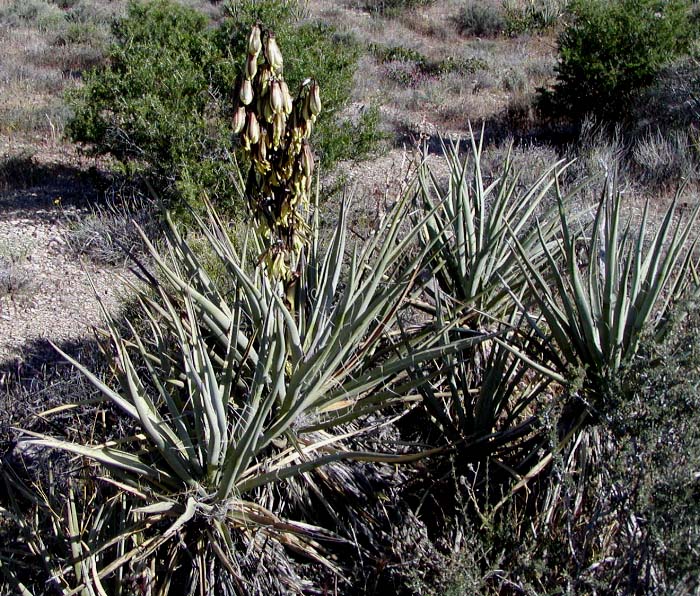 Yucca
Dry-climate plants with pointed leaves and clusters of creamy white flowers
🇲🇽 Mexico and 4 more · Wildflower
Yucca
Dry-climate plants with pointed leaves and clusters of creamy white flowers
🇲🇽 Mexico and 4 more · Wildflower
 Ornithogalum thyrsoides
A white, long-lasting bulb flower from South Africa’s Cape Province
🇿🇦 South Africa · Bulb flower
Ornithogalum thyrsoides
A white, long-lasting bulb flower from South Africa’s Cape Province
🇿🇦 South Africa · Bulb flower
More from Mexico
All the flowers of Mexico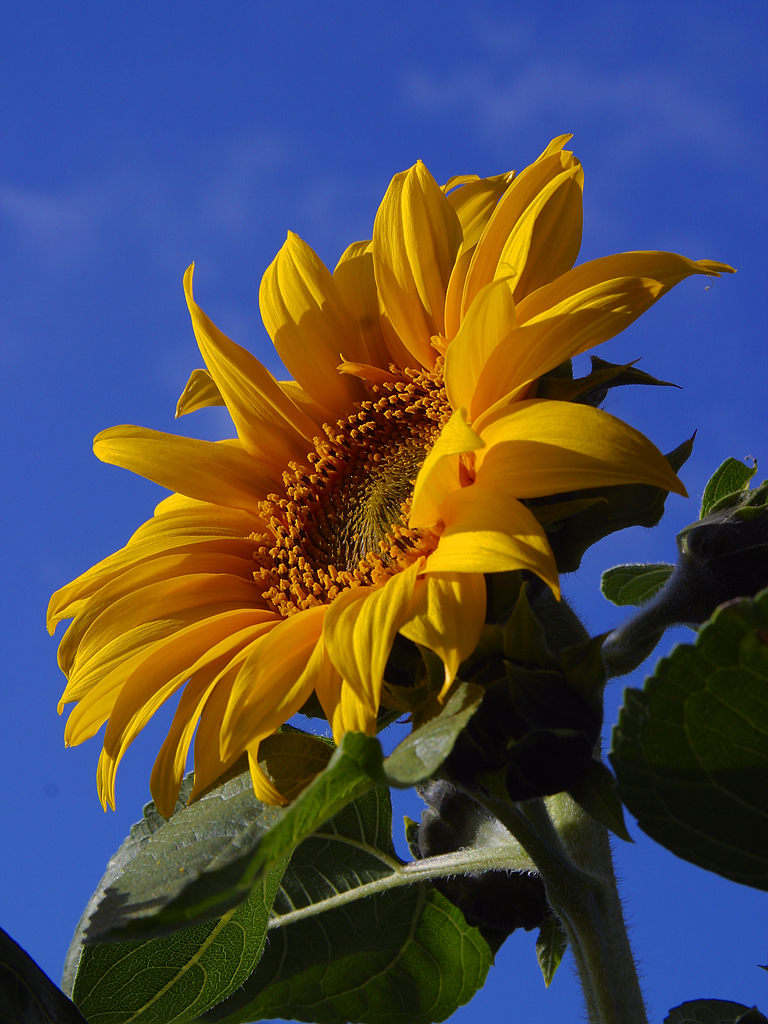 Common sunflowerHelianthus annuus
A tall annual plant grown for its large yellow flower heads and edible seeds
🇨🇦 Canada and 4 more · Wildflower
Common sunflowerHelianthus annuus
A tall annual plant grown for its large yellow flower heads and edible seeds
🇨🇦 Canada and 4 more · Wildflower
 CactusCactaceae
Succulent plants with spines, native to the Americas
🇲🇽 Mexico and 7 more · Wildflower
CactusCactaceae
Succulent plants with spines, native to the Americas
🇲🇽 Mexico and 7 more · Wildflower
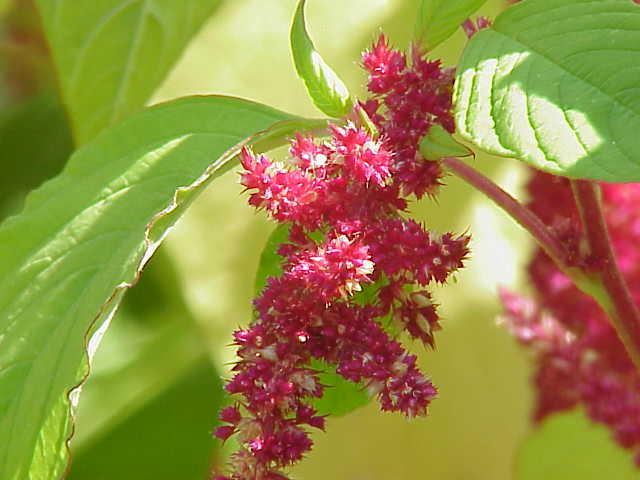 AmaranthAmaranthus
A tall, colourful plant grown for its flowers, leaves and edible seeds
🇲🇽 Mexico and 7 more · Wildflower
AmaranthAmaranthus
A tall, colourful plant grown for its flowers, leaves and edible seeds
🇲🇽 Mexico and 7 more · Wildflower
 HawthornCrataegus
A thorny shrub or tree with white or pink spring flowers and small edible fruits
🇮🇪 Ireland and 7 more · Wildflower
HawthornCrataegus
A thorny shrub or tree with white or pink spring flowers and small edible fruits
🇮🇪 Ireland and 7 more · Wildflower