
Garden of Ninfa
A romantic English-style garden among medieval ruins in central Italy
The Garden of Ninfa is a landscape garden and nature reserve in central Italy, set among the remains of a medieval town. Visitors find a mix of ancient stonework, streams, and a wide range of plants from around the world, including many types of roses, all managed by a local foundation.
- Built among the ruins of a medieval town
- Home to over a thousand plant varieties, especially roses
- Open to visitors from April to November with guided tours
- A sanctuary for more than 150 bird species
- Managed by the Roffredo Caetani Foundation
What is Garden of Ninfa?
The Garden of Ninfa covers over 100 hectares, with about 8 hectares dedicated to its landscaped garden. The site is filled with the ruins of a medieval town, including old churches, towers, and stone walls. Visitors walk among grassy meadows, streams, and a wide variety of trees and flowering plants, especially roses that climb over ancient masonry. The garden is also home to many birds and small animals, thanks to its wetlands and river.
The history of Garden of Ninfa
Ninfa began as a settlement in Roman times and grew into a prosperous town in the Middle Ages, with churches, mills, and a castle. It was largely destroyed in the 12th century and later abandoned due to marshland and disease. The Caetani family owned the land for centuries, and in the early 20th century, Gelasio Caetani and his mother Ada Bootle-Wilbraham began restoring the ruins and planting a garden in the English style. Today, the Roffredo Caetani Foundation manages the site.
What there is to see
The garden was created by planting trees and flowers from many countries, taking advantage of the area's humid climate and natural springs. Roses, magnolias, cypresses, and many other species were chosen for their beauty and ability to thrive here. The garden is carefully maintained, and visitors must follow a guided route to protect the landscape and wildlife.


When to go
Open to the public from April to November, the Garden of Ninfa can only be visited with a guide. People come to enjoy its peaceful paths, see rare plants, and explore the ruins. The garden is also a sanctuary for birds, with special areas set aside for wildlife. It is a popular destination for garden lovers and those interested in history.
Parts and collections
The garden features many different types of roses, including climbing varieties and hybrids such as 'Iceberg', 'Max Graf', 'Penelope', and 'Ballerina'. Other notable plants include wisteria, hydrangea, magnolia, and bamboo. The layout and plantings reflect the English garden style, with informal groupings and naturalistic scenery.
Why Garden of Ninfa matters
Ninfa is valued for its blend of history and horticulture, drawing visitors from around the world. The ruins and gardens together create a unique atmosphere, and the site is recognized as a natural monument in Italy. Its reputation among garden enthusiasts is strong, and it is managed to balance public enjoyment with conservation.
The flowers of Garden of Ninfa
 RoseWoody perennial plants with showy, often fragrant flowers in many colours
 MalusThe genus of apples and crabapples with spring blossoms and autumn fruit
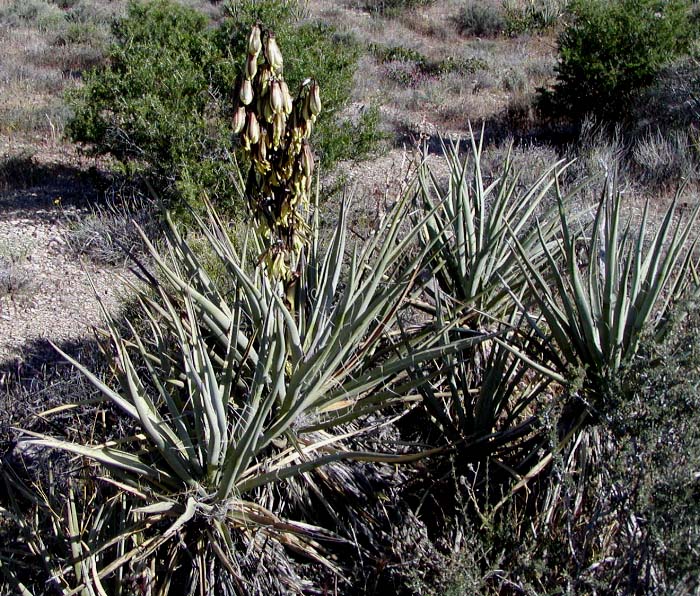 YuccaDry-climate plants with pointed leaves and clusters of creamy white flowers
 Southern catalpaA fast-growing American tree with showy white trumpet flowers
 Giant yuccaA tall, spineless yucca with edible white flowers from Central America
 Soapweed yuccaA hardy, spiky-leaved yucca of the central North American plains
 Soaptree yuccaA tall desert plant with white, bell-shaped flowers and fibrous leaves
Questions people ask about Garden of Ninfa
Where is the Garden of Ninfa located?
The Garden of Ninfa is in central Italy, near the town of Cisterna di Latina, about 64 kilometers southeast of Rome.
What can visitors see at Ninfa?
Visitors find a landscaped garden set among medieval ruins, with streams, meadows, and a wide range of trees and flowers, especially roses. The site also supports many bird species and other wildlife.
When is the best time to visit the garden?
The garden is open from April to November. Spring and early summer are popular times to see many flowers in bloom.
What is special about the plants at Ninfa?
The garden contains over a thousand types of plants, including roses, magnolias, cypresses, and exotic species from around the world, chosen for their ability to thrive in the local climate.
How is the garden managed today?
The Roffredo Caetani Foundation oversees the garden, maintaining both the landscape and the ruins, and ensuring that visits are guided to protect the site.
Good reading and sources
- Garden of Ninfa on WikipediaEncyclopedia
- More photos on Wikimedia CommonsPhotos
- Wikidata recordOpen data
The facts on this page come from the Wikipedia article "Garden of Ninfa", written by its contributors and used under the CC BY-SA 4.0 licence, and from its Wikidata record (CC0). Phool rewrote the text in its own words, with AI assistance, and compares every page with the article to make sure no passage is copied. It may be reused under the same CC BY-SA 4.0 licence with a link back.
It may contain mistakes. Opening times, prices and bloom dates change: check with the place before you travel. If something is wrong, tell us. Last refreshed 2026-10-03.
More of the same kind
 Place
AlhambraLa Alhambra
Medieval palace and fortress complex overlooking Granada, Spain
Granada, 🇪🇸 Spain · Flower garden
Place
AlhambraLa Alhambra
Medieval palace and fortress complex overlooking Granada, Spain
Granada, 🇪🇸 Spain · Flower garden
 Place
Shalimar Bagh
A Mughal-era garden of terraces, fountains and chinar trees by Dal Lake, Srinagar
Srinagar, 🇮🇳 India · Flower garden
Place
Shalimar Bagh
A Mughal-era garden of terraces, fountains and chinar trees by Dal Lake, Srinagar
Srinagar, 🇮🇳 India · Flower garden
 Place
Chashme Shahi
A Mughal garden built around a spring in Srinagar, Kashmir
Srinagar, 🇮🇳 India · Flower garden, Mar to Nov
Place
Chashme Shahi
A Mughal garden built around a spring in Srinagar, Kashmir
Srinagar, 🇮🇳 India · Flower garden, Mar to Nov
 Place
Sim's Park, Coonoor
A century-old botanical garden in the Nilgiri hills of Tamil Nadu
Coonoor, 🇮🇳 India · Botanical garden, May
Place
Sim's Park, Coonoor
A century-old botanical garden in the Nilgiri hills of Tamil Nadu
Coonoor, 🇮🇳 India · Botanical garden, May
More from Italy
All the flowers of Italy Place
Rose garden
A public garden devoted to growing and displaying many kinds of roses
L'Haÿ-les-Roses, 🇫🇷 France · Flower garden
Place
Rose garden
A public garden devoted to growing and displaying many kinds of roses
L'Haÿ-les-Roses, 🇫🇷 France · Flower garden
 Place
Villa Rufolo
A historic villa in Ravello with year-round flower gardens and sea views
Ravello, 🇮🇹 Italy · Flower garden
Place
Villa Rufolo
A historic villa in Ravello with year-round flower gardens and sea views
Ravello, 🇮🇹 Italy · Flower garden
 Place
Genzano di Roma
A hill town near Rome known for its June flower carpet festival
Genzano di Roma, 🇮🇹 Italy · Flower garden, June
Place
Genzano di Roma
A hill town near Rome known for its June flower carpet festival
Genzano di Roma, 🇮🇹 Italy · Flower garden, June
 Place
Hanbury botanical gardens
A historic Mediterranean botanical garden on the Italian Riviera
Ventimiglia, 🇮🇹 Italy · Botanical garden
Place
Hanbury botanical gardens
A historic Mediterranean botanical garden on the Italian Riviera
Ventimiglia, 🇮🇹 Italy · Botanical garden