
Zinnia
Bright, long-stemmed flowers native to dry grasslands from the US to South America
Zinnia is a genus of flowering plants known for its single or double rows of vivid petals in many colors. Native mainly to Mexico and the southwestern United States, zinnias are grown worldwide as garden annuals, attracting butterflies and hummingbirds with their blooms from summer into autumn.
- Native to dry grasslands from the US Southwest to South America, especially Mexico
- Flowers come in white, yellow, orange, red, purple, lilac, and chartreuse
- Zinnias attract butterflies and hummingbirds to gardens
- First flowering plant grown on the International Space Station
- Symbolize thoughts of absent friends in the language of flowers
What does Zinnia look like?
Zinnias are annuals, shrubs, or sub-shrubs with upright or sometimes spreading stems, usually between 10 and 100 cm tall. Their leaves are opposite, stalkless, and range from narrow to oval in shape. The flowers have a daisy-like look, with a single or double row of petals in colors like white, yellow, orange, red, purple, lilac, or chartreuse. Each flower head consists of outer ray florets and a central cluster of disc florets, sometimes in contrasting colors. Zinnias attract bees, butterflies, and hummingbirds.
Where does Zinnia come from?
Zinnia is native to dry grasslands and scrub from the southwestern United States through Mexico, with some species in South America. The greatest diversity is found in Mexico. The genus was named after Johann Gottfried Zinn, who collected seeds in Mexico in the 18th century. Zinnias were introduced to Europe in the 1700s, with Z. elegans arriving around 1790. Over time, breeders developed many new colors and forms, making zinnias popular worldwide.
When and how Zinnia blooms
Zinnias are usually grown as annuals from seed sown directly in the soil, as they do not transplant well due to fragile roots. They prefer full sun, well-drained, fertile soil, and regular watering. Zinnias bloom from summer until the first frost, and deadheading spent flowers encourages more blooms. They can reseed themselves in the garden. Most are grown for their showy flowers, which come in single, semi-double, or double forms.


How Zinnia is used
Zinnias are widely grown in gardens for their bright, long-lasting flowers and are often used in bouquets. Their blooms attract butterflies and hummingbirds, making them a favorite in pollinator gardens. Some species are edible, though they are mostly used as garnish due to a bitter taste. Zinnias are also grown as companion plants to help control garden pests. In the language of flowers, they have come to represent thoughts of absent friends.
Kinds of Zinnia
There are over 20 species of zinnia, with Zinnia elegans and Zinnia angustifolia being the most widely grown. Z. elegans is known for its tall stature and broad range of colors, while Z. angustifolia is more compact with delicate, usually yellow, orange, or white flowers. Hybrids, such as the 'Profusion' series, combine traits from both species, offering mildew resistance and a variety of flower forms. Over 100 cultivars have been bred.
What Zinnia means
Zinnias have been cultivated since the 18th century and are now popular garden flowers worldwide. In the Victorian language of flowers, zinnias symbolize remembrance and thoughts of friends who are far away. Zinnias were the first flowering plants grown on the International Space Station, helping scientists study plant growth in microgravity. Their ability to attract pollinators adds ecological value to gardens.
Traditions that use it
Questions people ask about Zinnia
Where do zinnias come from?
Zinnias are native to scrub and dry grasslands stretching from the southwestern United States through Mexico, with some species found as far south as Paraguay and other parts of South America.
What do zinnias look like?
Zinnias have daisy-like flowers with single or double rows of petals in bright colors such as white, yellow, orange, red, purple, and lilac. Plants can be upright or spreading and range from 10 to 100 cm tall.
What are zinnias used for?
Zinnias are mainly grown as garden flowers and for cut flower arrangements. They attract butterflies and hummingbirds and are sometimes used as edible garnishes, though their taste is often bitter.
What do zinnias symbolize?
In the language of flowers, zinnias represent thoughts of absent friends and remembrance.
Are there different types of zinnias?
Yes, there are over 20 species and many hybrids. Zinnia elegans and Zinnia angustifolia are the most common, with numerous cultivars offering various colors, heights, and flower forms.
Good reading and sources
- Encyclopaedia BritannicaArticle
- USDA Plants DatabaseUS Department of Agriculture, Article
- Plants of the World OnlineRoyal Botanic Gardens, Kew, Plant database
- Where it has been recordedGBIF, Plant database
- Sightings and photos by naturalistsiNaturalist, Plant database
The facts on this page come from the Wikipedia article "Zinnia", written by its contributors and used under the CC BY-SA 4.0 licence, and from its Wikidata record (CC0). EveryPhool rewrote the text in its own words, with AI assistance, and compares every page with the article to make sure no passage is copied. It may be reused under the same CC BY-SA 4.0 licence with a link back.
It may contain mistakes. It is not medical or foraging advice: many flowers are poisonous, and traditional uses are reported, not recommended. If something is wrong, tell us. Last refreshed 2026-10-03.
Others in the family Asteraceae
The whole family Chrysanthemum菊花
Autumn-blooming flower with thousands of varieties, cherished in East Asia and beyond
🇨🇳 China and 6 more · Wildflower
Chrysanthemum菊花
Autumn-blooming flower with thousands of varieties, cherished in East Asia and beyond
🇨🇳 China and 6 more · Wildflower
 DandelionTaraxacum
A yellow-flowered perennial found in fields, lawns, and gardens worldwide
Taraxacum · Wildflower
DandelionTaraxacum
A yellow-flowered perennial found in fields, lawns, and gardens worldwide
Taraxacum · Wildflower
 Dahlia
A bushy perennial with tuberous roots and bright, star-shaped blooms
🇲🇽 Mexico and 1 more · Garden flower
Dahlia
A bushy perennial with tuberous roots and bright, star-shaped blooms
🇲🇽 Mexico and 1 more · Garden flower
 Common dandelionTaraxacum officinale
A familiar yellow wildflower with fluffy seed heads found across temperate regions
🇨🇳 China · Wildflower
Common dandelionTaraxacum officinale
A familiar yellow wildflower with fluffy seed heads found across temperate regions
🇨🇳 China · Wildflower
More from Mexico
All the flowers of Mexico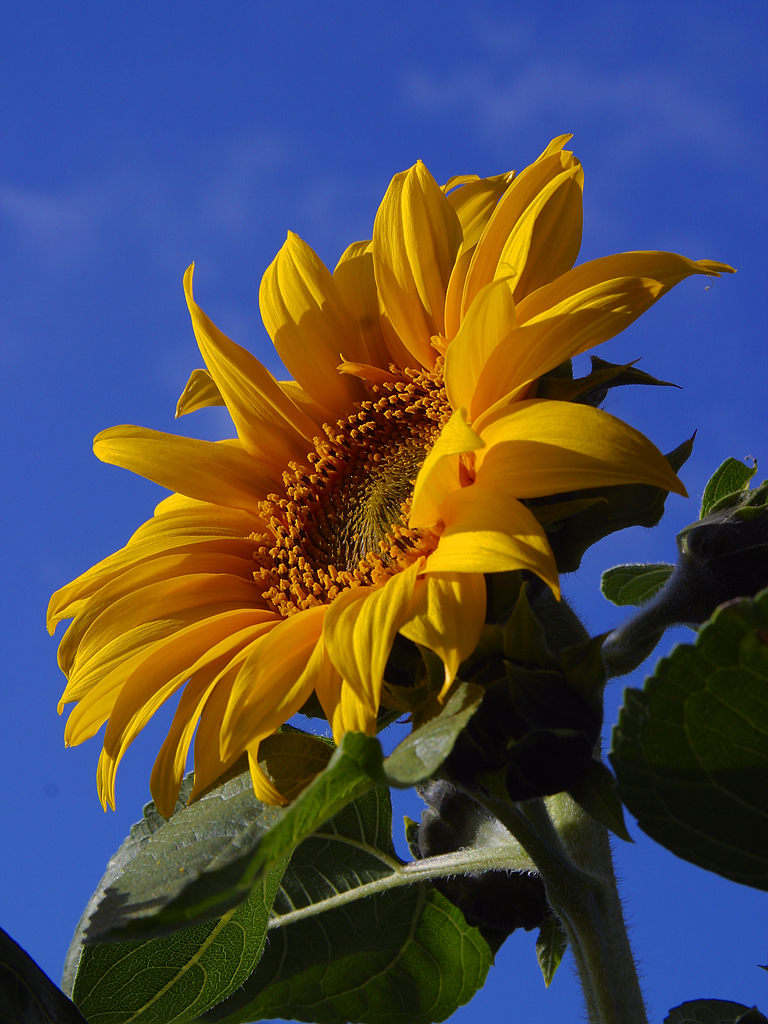 Common sunflowerHelianthus annuus
A tall annual plant grown for its large yellow flower heads and edible seeds
🇨🇦 Canada and 4 more · Wildflower
Common sunflowerHelianthus annuus
A tall annual plant grown for its large yellow flower heads and edible seeds
🇨🇦 Canada and 4 more · Wildflower
 CactusCactaceae
Succulent plants with spines, native to the Americas
🇲🇽 Mexico and 7 more · Wildflower
CactusCactaceae
Succulent plants with spines, native to the Americas
🇲🇽 Mexico and 7 more · Wildflower
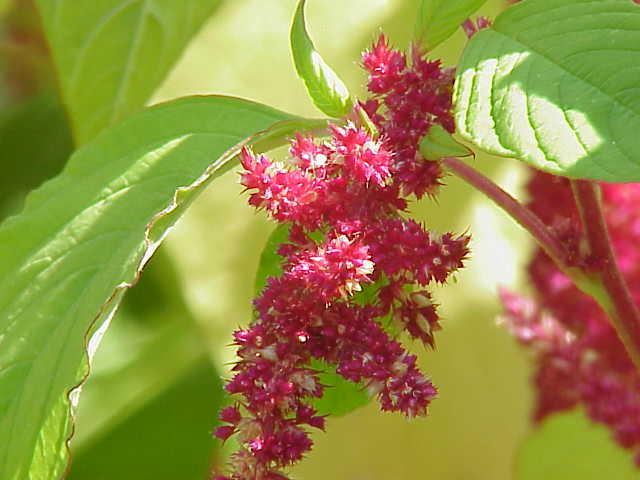 AmaranthAmaranthus
A tall, colourful plant grown for its flowers, leaves and edible seeds
🇲🇽 Mexico and 7 more · Wildflower
AmaranthAmaranthus
A tall, colourful plant grown for its flowers, leaves and edible seeds
🇲🇽 Mexico and 7 more · Wildflower
 HawthornCrataegus
A thorny shrub or tree with white or pink spring flowers and small edible fruits
🇮🇪 Ireland and 7 more · Wildflower
HawthornCrataegus
A thorny shrub or tree with white or pink spring flowers and small edible fruits
🇮🇪 Ireland and 7 more · Wildflower