
Bach flower remedies
Diluted flower extracts used in a remedy system created by Edward Bach
Bach flower remedies are solutions made from extreme dilutions of flower material in water and brandy, developed by Edward Bach in England in the early 1900s. These are taken orally and are claimed by supporters to affect emotions, though clinical studies have found no effect beyond placebo.
- Created by Edward Bach in England in the early 1900s
- Made from highly diluted flower extracts in water and brandy
- No proven effect beyond placebo in clinical trials
- Rescue Remedy is the best-known blend of five flower essences
What is Bach flower remedies?
Bach flower remedies are liquid solutions that combine water and brandy, with the water having been in contact with flower material. The process involves diluting the flower essence so much that almost none of the original plant remains. The remedies are clear and do not have a noticeable scent or taste from the flowers. They are usually taken by mouth, either alone or mixed with other remedies.
Where does Bach flower remedies come from?
Edward Bach, an English doctor, developed these remedies in the 1910s and 1920s. He believed that dew collected from flower petals could hold the plant's healing properties. When dew was not enough, he would soak flowers in water under sunlight or boil them. Bach created a set of 38 remedies, each linked to a specific emotional state. His approach was based on intuition and personal experience rather than scientific testing.
How Bach flower remedies is made
To make a Bach flower remedy, flowers are placed in spring water and left in sunlight, or sometimes boiled. The water is then mixed with an equal amount of brandy to preserve it, creating what is called a mother tincture. This tincture is further diluted before being sold or used. The most well-known blend, Rescue Remedy, combines five different flower essences.


When and where Bach flower remedies is used
Supporters of Bach flower remedies use them to address emotional concerns. Remedies are usually taken orally, sometimes combined for specific effects. The system includes 38 different remedies, each said to correspond to a particular mood or feeling. Scientific studies have found no evidence that these remedies work beyond a placebo effect.
Forms of Bach flower remedies
The original system includes 38 single flower remedies and several blends, the most famous being Rescue Remedy, which mixes five flower essences. Other companies may produce similar mixtures under different names. The remedies are always prepared using Bach's method of dilution and preservation with brandy.
What Bach flower remedies means
Bach flower remedies are part of complementary and alternative medicine. They are widely available and promoted for emotional well-being, but scientific reviews have found no evidence that they are effective. The remedies are considered safe, with no serious side effects reported, but their use is not supported by clinical data.
The flowers of Bach flower remedies
 ClematisA climbing vine with showy flowers, prized in gardens worldwide
 Rose mossA low, colourful succulent with bright flowers for sunny gardens and containers
 Clematis paniculataA white-flowered climbing vine native to New Zealand forests
 Himalayan balsamTall Himalayan annual with pink helmet-shaped flowers and explosive seed pods
 HelianthemumA group of small, sun-loving flowers called rock roses or sunroses
 Busy LizzieA shade-loving garden flower with bright, soft-petalled blooms
 AgapanthusBlue to white summer flowers from southern Africa, grown worldwide in gardens
 ImpatiensA large genus of flowering herbs known for their explosive seed pods and colorful blooms
Questions people ask about Bach flower remedies
Where do Bach flower remedies come from?
They were developed in England by Edward Bach, a medical doctor, in the early 20th century. Bach created the remedies based on his own beliefs about the healing properties of flowers.
What are Bach flower remedies used for?
Supporters use them for emotional concerns, believing each remedy addresses a specific mood or feeling. However, scientific studies have found no evidence that they are effective beyond a placebo.
How are Bach flower remedies made?
Flowers are placed in water and exposed to sunlight or boiled, then the water is mixed with brandy to preserve it. This mixture is diluted further before use.
Do Bach flower remedies have any scent or taste?
Because of the extreme dilution, the remedies do not have a noticeable scent or taste from the original flowers.
Are Bach flower remedies scientifically proven to work?
Clinical trials and reviews have found no evidence that Bach flower remedies work better than a placebo. They are considered safe, but their effectiveness is not supported by scientific data.
Good reading and sources
- Bach flower remedies on WikipediaEncyclopedia
- More photos on Wikimedia CommonsPhotos
- Wikidata recordOpen data
The facts on this page come from the Wikipedia article "Bach flower remedies", written by its contributors and used under the CC BY-SA 4.0 licence, and from its Wikidata record (CC0). Phool rewrote the text in its own words, with AI assistance, and compares every page with the article to make sure no passage is copied. It may be reused under the same CC BY-SA 4.0 licence with a link back.
It may contain mistakes. If something is wrong, tell us. Last refreshed 2026-10-03.
More of the same kind
 Decoration
Bonsai盆栽
The Japanese art of shaping miniature trees in shallow pots
🇯🇵 Japan and 7 more · Art or design
Decoration
Bonsai盆栽
The Japanese art of shaping miniature trees in shallow pots
🇯🇵 Japan and 7 more · Art or design
 Decoration
Tokonoma床の間
A Japanese alcove for displaying scrolls and flower arrangements
🇯🇵 Japan · Arrangement
Decoration
Tokonoma床の間
A Japanese alcove for displaying scrolls and flower arrangements
🇯🇵 Japan · Arrangement
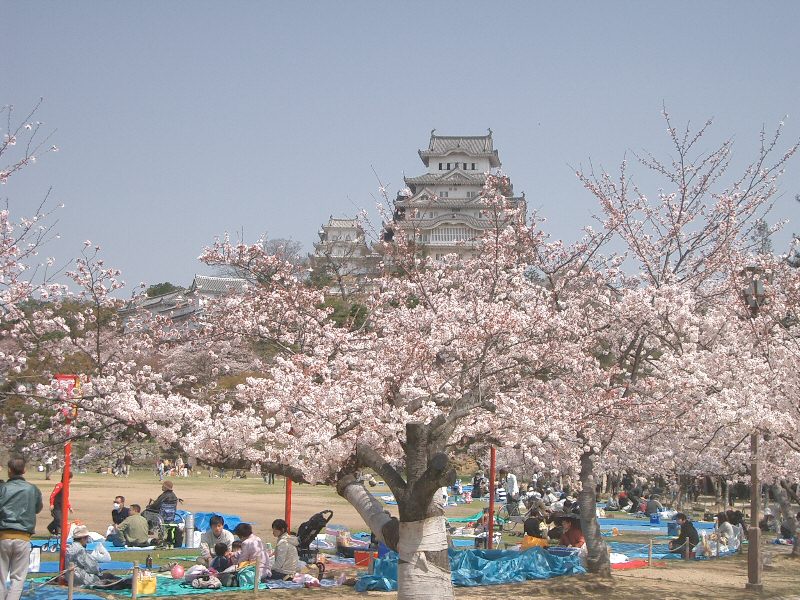 Decoration
Hanami花見
The Japanese tradition of gathering to enjoy cherry blossoms in spring
🇯🇵 Japan and 7 more · Custom, Jan to May
Decoration
Hanami花見
The Japanese tradition of gathering to enjoy cherry blossoms in spring
🇯🇵 Japan and 7 more · Custom, Jan to May
 Decoration
Sōgetsu草月流
A modern school of Japanese ikebana open to all materials and styles
🇯🇵 Japan · Arrangement
Decoration
Sōgetsu草月流
A modern school of Japanese ikebana open to all materials and styles
🇯🇵 Japan · Arrangement