
Fleur-de-lis
A stylized lily used as a heraldic emblem
The fleur-de-lis is a stylized lily used in heraldry and symbolism. It originated in France and became a royal emblem, later appearing on flags, coats of arms, and religious art across Europe and beyond.
- Used on the traditional coat of arms of France since the High Middle Ages
- Appears on the flag of Quebec and other Canadian provincial symbols
- Revived as a national symbol of Bosnia and Herzegovina in 1992
- Associated with the Virgin Mary in Christian religious art
- May derive from the yellow iris growing along the Lys river
What is Fleur-de-lis?
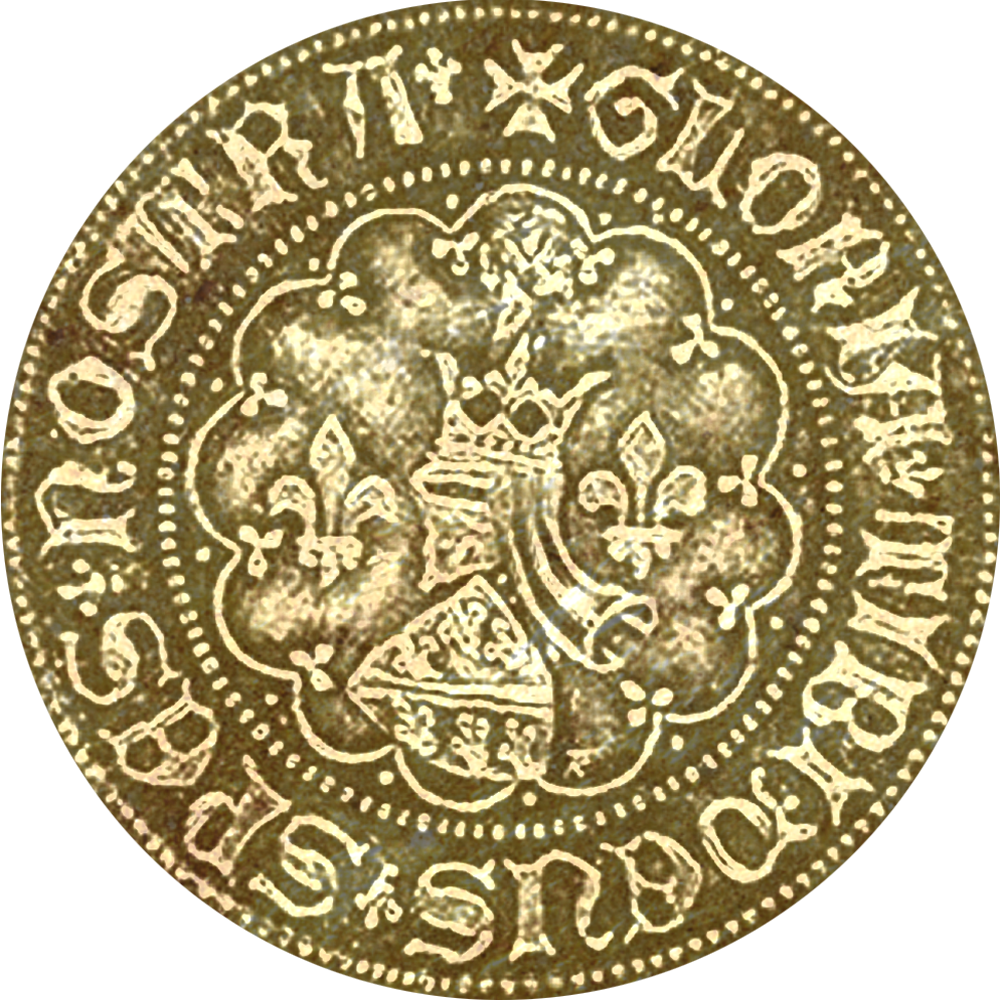
The fleur-de-lis is a stylized representation of a lily, typically shown with three petals bound together near the base. The central petal stands upright while the two side petals curve outward. It is usually depicted in gold on a blue background in French heraldry.
Where does Fleur-de-lis come from?
The name comes from the French words for flower (fleur) and lily (lis). Some historians suggest it was originally based on the yellow iris (Iris pseudacorus) that grew along the Lys river in Flanders. It became associated with French royalty by the 12th century, especially under the Capetian kings Louis VI and Louis VII.
How Fleur-de-lis is made
As a heraldic charge, the fleur-de-lis is rendered in a highly stylized form following rules of coat of arms design. It appears singly or in groups, most famously as three golden flowers on a blue shield for the kings of France. Variations exist in municipal, national, and religious emblems worldwide.


When and where Fleur-de-lis is used
The fleur-de-lis has served as a royal, religious, and national symbol. It appears on the flags of Quebec and historical French territories, in Christian art representing the Virgin Mary, and as an emblem of Bosniak identity in Bosnia and Herzegovina. It remains a marker of French cultural heritage in Canada.
Forms of Fleur-de-lis
In medieval France, the royal arms showed many scattered fleurs-de-lis (France Ancient); this changed to three flowers (France Modern) under Charles V around 1376. In Bosnia, the symbol is linked to the native golden lily, Lilium bosniacum. Different regions stylize the motif according to local heraldic traditions.
What Fleur-de-lis means
The fleur-de-lis symbolizes purity, divine right, and French monarchy. In Christianity, it represents the Immaculate Conception. It became a dynastic emblem tied to legends of King Clovis I’s baptism. Today it endures in national flags, civic emblems, and as a sign of cultural identity among French-speaking communities.
Questions people ask about Fleur-de-lis
What does the fleur-de-lis symbolize?
It symbolizes purity, divine right, and French royalty. In Christianity, it represents the Immaculate Conception and is associated with the Virgin Mary.
Where does the fleur-de-lis come from?
It originated in France as a heraldic emblem, first used by Capetian kings in the 12th century. Some believe it was inspired by the yellow iris of the Lys river region.
Is the fleur-de-lis still used today?
Yes. It appears on the flag of Quebec, in Canadian heraldry, and as a national and ethnic symbol in Bosnia and Herzegovina, among other modern uses.
Why is it called 'fleur-de-lis'?
The name means 'flower of the lily' in French. However, some scholars argue it may have originally referred to the iris, not the true lily.
Good reading and sources
- Encyclopaedia BritannicaArticle
- Black Spartacus: The Epic Life of Toussaint Louverture reviewThe Guardian, Article
- Fleur-de-lys Vase with Primary Standard Sequence Glyph Band - Reading Pre-Columbian Artifacts - Exploring the Early Americas | ExhibitionsLibrary of Congress, Article
The facts on this page come from the Wikipedia article "Fleur-de-lis", written by its contributors and used under the CC BY-SA 4.0 licence, and from its Wikidata record (CC0). Phool rewrote the text in its own words, with AI assistance, and compares every page with the article to make sure no passage is copied. It may be reused under the same CC BY-SA 4.0 licence with a link back.
It may contain mistakes. If something is wrong, tell us. Last refreshed 2026-10-03.
More of the same kind
 Decoration
Bonsai盆栽
The Japanese art of shaping miniature trees in shallow pots
🇯🇵 Japan and 7 more · Art or design
Decoration
Bonsai盆栽
The Japanese art of shaping miniature trees in shallow pots
🇯🇵 Japan and 7 more · Art or design
 Decoration
Tokonoma床の間
A Japanese alcove for displaying scrolls and flower arrangements
🇯🇵 Japan · Arrangement
Decoration
Tokonoma床の間
A Japanese alcove for displaying scrolls and flower arrangements
🇯🇵 Japan · Arrangement
 Decoration
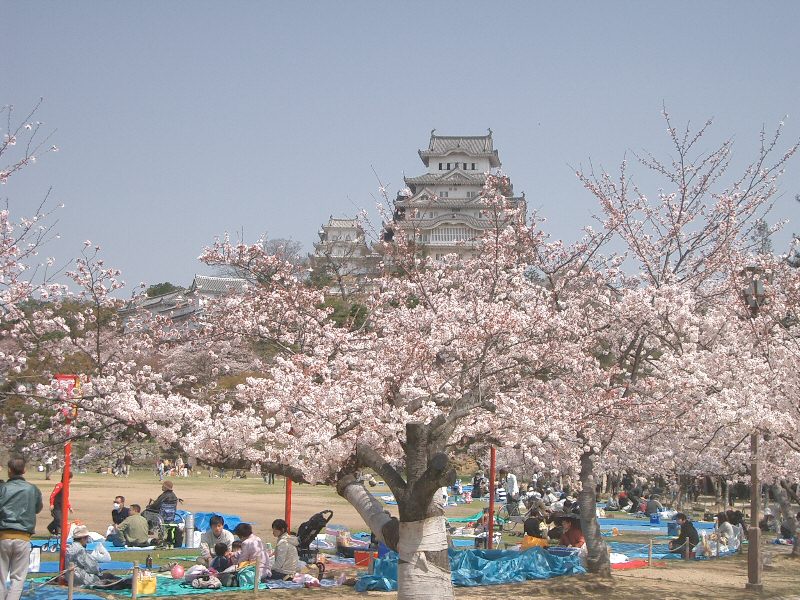
Hanami花見
The Japanese tradition of gathering to enjoy cherry blossoms in spring
🇯🇵 Japan and 7 more · Custom, Jan to May
Decoration
Hanami花見
The Japanese tradition of gathering to enjoy cherry blossoms in spring
🇯🇵 Japan and 7 more · Custom, Jan to May
 Decoration
Sōgetsu草月流
A modern school of Japanese ikebana open to all materials and styles
🇯🇵 Japan · Arrangement
Decoration
Sōgetsu草月流
A modern school of Japanese ikebana open to all materials and styles
🇯🇵 Japan · Arrangement
More from France
All the flowers of France Decoration
Paisleyبته
A curved teardrop motif from Iran and India, now used worldwide on textiles
🇮🇷 Iran and 8 more · Art or design
Decoration
Paisleyبته
A curved teardrop motif from Iran and India, now used worldwide on textiles
🇮🇷 Iran and 8 more · Art or design
 Decoration
May devotions to the Blessed Virgin Mary
Month-long Catholic customs honouring Mary with flowers, altars, and processions
🇮🇹 Italy and 7 more · Custom, May
Decoration
May devotions to the Blessed Virgin Mary
Month-long Catholic customs honouring Mary with flowers, altars, and processions
🇮🇹 Italy and 7 more · Custom, May
 Decoration
May Day Festival
A spring festival with flowers, greenery, maypoles and bonfires on the first of May
🇮🇪 Ireland and 5 more · Custom, May
Decoration
May Day Festival
A spring festival with flowers, greenery, maypoles and bonfires on the first of May
🇮🇪 Ireland and 5 more · Custom, May
 Decoration
Corn dolly
Straw figures shaped for harvest customs across Europe
🇮🇪 Ireland and 3 more · Flower craft
Decoration
Corn dolly
Straw figures shaped for harvest customs across Europe
🇮🇪 Ireland and 3 more · Flower craft