
Hòn non bộ
In its own language: 𡉕𡽫部
Vietnamese miniature landscapes of mountains and islands in trays or basins
Hòn non bộ is a Vietnamese art form that creates small landscapes of mountains and islands, often set in water-filled containers. These displays can be simple or elaborate and have decorated homes, palaces, and temples in Vietnam for centuries.
- Miniature landscapes of mountains and islands in trays or basins
- Traditionally placed at home entrances, palaces, and temples
- Dates back to at least the 10th century in Vietnam
- Uses rocks, water, and plants like pines and sago palms
- Still seen in places like Huế and San Diego
What is Hòn non bộ?
Hòn non bộ are miniature landscapes arranged in trays or basins, designed to resemble natural scenes of islands and mountains surrounded by water. They may be small enough for a tabletop or large enough to fill a courtyard, and often include rocks, water, and carefully chosen plants. Some displays add small figurines, incense sticks, or poetic inscriptions. The arrangement is meant to be viewed from all sides, creating a three-dimensional scene.
Where does Hòn non bộ come from?
This art form has roots in Vietnam dating back to at least the 10th century, after the country’s independence. Early examples used stone basins, later replaced by stucco and concrete. Hòn non bộ was inspired by natural Vietnamese landscapes and shares similarities with Chinese penzai and Japanese bonsai, though it focuses on scenery rather than just trees. Historically, these landscapes were built for royalty, generals, and as temple monuments, and survived periods of destruction and rebuilding through Vietnam’s dynasties.
How Hòn non bộ is made
To create a Hòn non bộ, artists arrange rocks and plants in a container, often with water to evoke lakes or seas. The rocks represent mountains or islands, and the plants—such as sago palms, pines, or ficus—are chosen for their form and symbolism. The size can vary from small trays to large outdoor features. Sometimes, miniature figures or incense are added for decoration or ritual purposes.


When and where Hòn non bộ is used
Hòn non bộ has long been used to decorate the entrances of Vietnamese homes and the grounds of palaces and temples. They have served as personal vistas, cultural icons, and monuments to important figures. In temples, they sometimes commemorate kings or historical events. Today, they are still found in gardens and public spaces, and are displayed in places like the Imperial City of Huế and international exhibitions.
Forms of Hòn non bộ
There are different styles and scales of Hòn non bộ. Some focus on the mountains as the main feature, while others highlight a tree or group of plants. The tiểu cảnh style features a larger tree as the centerpiece. Plant choices have varied by social class: kings preferred pines and junipers, mandarins chose thuja and casuarina, and common people used plants like mallow and tamarind. The arrangement and size reflect the status and taste of the owner.
What Hòn non bộ means
Hòn non bộ is a symbol of Vietnamese appreciation for nature and landscape. It appears in literature, such as the epic Đoạn Trường Tân Thanh, and has been associated with scholars and fortune-tellers. The art form is tied to royal and religious traditions, and its presence in sacred enclosures reflects its cultural importance. Despite historical upheavals, it remains a respected and practiced art in Vietnam.
The flowers of Hòn non bộ

Questions people ask about Hòn non bộ
What is Hòn non bộ?
Hòn non bộ is a Vietnamese art form that creates miniature landscapes of mountains and islands, often arranged in trays or basins with rocks, water, and plants. It is meant to evoke natural scenery and can be simple or elaborate.
Where did Hòn non bộ originate?
Hòn non bộ originated in Vietnam, with records dating back to after the country's independence in the 10th century. It has been influenced by Chinese and Japanese miniature landscape arts but developed its own distinct style.
What materials are used in Hòn non bộ?
Artists use rocks to represent mountains or islands, water to suggest lakes or seas, and various plants such as sago palms, pines, junipers, ficus, and mallow. Containers can be made from stone, stucco, or concrete.
What does Hòn non bộ symbolize?
Hòn non bộ reflects Vietnamese reverence for nature and landscape. It has cultural significance as a symbol of status, memory, and artistry, and is often linked to royal, religious, and literary traditions.
Where can I see Hòn non bộ today?
You can find Hòn non bộ in Vietnamese gardens, temples, and palaces such as the Imperial City of Huế. There are also displays outside Vietnam, like in the Botanical Building in San Diego, California.
Good reading and sources
The facts on this page come from the Wikipedia article "Hòn non bộ", written by its contributors and used under the CC BY-SA 4.0 licence, and from its Wikidata record (CC0). Phool rewrote the text in its own words, with AI assistance, and compares every page with the article to make sure no passage is copied. It may be reused under the same CC BY-SA 4.0 licence with a link back.
It may contain mistakes. If something is wrong, tell us. Last refreshed 2026-10-03.
More of the same kind
 Decoration
Nageirebana抛入花
A free-form ikebana style using tall vases and no flower holders
Arrangement
Decoration
Nageirebana抛入花
A free-form ikebana style using tall vases and no flower holders
Arrangement
 Decoration
Tokonoma床の間
A Japanese alcove for displaying scrolls and flower arrangements
🇯🇵 Japan · Arrangement
Decoration
Tokonoma床の間
A Japanese alcove for displaying scrolls and flower arrangements
🇯🇵 Japan · Arrangement
 Decoration
Bouquet
A creative arrangement of flowers, given or displayed for many occasions
🇨🇳 China and 1 more · Arrangement
Decoration
Bouquet
A creative arrangement of flowers, given or displayed for many occasions
🇨🇳 China and 1 more · Arrangement
 Decoration
Sōgetsu草月流
A modern school of Japanese ikebana open to all materials and styles
🇯🇵 Japan · Arrangement
Decoration
Sōgetsu草月流
A modern school of Japanese ikebana open to all materials and styles
🇯🇵 Japan · Arrangement
More from Vietnam
All the flowers of Vietnam Decoration
Bonsai盆栽
The Japanese art of shaping miniature trees in shallow pots
🇯🇵 Japan and 7 more · Art or design
Decoration
Bonsai盆栽
The Japanese art of shaping miniature trees in shallow pots
🇯🇵 Japan and 7 more · Art or design
 Decoration
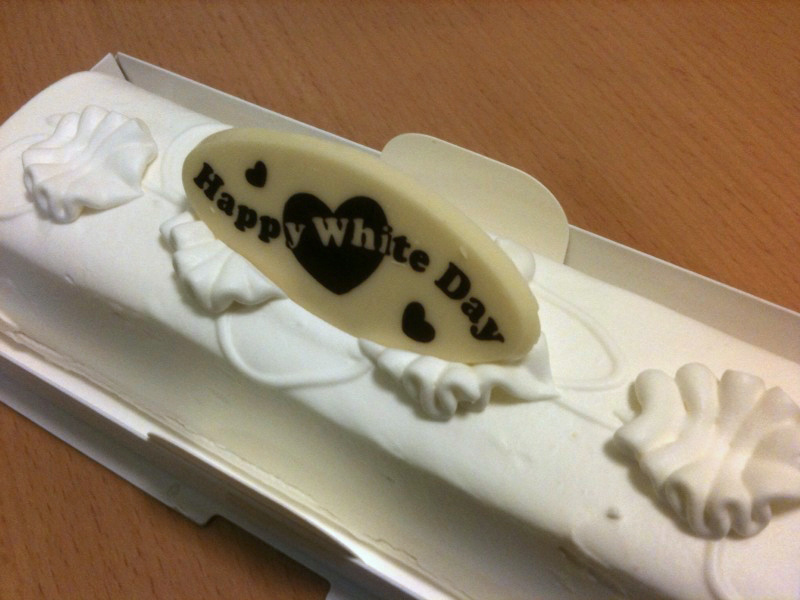
White Dayホワイトデー
March 14 gift-giving day in Japan and East Asia, one month after Valentine's Day
🇯🇵 Japan and 4 more · Custom, March
Decoration
White Dayホワイトデー
March 14 gift-giving day in Japan and East Asia, one month after Valentine's Day
🇯🇵 Japan and 4 more · Custom, March
 Decoration
Vesak
The Buddhist festival marking the Buddha’s birth, enlightenment, and passing
🇱🇰 Sri Lanka and 7 more · Custom, Apr to Jun
Decoration
Vesak
The Buddhist festival marking the Buddha’s birth, enlightenment, and passing
🇱🇰 Sri Lanka and 7 more · Custom, Apr to Jun
 Decoration
Qingming Festival清明节
The Chinese spring festival for honoring ancestors with tomb sweeping and offerings
🇨🇳 China and 7 more · Custom, April
Decoration
Qingming Festival清明节
The Chinese spring festival for honoring ancestors with tomb sweeping and offerings
🇨🇳 China and 7 more · Custom, April