
Tulip mania
In its own language: tulpenmanie
The 17th-century Dutch craze for rare tulip bulbs and the world's first market bubble
Tulip mania was a period in the Dutch Republic during the 1630s when prices for rare tulip bulbs soared to extraordinary heights before suddenly collapsing. This event is often described as the first recorded speculative bubble, with some bulbs selling for more than ten times a skilled worker’s yearly wage. The mania centred on unique tulip varieties prized for their striking colours and patterns.
- At its peak, a single tulip bulb sold for more than 10 times a skilled worker’s annual wage.
- The mania centred on rare tulip varieties with vivid, multicoloured petals.
- Tulip mania ended suddenly in February 1637 when prices collapsed.
- The term 'tulip mania' is now used for any economic bubble.
- Tulips became a symbol of wealth and taste in 17th-century Dutch society.
What is Tulip mania?
Tulip mania was not a decoration itself, but a period when tulip bulbs became luxury items in the Dutch Republic. Tulips were admired for their vivid, saturated petal colours and unusual patterns, especially the multicoloured streaks caused by a mosaic virus. Rare bulbs, such as the Semper Augustus, were especially prized. Tulips were displayed in vases, bouquets, and in gardens, and their image often appeared in Dutch still-life paintings.
Where does Tulip mania come from?
Tulip mania took place in the Dutch Republic from 1634 to February 1637. Tulips had arrived in Europe from the Ottoman Empire in the 16th century, spreading from Vienna to the Netherlands. Botanist Carolus Clusius helped popularise them by planting them in Leiden in the 1590s. Their unique appearance and the rise of Dutch trade made tulips a status symbol. The mania grew as rare, virus-affected bulbs with striking patterns became highly sought after, leading to a speculative market.
How Tulip mania is made
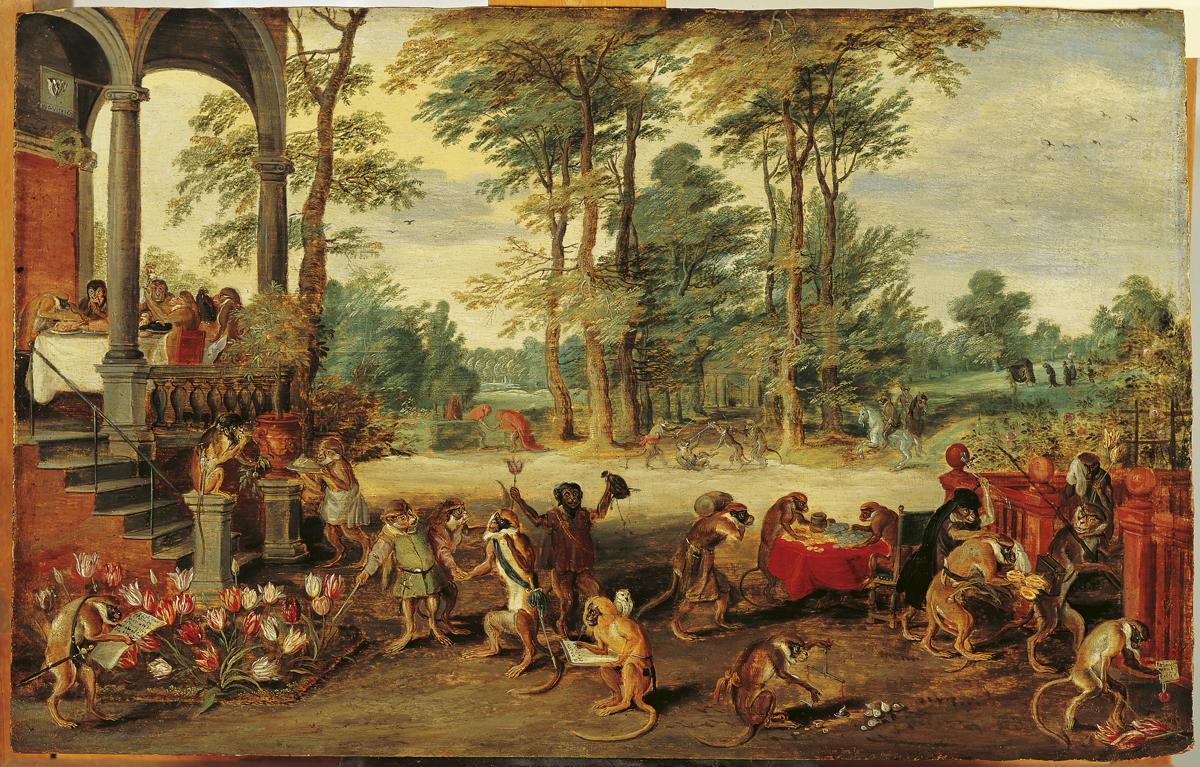
During the mania, tulip bulbs were traded as contracts, often without the actual bulbs changing hands. The flowers bloomed in April and May, but most trading took place when bulbs were dormant, from June to September. Buyers and sellers met in taverns to arrange forward contracts, paying fees but rarely exchanging the bulbs themselves. The most valuable bulbs were those with rare colours and patterns.


When and where Tulip mania is used
Tulips were used as luxury gifts, home decorations, and status symbols during the mania. Wealthy collectors displayed them in gardens and vases, and their images appeared in art. The bulbs themselves became objects of speculation, with contracts traded among merchants and speculators. After the collapse, tulips continued to be grown and admired in Dutch gardens.
Forms of Tulip mania
Tulips were classified into groups based on colour and pattern: single-hued (Couleren), multicoloured Rosen (white streaks on red or pink), Violetten (white streaks on purple or lilac), and Bizarden (yellow or white streaks on red, brown, or purple). The most famous variety was Semper Augustus, known for its white petals with carmine flames. Many varieties from the period have since disappeared.
What Tulip mania means
Tulip mania is remembered as the first major speculative bubble and is often cited as a warning about market excess. The term is now used for any economic bubble. Tulips became a symbol of wealth and taste in the Dutch Golden Age, appearing in art and literature. The episode had little lasting impact on the Dutch economy, but it left a mark on cultural history.
The flowers of Tulip mania


Traditions that use it
Questions people ask about Tulip mania
What was tulip mania?
Tulip mania was a period in the 1630s Dutch Republic when prices for rare tulip bulbs rose dramatically, creating the first recorded speculative bubble. The market collapsed suddenly in 1637.
Where did tulip mania take place?
It took place in the Dutch Republic, mainly in cities like Amsterdam, Haarlem, and Leiden, during the Dutch Golden Age.
Why were tulip bulbs so valuable?
Certain tulip bulbs developed striking patterns and colours due to a mosaic virus, making them rare and highly desirable as luxury items and status symbols.
What does tulip mania symbolise today?
Tulip mania is often used as a metaphor for economic bubbles, where asset prices rise far above their real value and then collapse.
What happened after the bubble burst?
After prices collapsed in 1637, many contracts were never honoured, but the Dutch economy remained strong and tulips continued to be grown and appreciated.
Good reading and sources
- Encyclopaedia BritannicaArticle
- There Never Was a Real Tulip FeverSmithsonian Magazine, Article
- Bitcoin hype worse thanThe Guardian, Article
- Was Tulip Mania really the first great financial bubble?BBC, Article
The facts on this page come from the Wikipedia article "Tulip mania", written by its contributors and used under the CC BY-SA 4.0 licence, and from its Wikidata record (CC0). Phool rewrote the text in its own words, with AI assistance, and compares every page with the article to make sure no passage is copied. It may be reused under the same CC BY-SA 4.0 licence with a link back.
It may contain mistakes. If something is wrong, tell us. Last refreshed 2026-10-03.
More of the same kind
 Decoration
Bonsai盆栽
The Japanese art of shaping miniature trees in shallow pots
🇯🇵 Japan and 7 more · Art or design
Decoration
Bonsai盆栽
The Japanese art of shaping miniature trees in shallow pots
🇯🇵 Japan and 7 more · Art or design
 Decoration
Tokonoma床の間
A Japanese alcove for displaying scrolls and flower arrangements
🇯🇵 Japan · Arrangement
Decoration
Tokonoma床の間
A Japanese alcove for displaying scrolls and flower arrangements
🇯🇵 Japan · Arrangement
 Decoration
Hanami花見
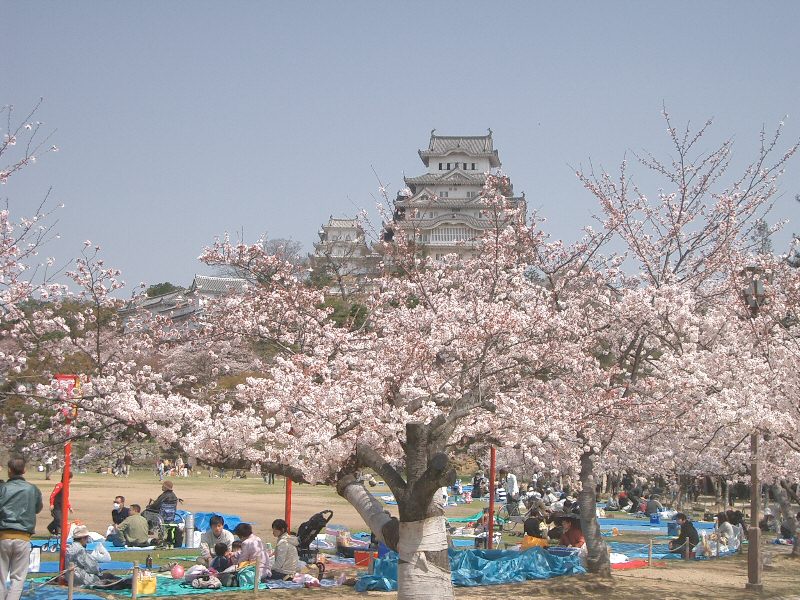
The Japanese tradition of gathering to enjoy cherry blossoms in spring
🇯🇵 Japan and 7 more · Custom, Jan to May
Decoration
Hanami花見
The Japanese tradition of gathering to enjoy cherry blossoms in spring
🇯🇵 Japan and 7 more · Custom, Jan to May
 Decoration
Sōgetsu草月流
A modern school of Japanese ikebana open to all materials and styles
🇯🇵 Japan · Arrangement
Decoration
Sōgetsu草月流
A modern school of Japanese ikebana open to all materials and styles
🇯🇵 Japan · Arrangement
More from the Netherlands
All the flowers of the Netherlands Decoration
Bloemencorso
Annual flower parades with decorated floats in the Netherlands and Belgium
🇳🇱 Netherlands and 1 more · Parade or display
Decoration
Bloemencorso
Annual flower parades with decorated floats in the Netherlands and Belgium
🇳🇱 Netherlands and 1 more · Parade or display
 Decoration
Floristry
The craft and trade of arranging and selling flowers
🇳🇱 Netherlands and 3 more · Arrangement
Decoration
Floristry
The craft and trade of arranging and selling flowers
🇳🇱 Netherlands and 3 more · Arrangement
 Decoration
Floral industry
The global trade and business of growing, selling, and arranging flowers
🇳🇱 Netherlands and 7 more · Custom
Decoration
Floral industry
The global trade and business of growing, selling, and arranging flowers
🇳🇱 Netherlands and 7 more · Custom
 Decoration
Zundert Flower Parade
A Dutch parade of giant dahlia-covered floats built by local volunteers
🇳🇱 Netherlands · Parade or display, September
Decoration
Zundert Flower Parade
A Dutch parade of giant dahlia-covered floats built by local volunteers
🇳🇱 Netherlands · Parade or display, September