
Water garden
A garden built around ponds and water-loving plants
A water garden centers on ponds or other water features, growing aquatic plants like water lilies, lotus, and marginal species such as iris and cattail. It may also include fish, fountains, or streams, and ranges from small backyard ponds to elaborate historic displays with moving water features.
- Uses three plant types: submerged, marginal, and floating
- Historic Italian gardens featured water-powered automata
- Some aquatic plants are banned in parts of the U.S.
- Green pond water signals excess nutrients, not dirt
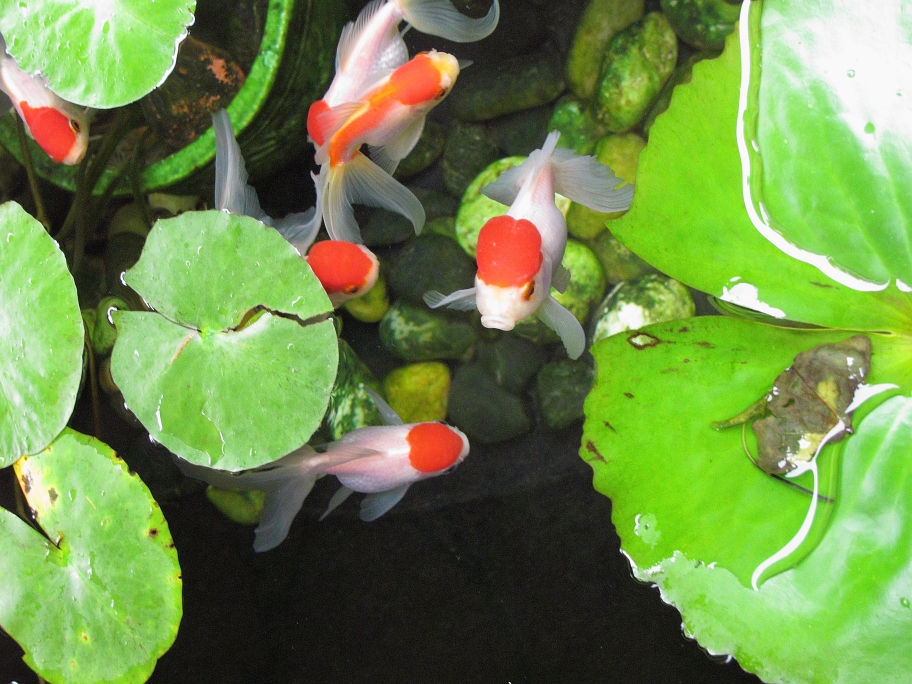
- Koi and goldfish are common but need oxygenated water
What is Water garden?
A water garden is designed around a pond or water feature as its main element. It typically holds aquatic plants, some rooted underwater, some at the edges, and others floating freely. Ornamental fish like koi or goldfish are often added, along with rocks, fountains, or small waterfalls for visual effect.
Where does Water garden come from?
Water gardens have existed since ancient Persian and Chinese landscapes, where they served both practical and decorative roles. In 16th-century Italy, they evolved into theatrical displays with mechanical figures powered by water, as seen at Villa d'Este in Tivoli and later at Hellbrunn Palace.
How Water garden is made
These gardens use shallow ponds, usually under 20 inches deep, suited to aquatic plants’ needs. Plants are often placed in baskets raised off the pond floor. Streams may be built with rocks to create movement and oxygenation. Modern versions recirculate water from hidden reservoirs instead of drawing from natural sources.



When and where Water garden is used
People create water gardens for home decoration, wildlife support, or ornamental display. They appear in private yards and public parks. In some regions, certain plants or fish used in them are restricted because they can become invasive if released into local ecosystems.
Forms of Water garden
Some water gardens focus on specific plants, like water lilies or lotus. Others include bog areas for moisture-loving species. Historic European versions featured automated water tricks, while contemporary ones may prioritize ecological balance or low-maintenance design.
What Water garden means
Water gardens reflect a long tradition of blending nature and engineering. They symbolize harmony between water, plants, and architecture. In modern times, they’re valued for supporting biodiversity, though care is needed to avoid introducing non-native species that threaten local environments.
The flowers of Water garden
 Sacred lotusThe pink aquatic flower sacred in Asia and grown for food, worship and beauty
 WaterlilyFloating aquatic flowers found in ponds and lakes worldwide
 IrisA large group of perennial flowers with striking, six-lobed blooms
 LotusAquatic plants with large, round leaves and striking flowers called lotusIris damascenaA rare white and purple iris found only on a Syrian mountain
 Coastal IrisA dark-flowered iris native to Israel’s coastal plainsGerman irisA tall, rhizome-rooted iris with showy bearded blooms in many colours
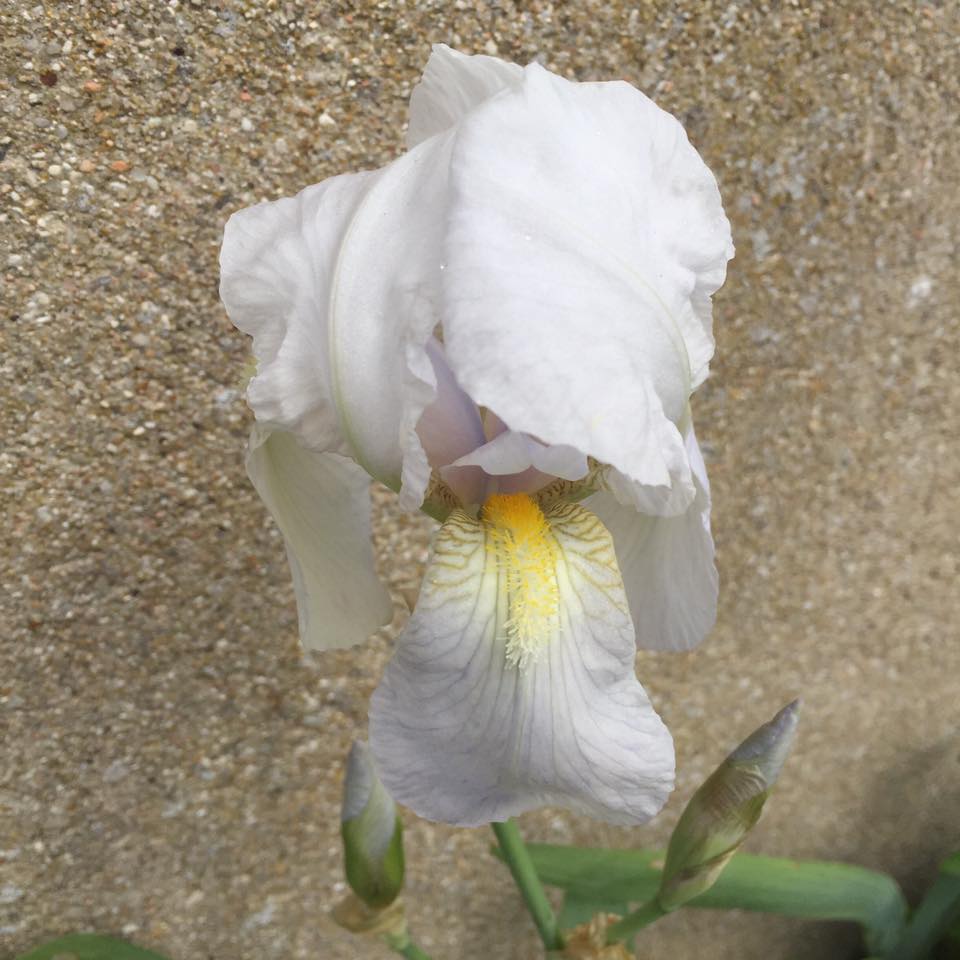 Iris florentinaA white, violet-scented iris grown for orris root and as a grave flower
Questions people ask about Water garden
What is a water garden?
It’s a garden where a pond or water feature is the central element, planted with aquatic species and sometimes stocked with ornamental fish like koi or goldfish.
Where did water gardens originate?
They date back to ancient Persian and Chinese gardens. Elaborate versions with mechanical water features appeared in 16th-century Italy, like at Villa d'Este in Tivoli.
What plants grow in water gardens?
They include submerged plants like hornwort, marginals like iris and cattail, and floaters like water lettuce and water hyacinth, though some floaters are restricted in the U.S.
Why does pond water turn green?
Green water comes from free-floating algae caused by too many nutrients, often from decaying plants or too many fish. Adding more plants can help absorb the excess.
Are water gardens good for wildlife?
Yes, they attract frogs, insects, birds, and snails. But non-native fish or plants should not be released into wild waterways, as they can become invasive pests.
Good reading and sources
The facts on this page come from the Wikipedia article "Water garden", written by its contributors and used under the CC BY-SA 4.0 licence, and from its Wikidata record (CC0). Phool rewrote the text in its own words, with AI assistance, and compares every page with the article to make sure no passage is copied. It may be reused under the same CC BY-SA 4.0 licence with a link back.
It may contain mistakes. If something is wrong, tell us. Last refreshed 2026-10-03.
More of the same kind
 Decoration
Korean garden
A natural garden style shaped by rocks, ponds, and harmony with the land
🇰🇷 South Korea and 5 more · Garden style
Decoration
Korean garden
A natural garden style shaped by rocks, ponds, and harmony with the land
🇰🇷 South Korea and 5 more · Garden style
 Decoration
Islamic garden
A walled garden of water, shade and scent inspired by paradise
🇮🇷 Iran and 5 more · Garden style
Decoration
Islamic garden
A walled garden of water, shade and scent inspired by paradise
🇮🇷 Iran and 5 more · Garden style
 Decoration
Mughal garden
A formal garden style of pools, canals, and symmetry from the Mughal era
🇮🇳 India and 3 more · Garden style
Decoration
Mughal garden
A formal garden style of pools, canals, and symmetry from the Mughal era
🇮🇳 India and 3 more · Garden style
 Decoration
Bonsai盆栽
The Japanese art of shaping miniature trees in shallow pots
🇯🇵 Japan and 7 more · Art or design
Decoration
Bonsai盆栽
The Japanese art of shaping miniature trees in shallow pots
🇯🇵 Japan and 7 more · Art or design
More from Italy
All the flowers of Italy Decoration
Hanami花見
The Japanese tradition of gathering to enjoy cherry blossoms in spring
🇯🇵 Japan and 7 more · Custom, Jan to May
Decoration
Hanami花見
The Japanese tradition of gathering to enjoy cherry blossoms in spring
🇯🇵 Japan and 7 more · Custom, Jan to May
 Decoration
May Day Festival
A spring festival with flowers, greenery, maypoles and bonfires on the first of May
🇮🇪 Ireland and 5 more · Custom, May
Decoration
May Day Festival
A spring festival with flowers, greenery, maypoles and bonfires on the first of May
🇮🇪 Ireland and 5 more · Custom, May
 Decoration
May devotions to the Blessed Virgin Mary
Month-long Catholic customs honouring Mary with flowers, altars, and processions
🇮🇹 Italy and 7 more · Custom, May
Decoration
May devotions to the Blessed Virgin Mary
Month-long Catholic customs honouring Mary with flowers, altars, and processions
🇮🇹 Italy and 7 more · Custom, May
 Decoration
Arabesque
A rhythmic pattern of scrolling foliage and lines in Islamic and European art
🇪🇬 Egypt and 3 more · Art or design
Decoration
Arabesque
A rhythmic pattern of scrolling foliage and lines in Islamic and European art
🇪🇬 Egypt and 3 more · Art or design